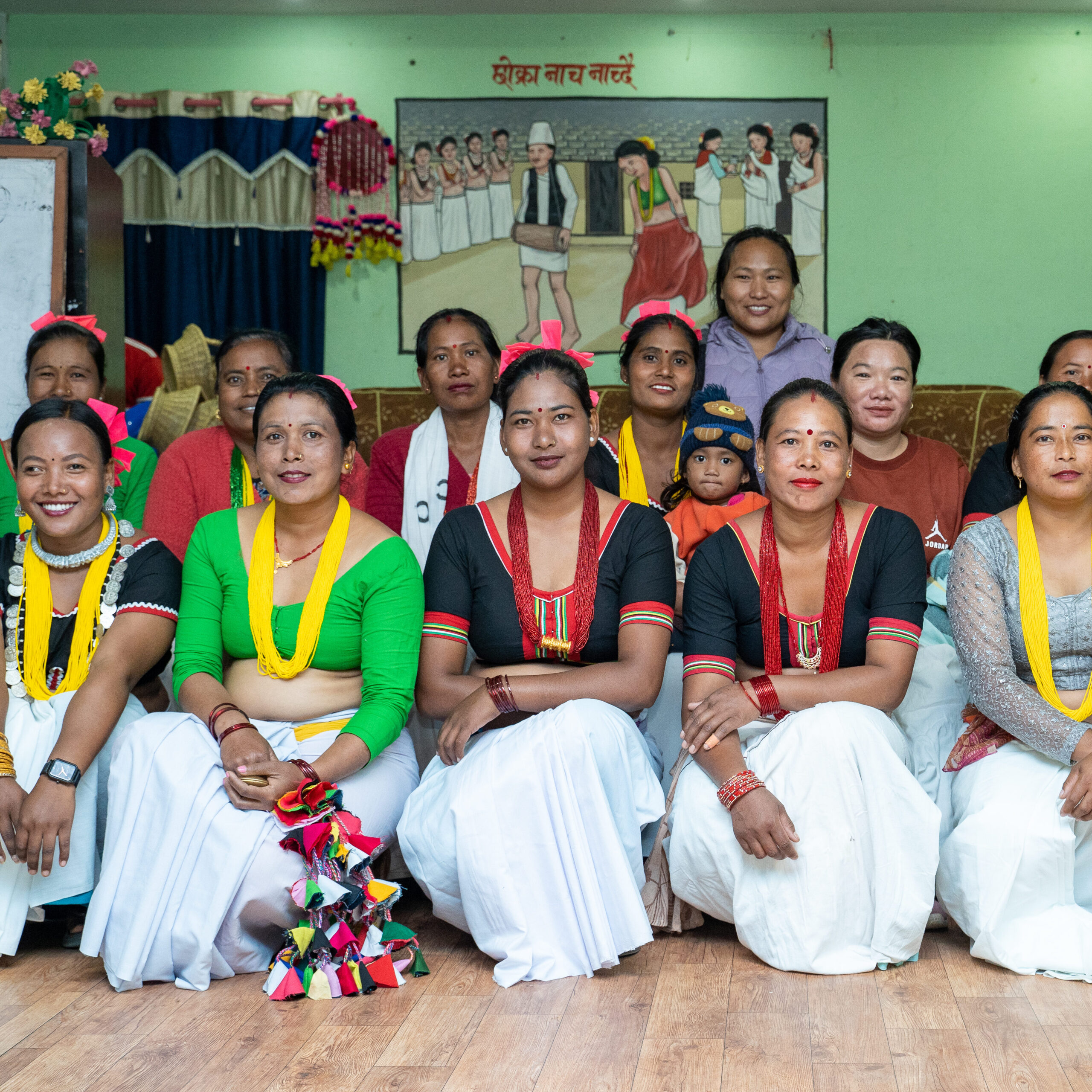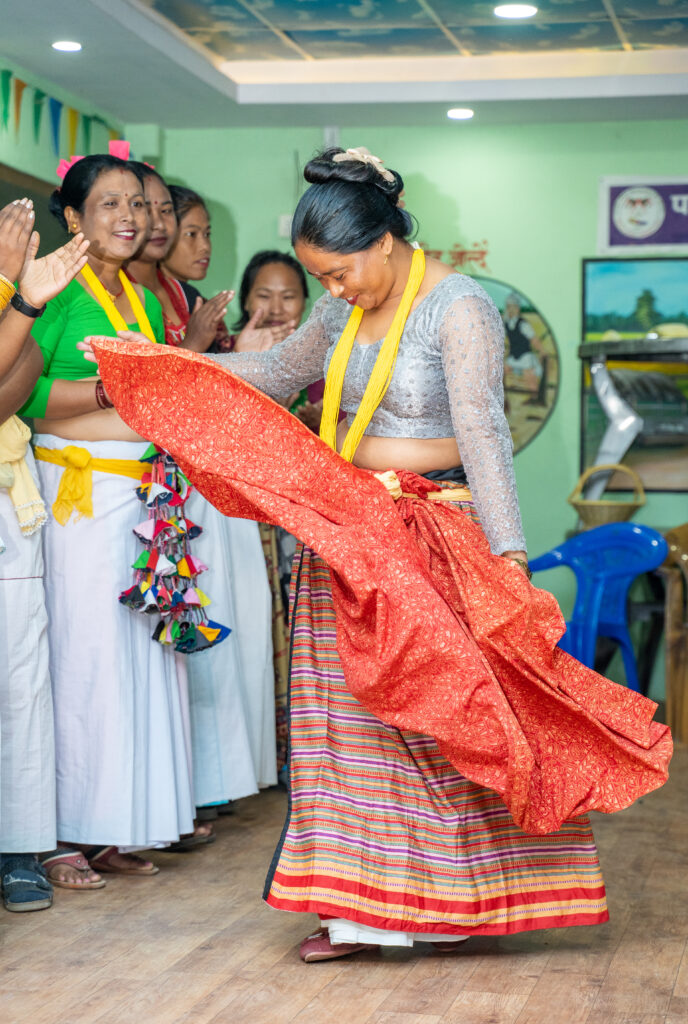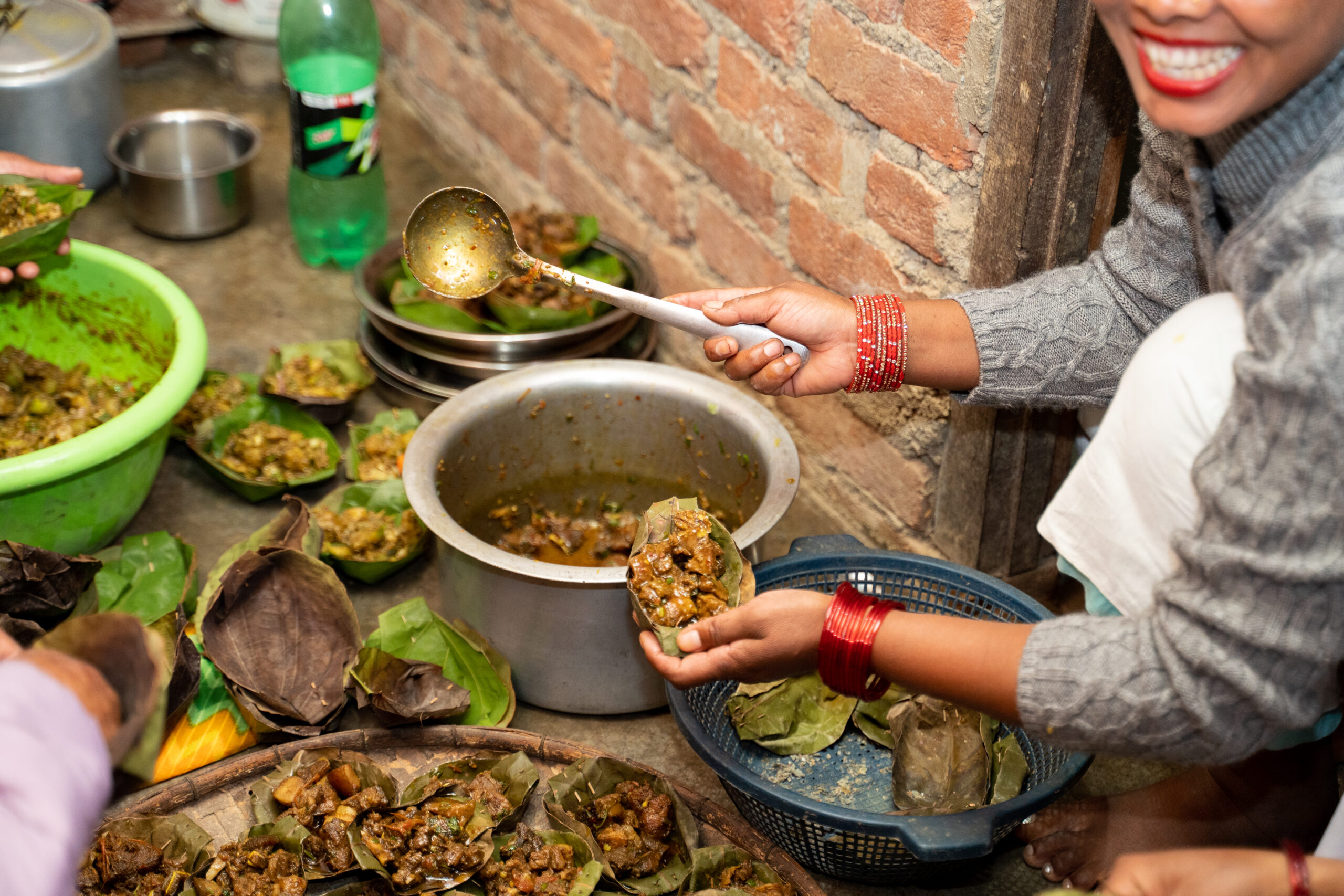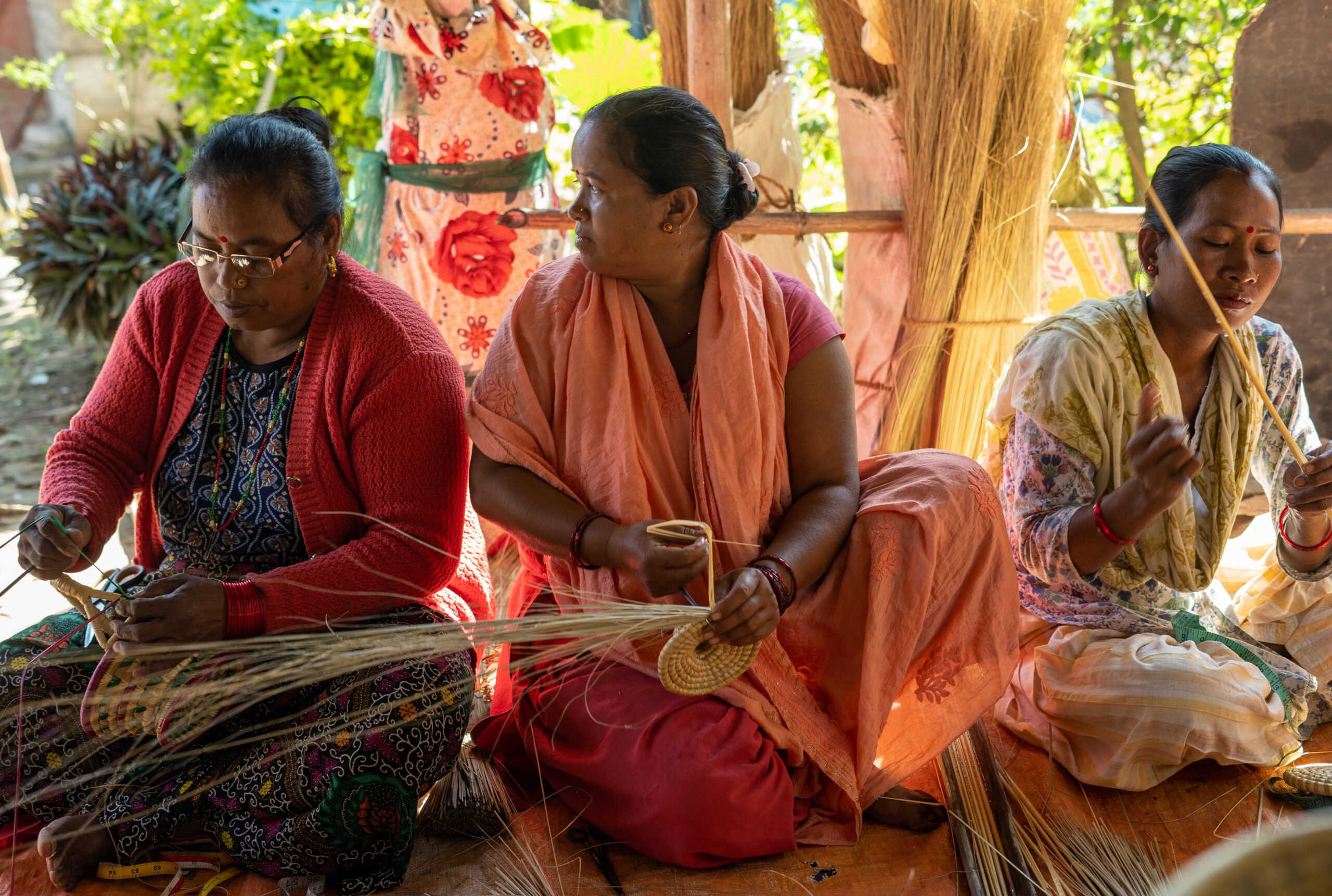
In this reality, flexible and direct support from FIMI becomes essential. By investing in Indigenous-led organizing, FIMI strengthens community structures, protects the dignity of Indigenous Women, and enables them to claim their individual and collective rights. This support also brings CEDAW and General Recommendation 39 closer to the grassroots, offering a recognized and binding framework to name the discrimination they live and to demand accountability from the State
GR39 plays a transformative role, as it validates the specific experiences of Indigenous Women and girls—including those with disabilities—and offers communities a clear language to describe what they have long endured.
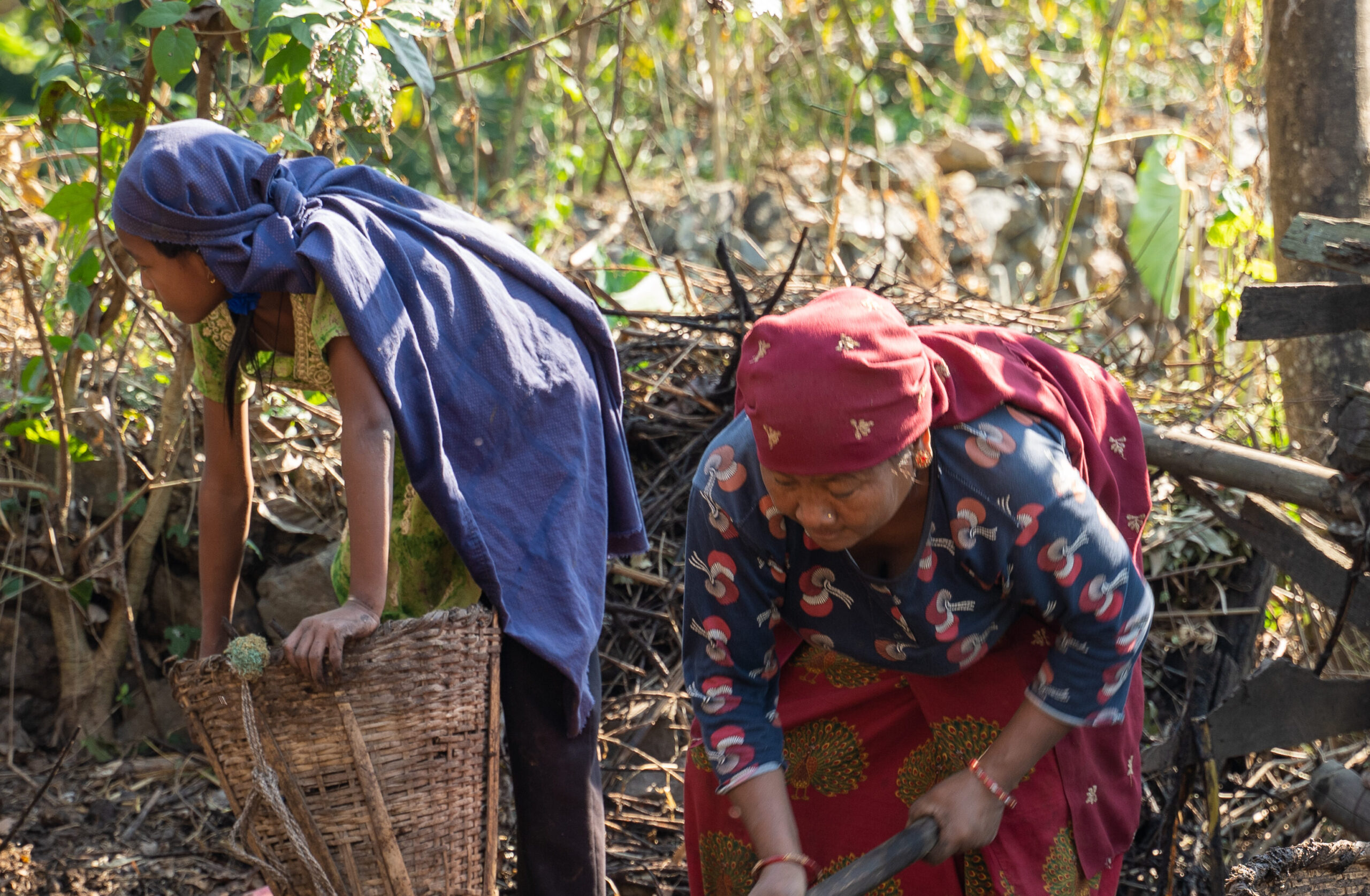
Within this broader landscape, Dr. Pratima Gurung, an Indigenous scholar and disability rights advocate, co-founded the National Indigenous Disabled Women Association Nepal (NIDWAN). As a grassroots organization rooted in lived experience and trusted by communities, NIDWAN advances the rights of IWWDs with courage and clarity. Because of this leadership, FIMI works closely with NIDWAN to strengthen local capacities and promote the implementation of GR39 across Nepal.
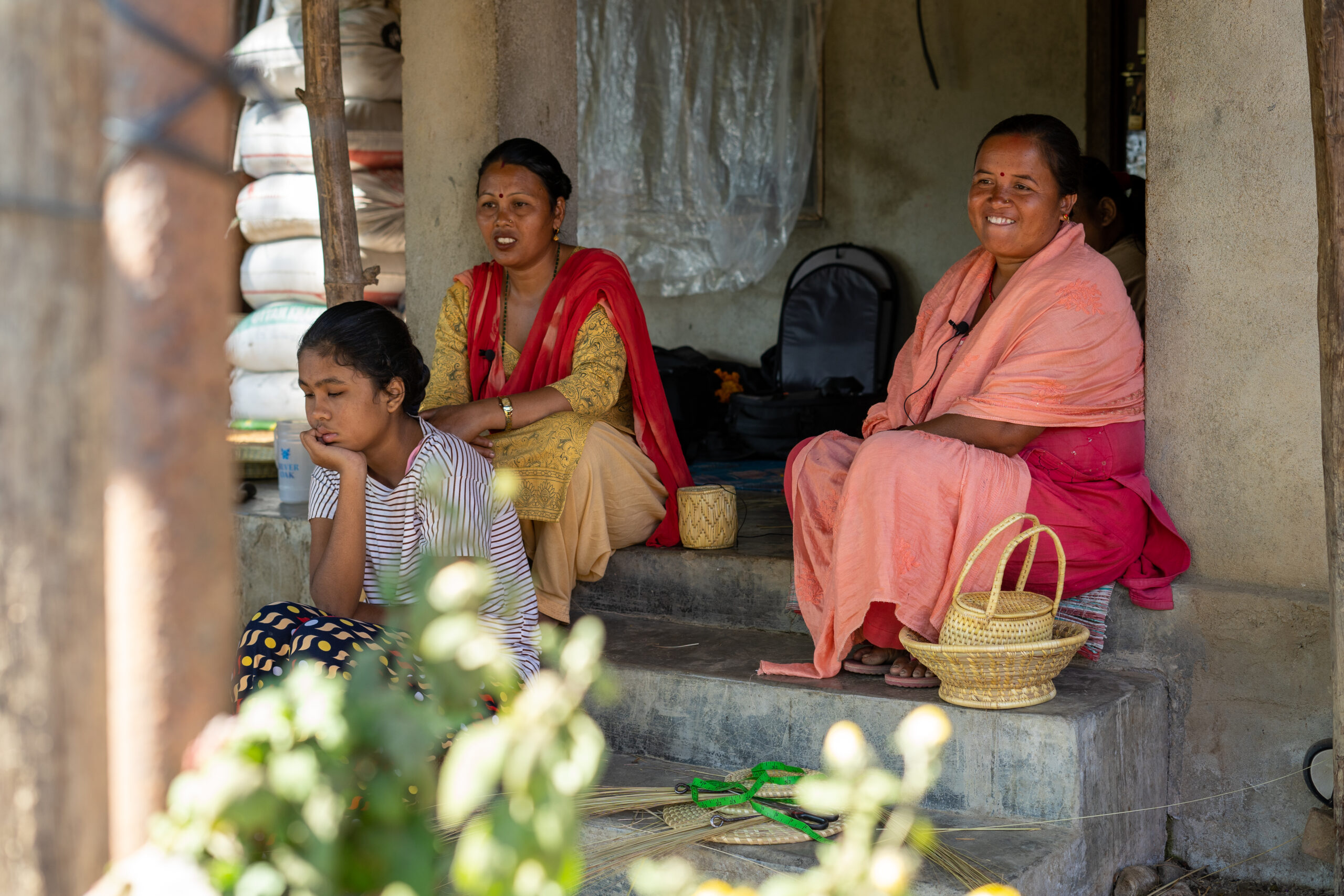

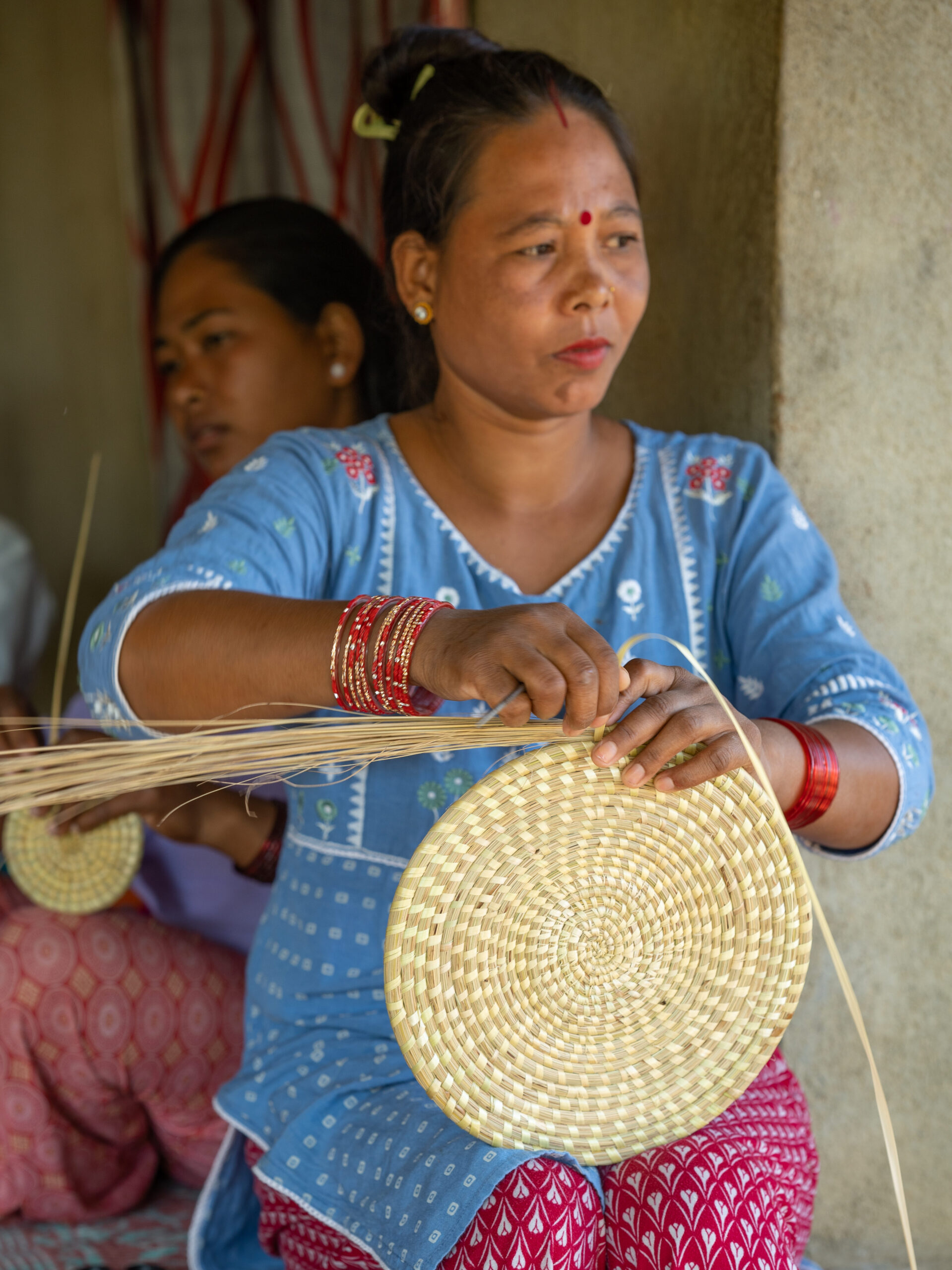

In Nepal, caste and gender carve invisible borders long before a girl learns to speak. These borders decide who may walk freely, who must lower their gaze, and who is reminded—daily—that dignity is a privilege reserved for a few. In a society marked by deep religiosity and low literacy levels, disability is not only misunderstood; it is feared, silenced, and hidden. For Indigenous Women with Disabilities (IWWDs), these forces collide like heavy stones, forming layers of exclusion that begin at home and follow them into every public space.
NIDWAN’s founders know this world not from theory but from memory.
NIDWAN set its goals and vision not only based on broader objectives but also rooted in our own lived experiences.
says Jamuna Tamang —Founding member and Current President at NIDWAN—
Their lived experience—painful, silenced, sometimes survived against all odds—became the backbone of an organization determined to confront a reality few wanted to name. And in this journey, FIMI’s support arrived not as charity, but as recognition: a commitment to amplify a struggle that was already on going, to place resources where courage had long preceded funding.
As a child in a special needs school, Jamuna saw how her disability shaped the limits imposed upon her. Yet it was her Indigenous identity—quiet but unyielding—that narrowed those limits even further, shutting doors that opened easily for children from elite castes.
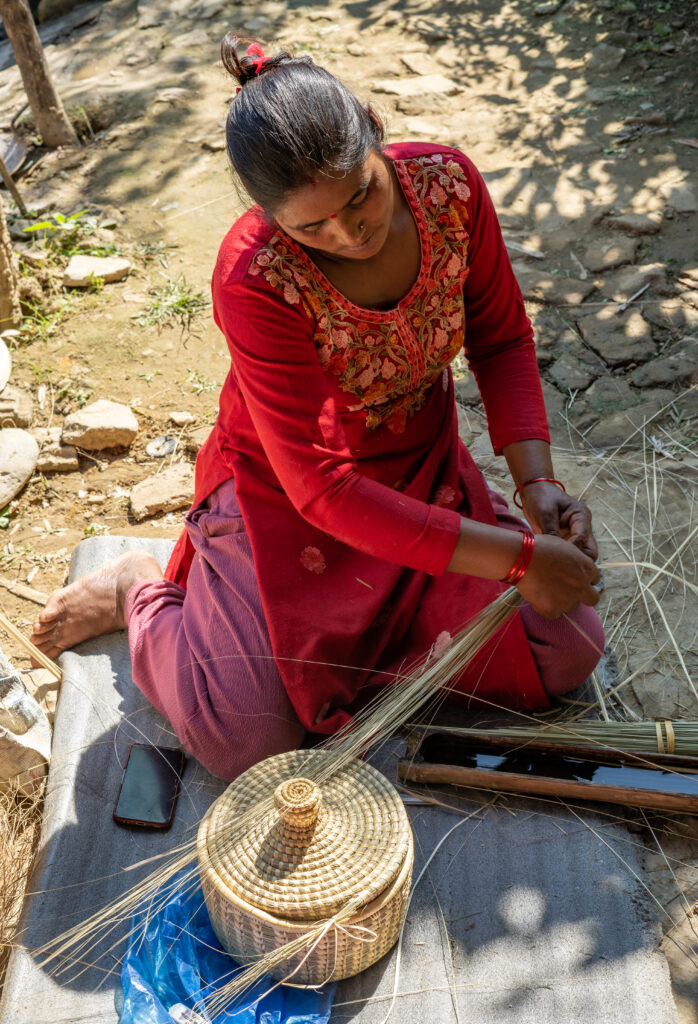
Across the country, Pratima Gurung confronted similar barriers. Even as an activist, she found women’s and disability forums unwilling to speak honestly about intersectionality.
“We reflected on two things,” she says. “What has our lived experience taught us? And how can we bring our voices together collectively? Hence, we started from individual experience and research to collective and institutional voice.”
As NIDWAN traveled through villages and temporary shelters, the truth became unavoidable: physical and mental disabilities made Indigenous girls vulnerable to predatory behavior, but it was their Indigenous identity that was often weaponized to justify the violence inflicted upon them.
The state of IWWDs in Nepal is truly terrible. In remote parts of the country, IWWDs are tied up to their homes… Sexual abuse is rampant. Some have even been told they deserve to be raped because they belong to a lower Indigenous caste.
Jamuna names the violence without hesitation
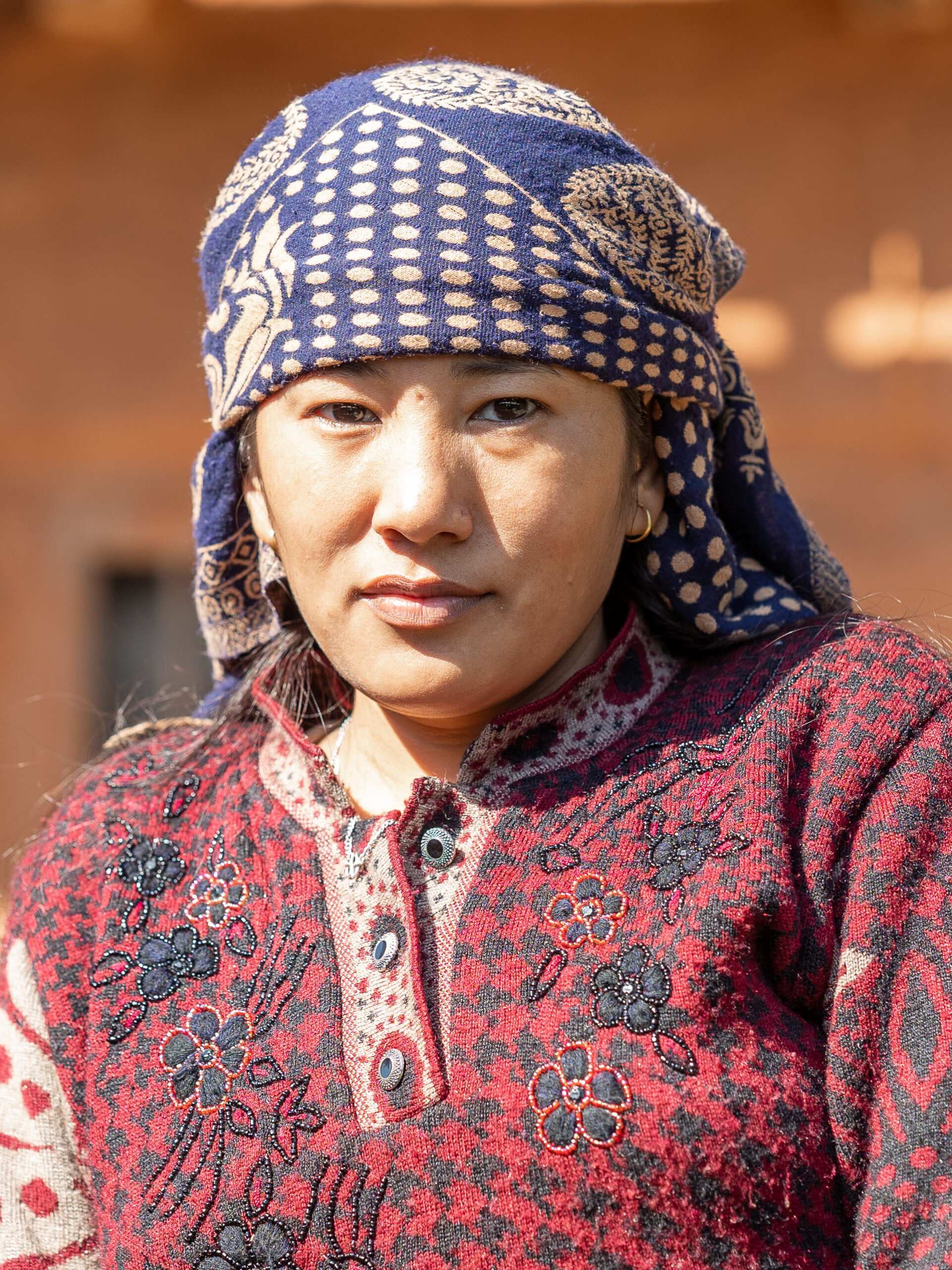
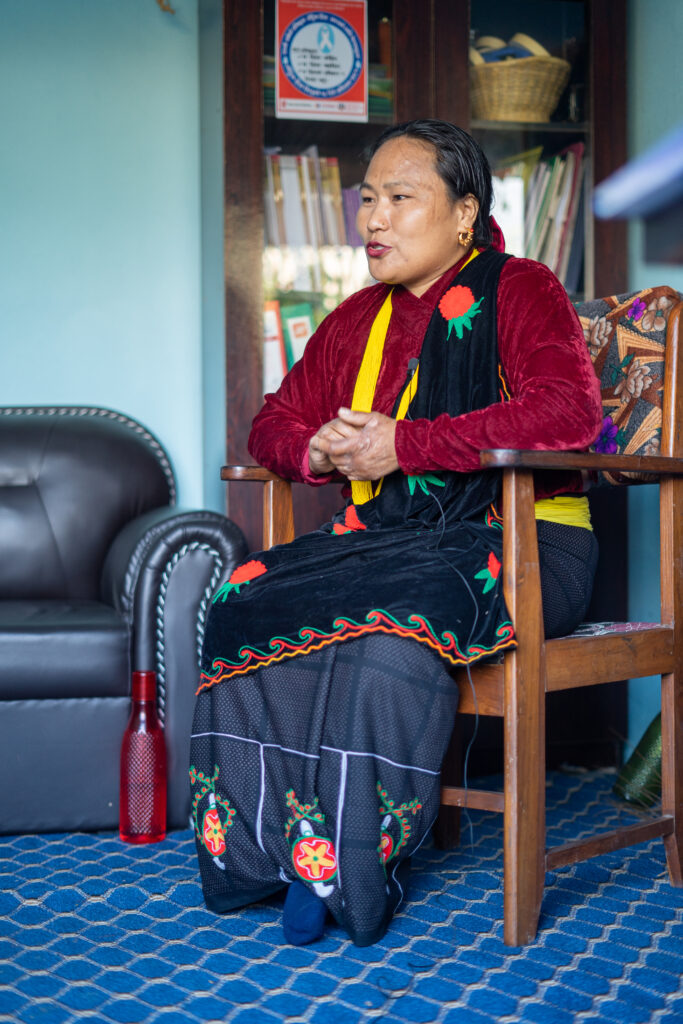
When a society treats violence as destiny, awareness becomes a political act.
NIDWAN began building spaces for critical conversations long before “intersectionality” became familiar language in Nepal. They reframed community fears into human rights claims and helped families understand that their daughters were entitled to the State benefits they had never received.
It was in this urgent landscape that CEDAW and General Recommendation 39 arrived—not as distant international documents, but as tools with the power to name what had been endured in silence. And it was FIMI’s strategic financing that allowed NIDWAN to bring these instruments down from the shelves of experts to the hands of the women who needed them most.
Before CEDAW, we didn’t know there was an international agreement that defended our rights. Now we know we are part of a larger movement.
Recalls Ratna Magar —Researcher and staff member at NIDWAN—
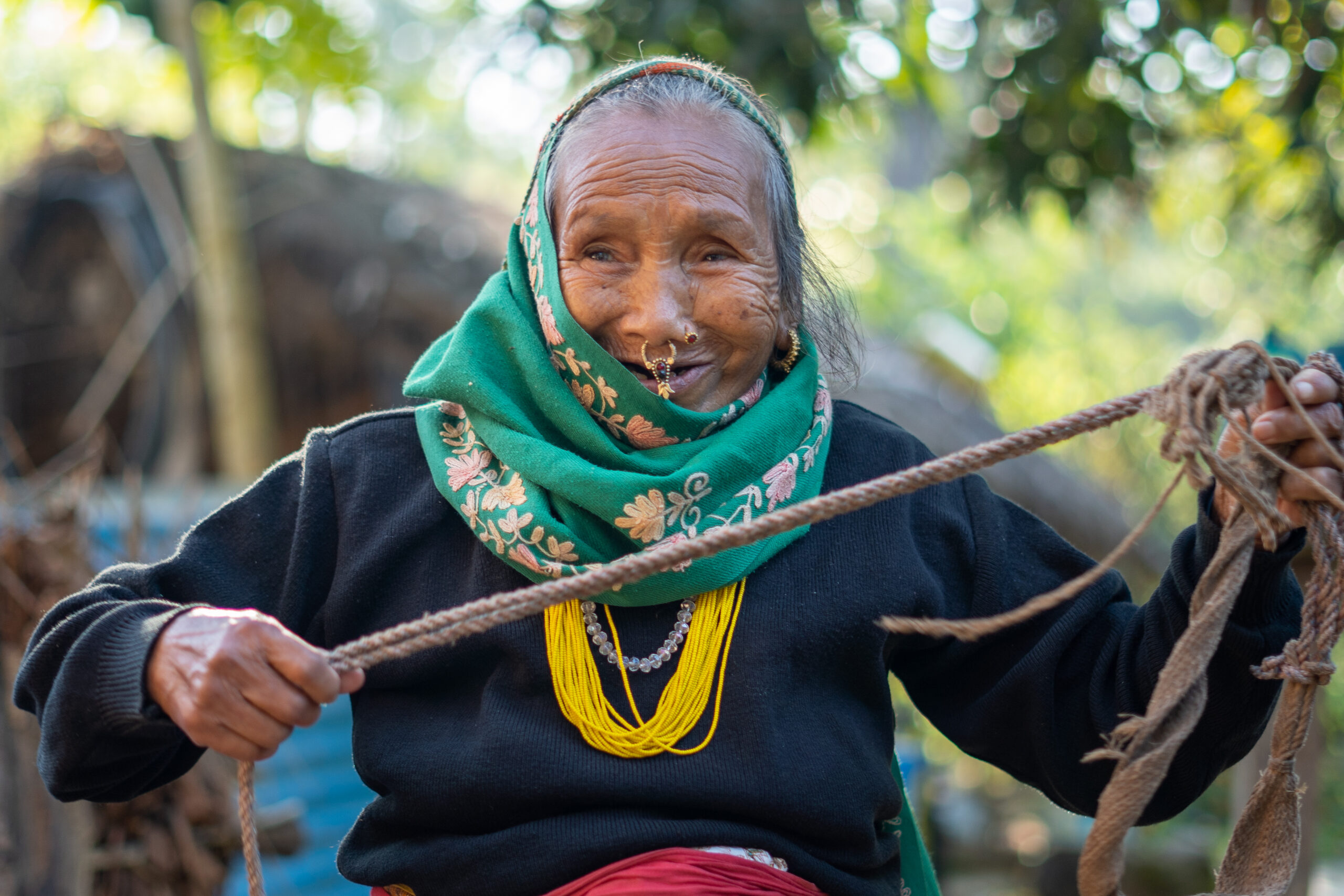
NIDWAN translated that movement into something accessible: Braille, simplified Nepali, audio-video formats with sign language. GR39 became evidence—binding, undeniable—which strengthened trust in the information and gave communities the vocabulary to describe what had long been invisibilized.
But the true transformation began when NIDWAN focused not only on awareness, but on leadership—an effort made possible and sustainable thanks to FIMI’s continued investment in Indigenous-led work. “When establishing NIDWAN,” Jamuna says, “we wanted to train a new generation of IWWDs so the discrimination we endured would not be repeated.”
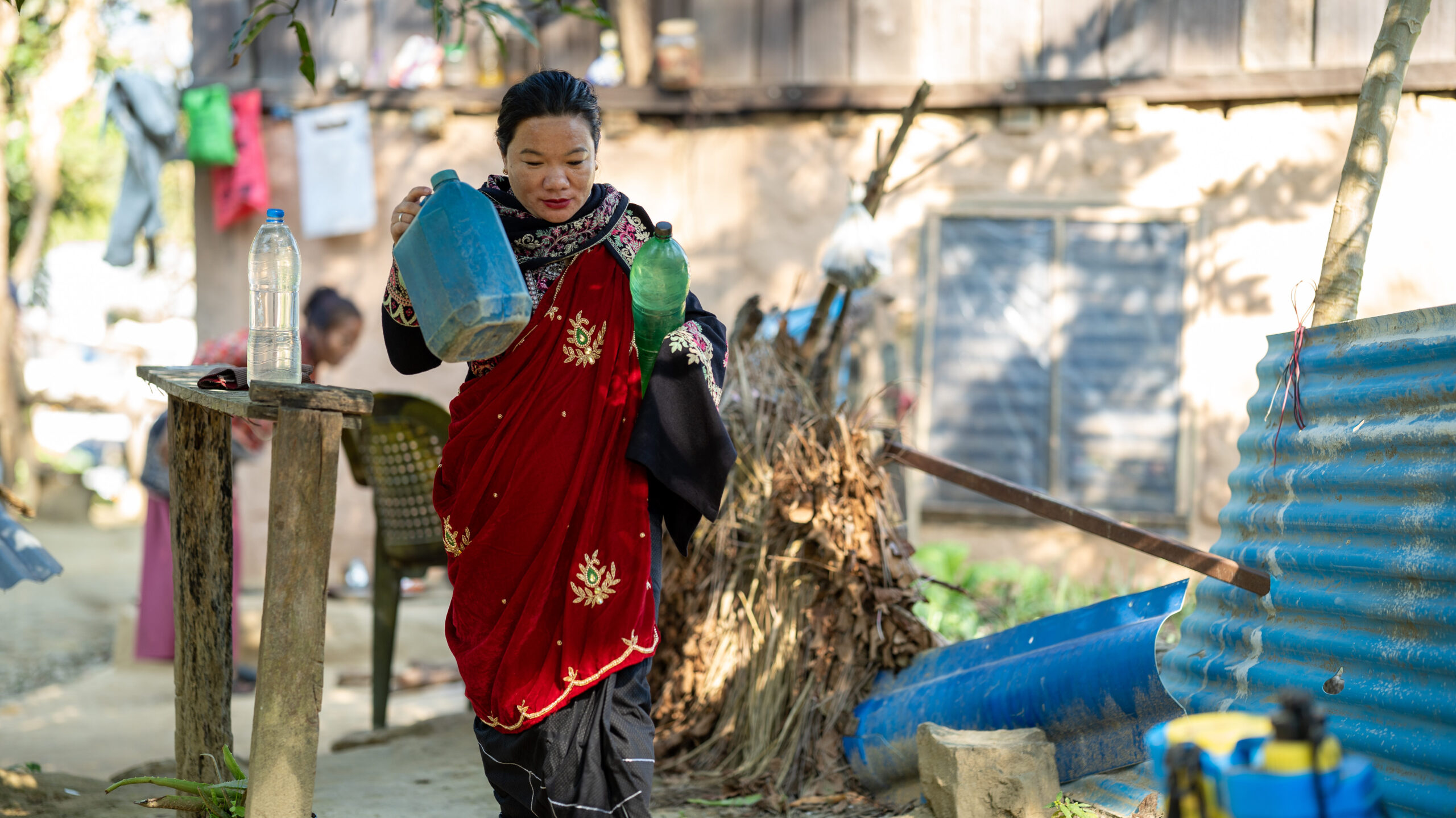
Ratna Rana took that mandate to remote districts, carrying stories, metaphors, and patience.
“To explain national and international law like CEDAW,” she says, “I used the example of natal and marital family. Everyone can relate.”
For women like Prathama Shrestha, Staff at KIDWAN,, the workshops were not just training—they were a rebirth.
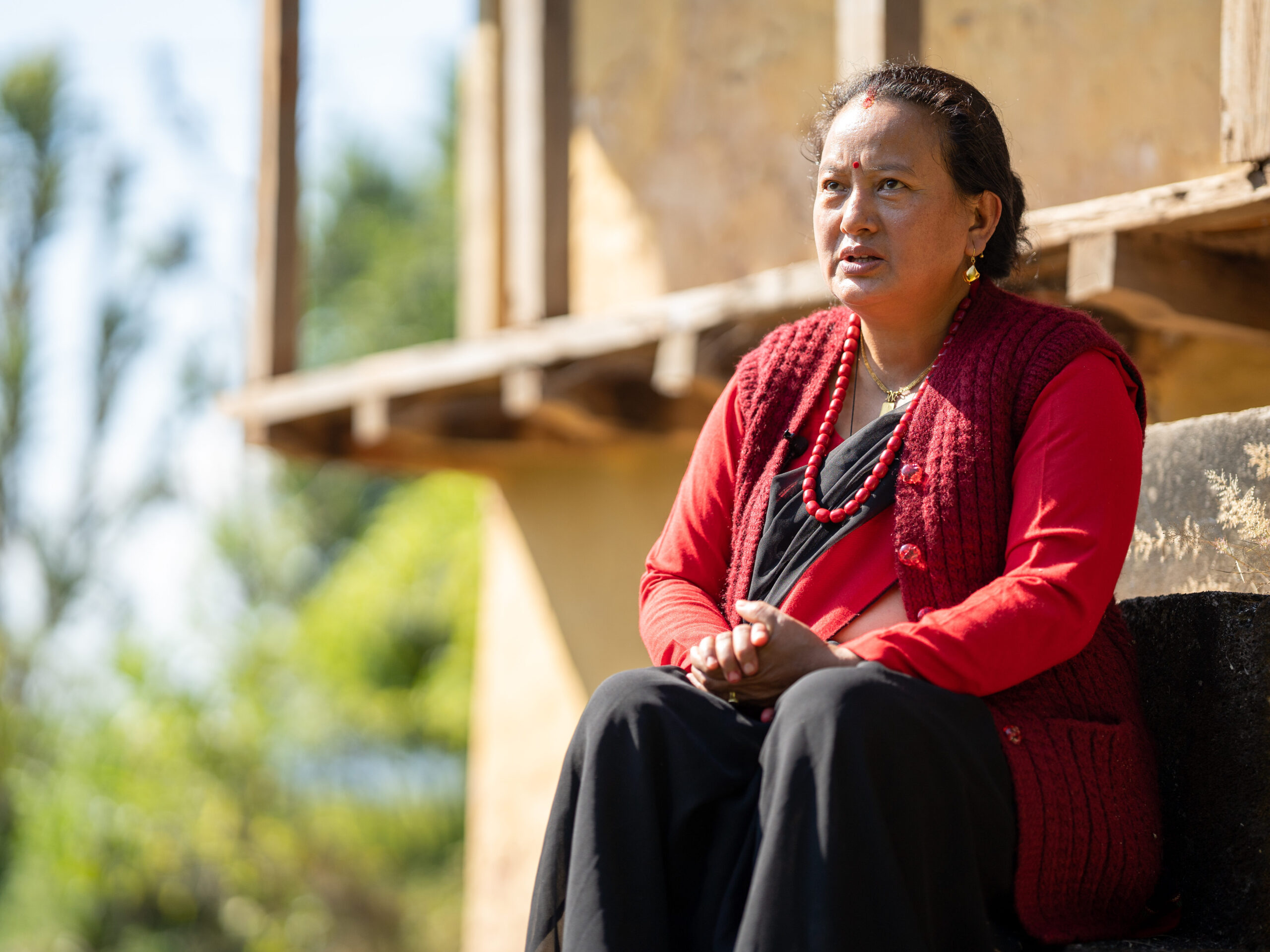
At first, I struggled to even introduce myself. Now I can speak to local leaders, give speeches, and stand my ground.
Prathama
Shrestha
And while Nepal still has a long road ahead to ensure dignity and equality for IWWDs, the impact of NIDWAN over the last decade is unmistakable. Through awareness-building and capacity-strengthening, they have stirred a profound national conversation about intersectionality—one that challenges deeply rooted beliefs about gender, indigeneity, and disability. They have helped IWWDs recognize their rights, their voice, and their power to step into public life.
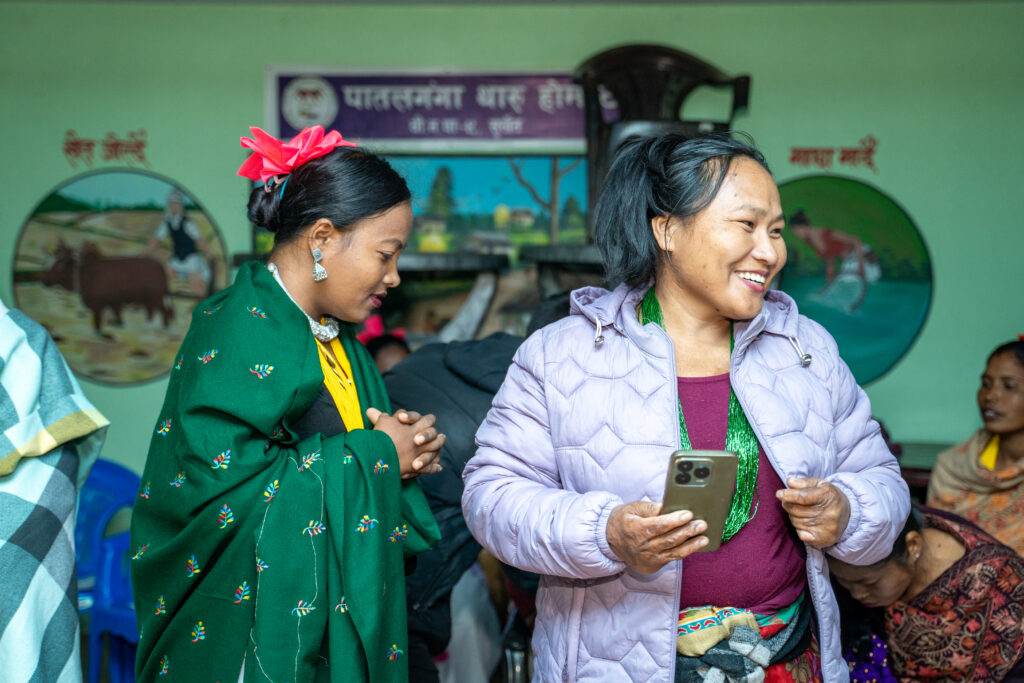
“We were able to make people understand the barriers faced by IWWDs,” a team member reflects, “and that understanding is a big achievement. IWWDs who were shunned are starting to step out of their homes, and that is a big impact.”
This transformation has also been fueled by FIMI’s role as a global ally, ensuring that the work of NIDWAN is not isolated, fragile, or short-lived. By investing in Indigenous-led leadership, FIMI has helped secure the continuity of trainings, the creation of safe learning spaces, and the emergence of grassroots organizations inspired by NIDWAN’s example.
The presence of IWWDs as leaders reshaped what communities believed possible. “People were pleasantly surprised that we were Indigenous and disabled like them,” says Tara. “It changed their idea of what an Indigenous person can and cannot do.”
But perhaps the greatest legacy of NIDWAN’s work—strengthened and sustained by FIMI’s partnership—is the sisterhood that has emerged: a network of IWWDs who hold space for each other, share pain without shame, and celebrate courage without hesitation.“Participants share their pain with me,” says Sangita ,Staff at KIDWAN. “Before, I thought I was alone. Hearing others’ stories gave me a sense of community.”
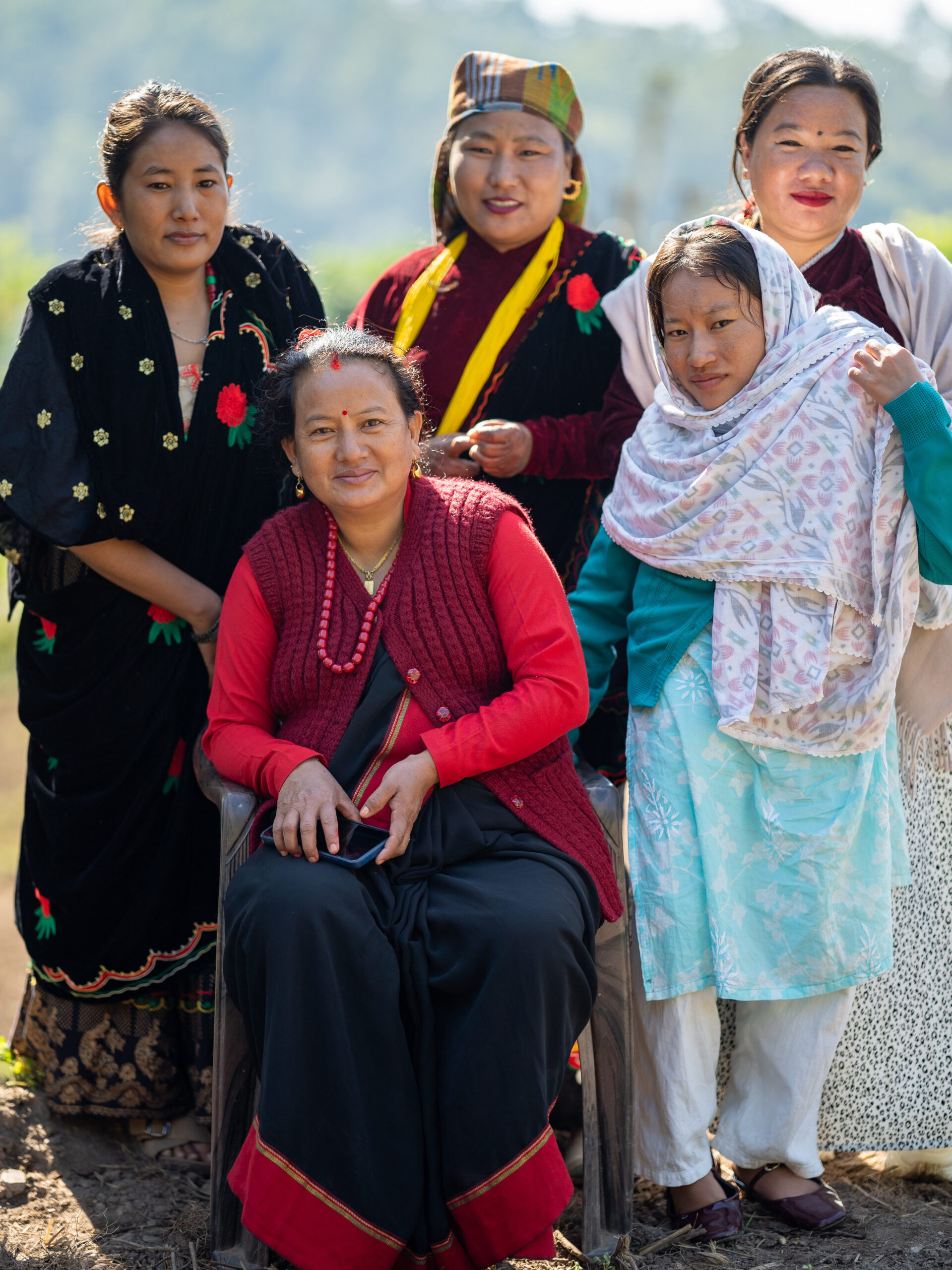
This is what the GR39 workshop—implemented by NIDWAN and funded by FIMI—made possible: not only knowledge, but recognition. Not only leadership, but belonging. Not only rights, but the collective certainty that dignity is not a privilege—it is theirs.