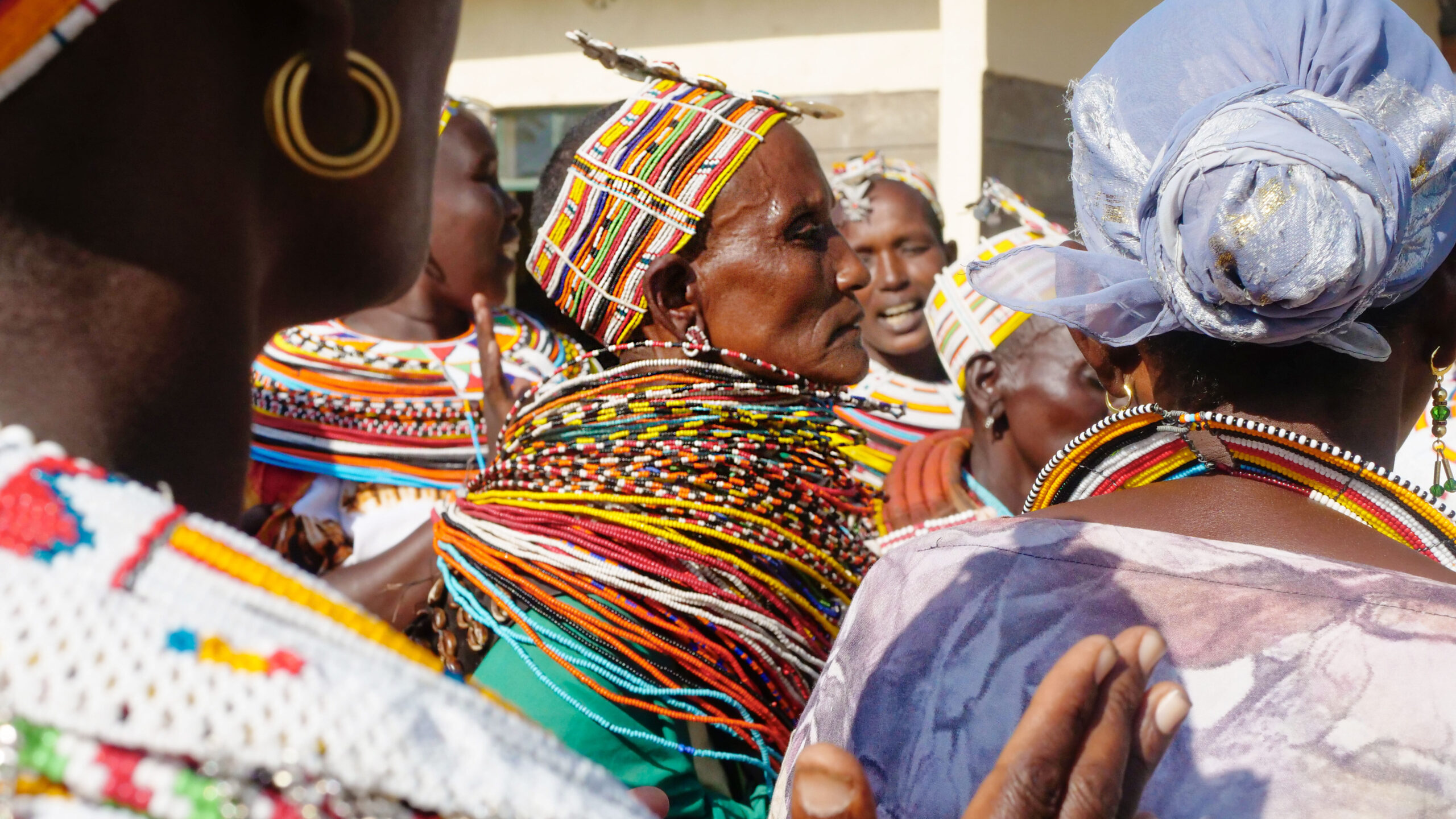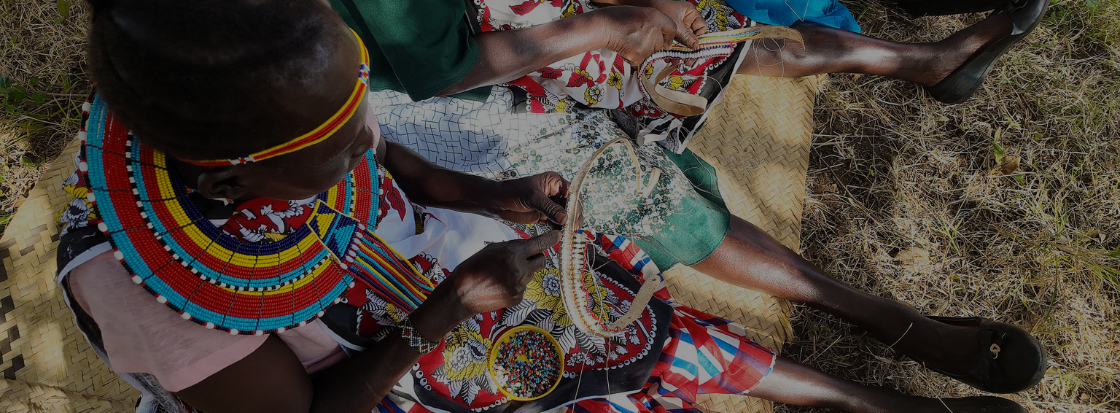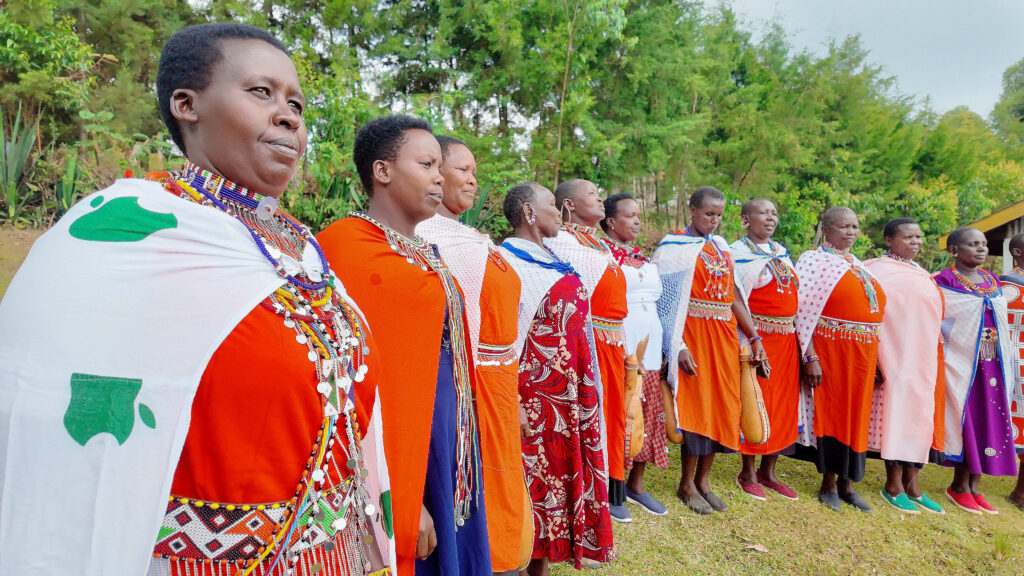
Across Kenya’s arid and often overlooked regions, change doesn’t arrive politely. It comes through dust, through scorching afternoons that melt motivation. It comes through conflict zones, tribal tension, and the kind of heat that makes the idea of a green garden feel like fiction. And yet, across four communities West Pokot, Maasai, Rendille, and Samburu women are building what they were told could not be built.
FIMI ‘s Indigenous Women Fund- Ayni has consolidated a regranting mechanism that distributes resources to local Indigenous Women’s organizations that would otherwise be excluded from funding due to lack of formal legal registration or administrative capacity. Through the strategic selection of Indigenous-led regional networks and organizations with strong territorial presence—such as IIN, a regional Indigenous-led network with experience in accompaniment and fund administration—projects led by Indigenous Women across different countries are identified and supported with flexible, direct funding, enabling them to develop their initiatives autonomously and in ways that are culturally relevant.
This model not only enables organizations to access direct funding for the first time and strengthen their community-level impact, but also creates pathways toward long-term sustainability and recognition within the funding ecosystem. At the same time, it increases operational efficiency by reducing administrative and transaction costs, as funds are transferred to a single trusted intermediary that distributes resources, accompanies local partners, and consolidates monitoring and reporting processes.
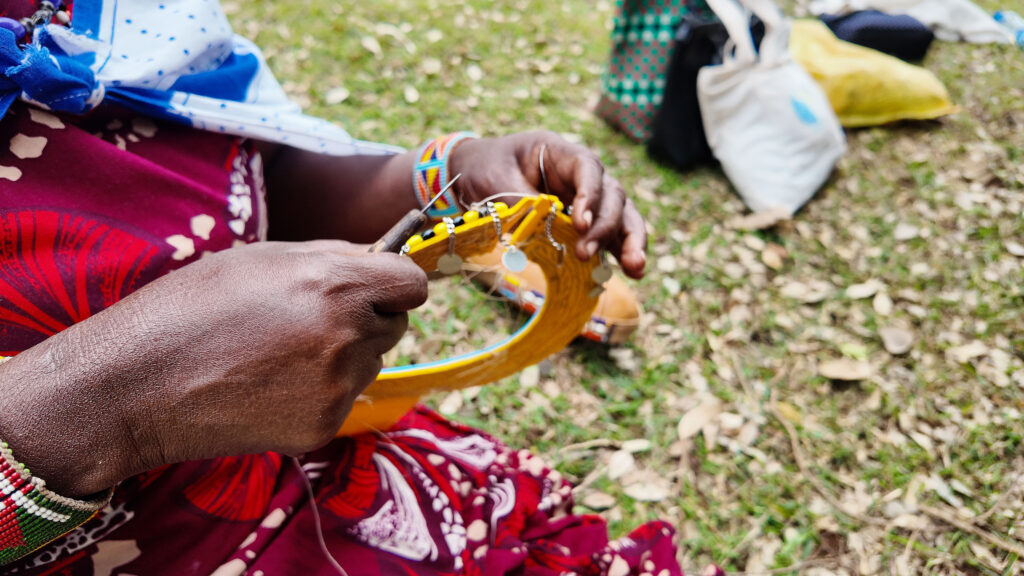
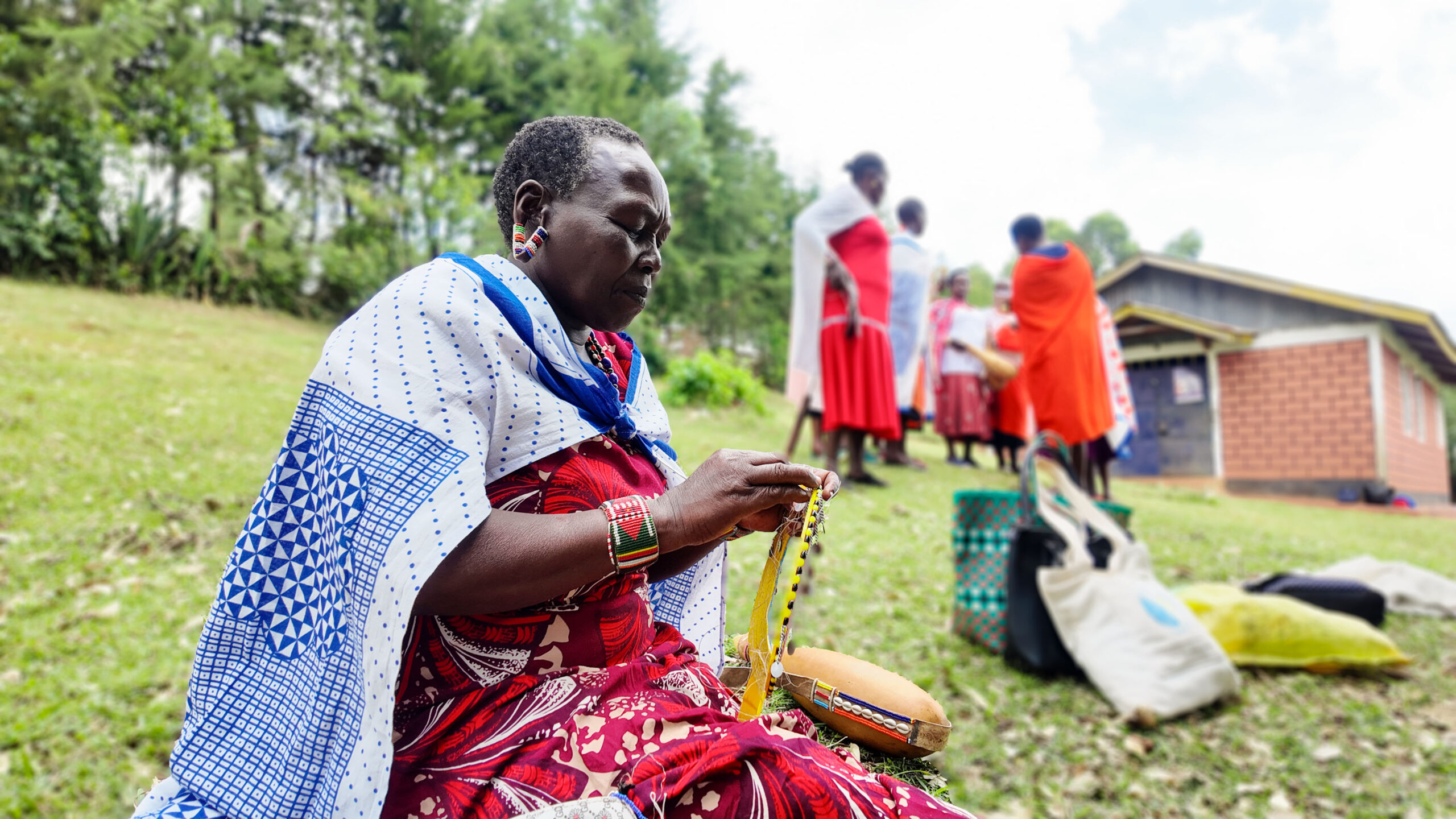
Through regranting support from FIMI's Ayni Fund to the Indigenous International Network (IIN), facilitate launched projects rooted in daily survival and long-term self dependance: kitchen gardening, chicken rearing, bead making, preservation of culture, and women’s rights education against gender-based violence (GBV).
The grants did more than fund activities. They unlocked skills, confidence, and community systems, and the results spread beyond borders, beyond clans, beyond the original plan.
West Pokot: Turning conflict into cultivation
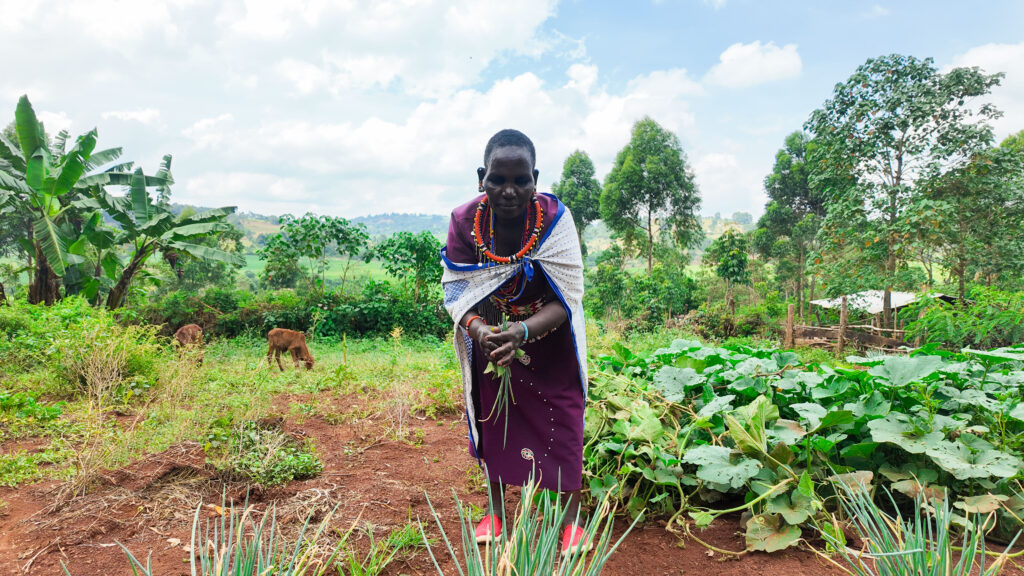
In West Pokot, where insecurity and armed banditry can interrupt ordinary life without warning, building anything stable takes courage. Yet this is exactly where kitchen gardening became an act of resistance against hunger, against fear, against the belief that conflict zones can only consume, never produce.
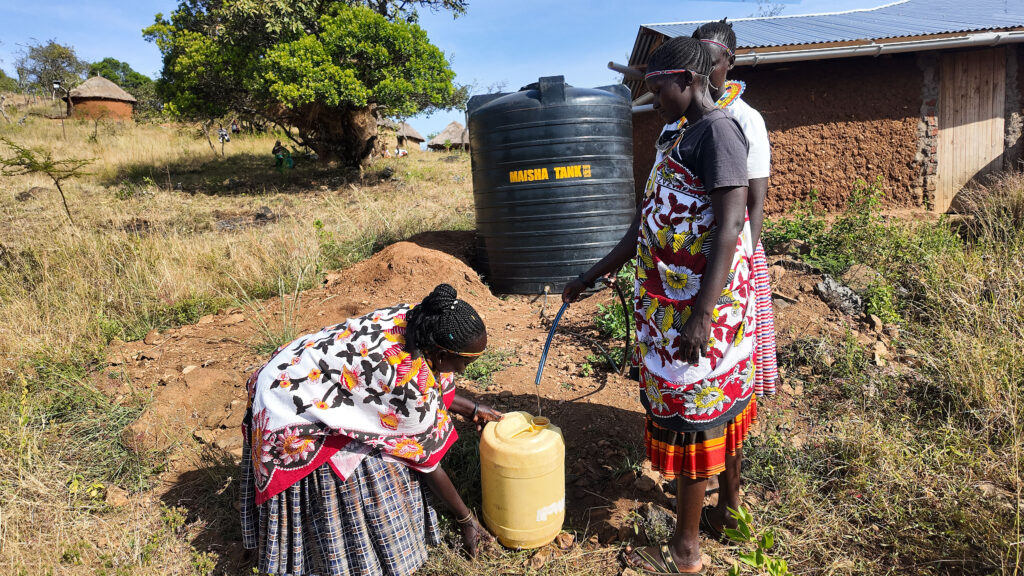
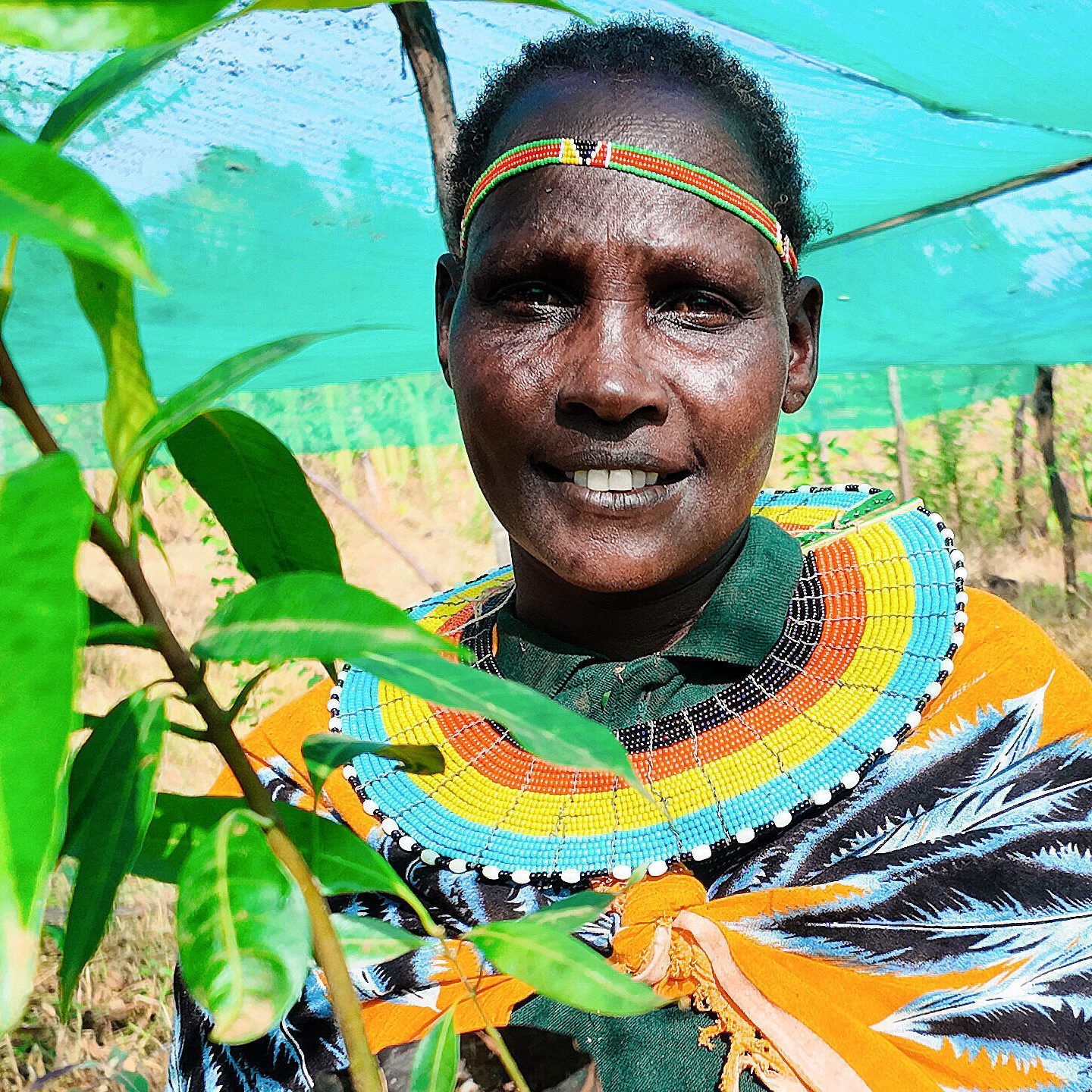
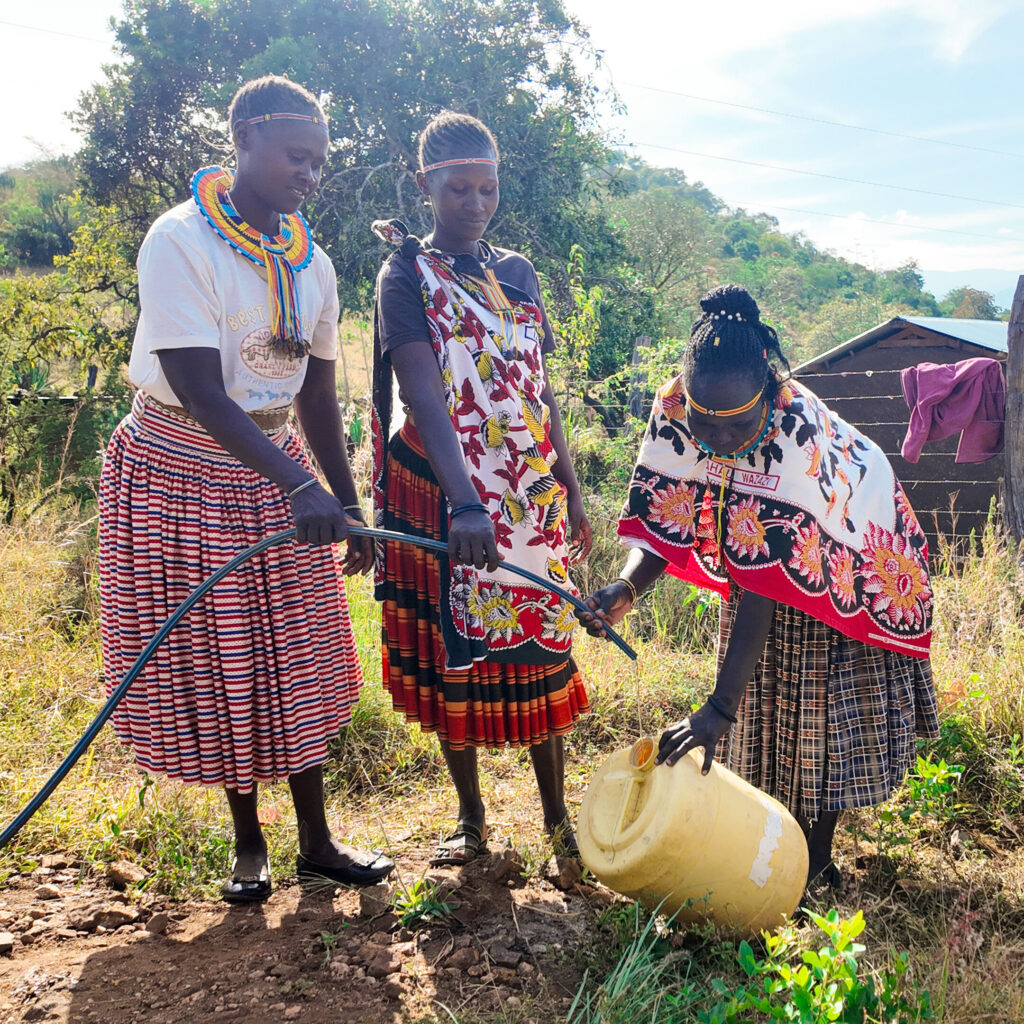
Elizabeth Kales who founded the Napakarin women group alongside other women in her tribe. Faced a major barrier: water. “You can’t grow vegetables on hope alone” says Elizabeth. The women in the west pockot region often found themselves walking miles away from their homes, in search of water from the nearest river. Through regranting from FIMI ‘s Ayni Fund, Indigenous Women organized in the grass root level that IIN has reached have learned water harvesting techniques. By storing rain water, inside water tanks so that gardens could survive the dry spells.
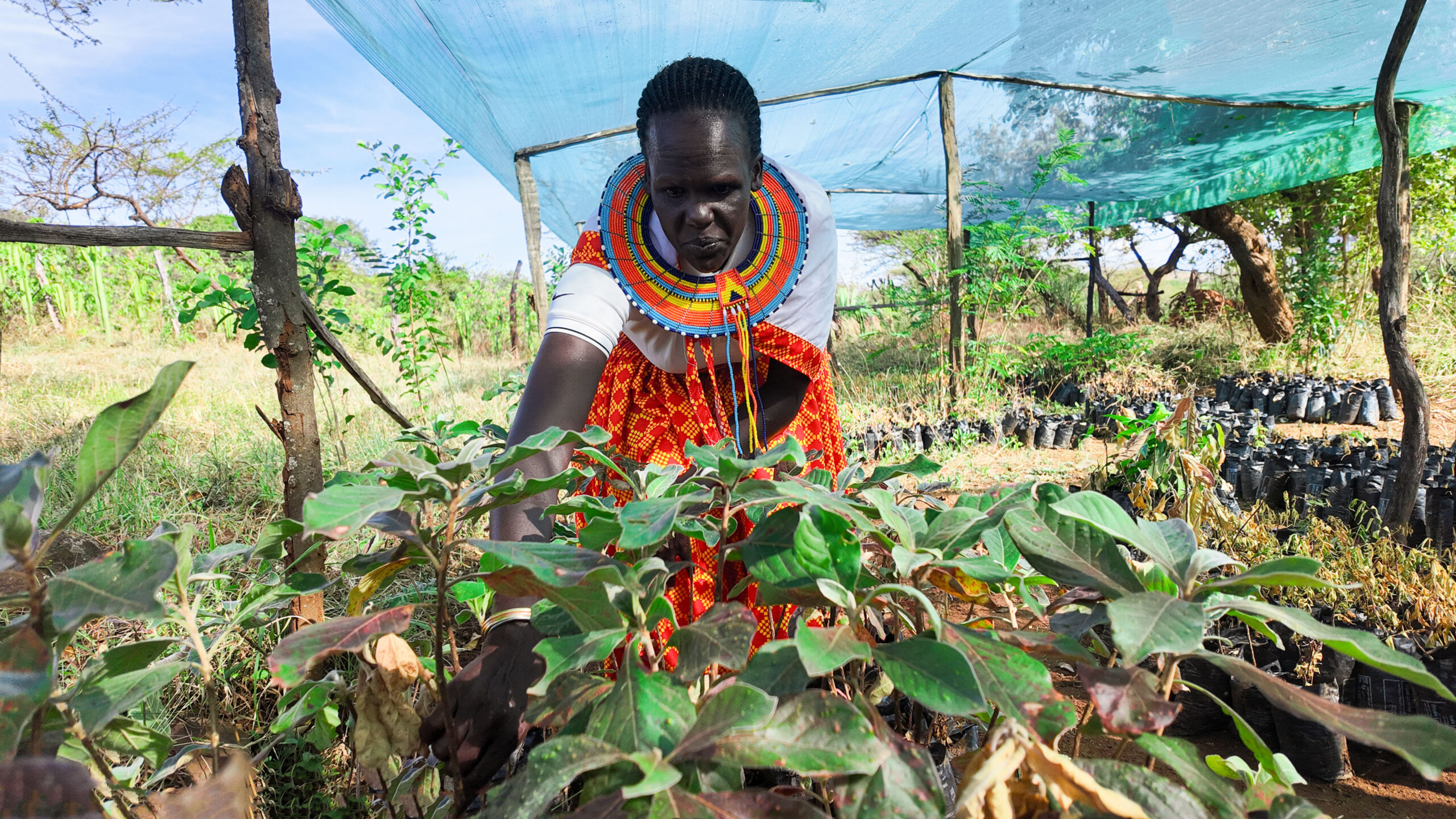
As women we are now proceeding well, men cannot oppress us because we are financially dependant
Elizabeth Kales
With new knowledge and practical support from FIMI though IIN, the gardens became more than food sources. They became the women's main source of income through selling vegetables from their kitchen gardens and production of eggs through chicken rearing.Tree nurseries became training grounds for women in neighboring tribes. Knowledge on preservation of trees cut down for charcoal production was Elizabeth Kale's main goal to make sure their community is green again. Women shared techniques with neighboring tribes and groups, proving that skills travel faster than conflict.
What began as a local solution turned into a regional lesson. When women control food production and environment sustainability they reduce dependency, strengthen household resilience, preserve the environment landscape and create stability where instability is expected.
Maasai: Growing peace in the middle of tension
Among Maasai communities, conflict between tribes can harden trust and fracture cooperation. But women often move differently. They cross social boundaries through daily responsibilities. Raising children, sourcing food, managing households and they can turn that position into leadership.
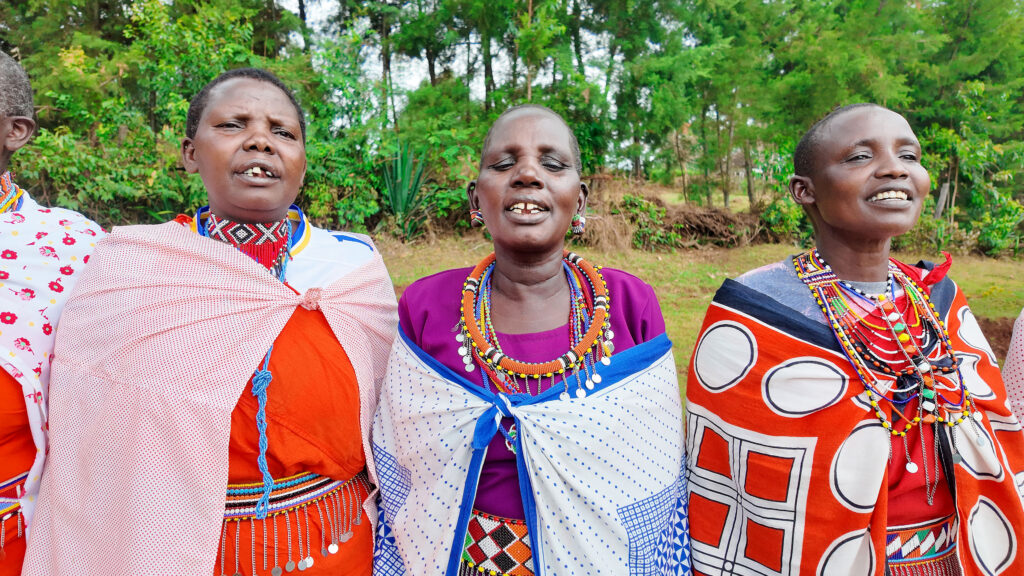
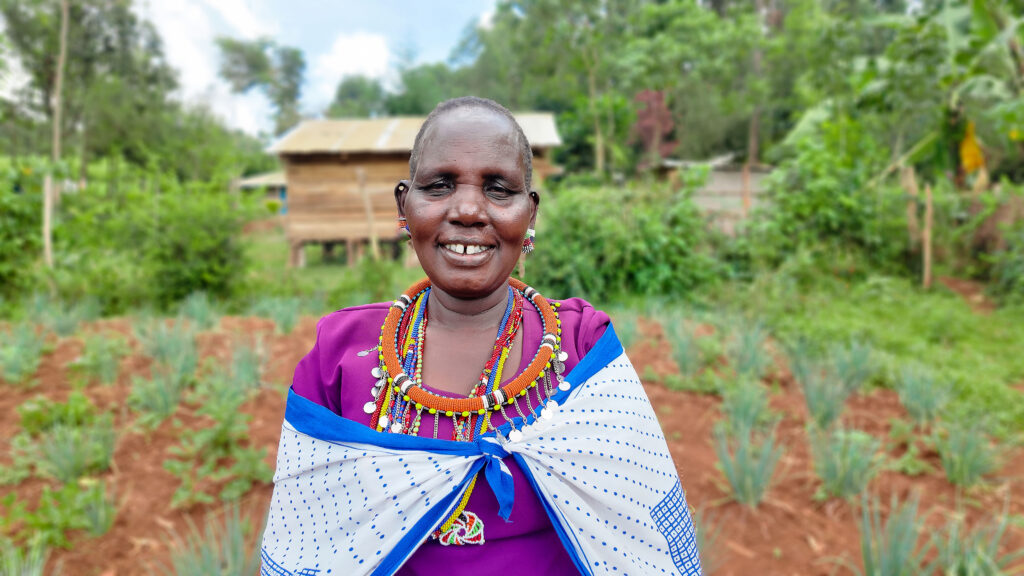
Naibartuni Tukero, the chair lady from Intotoli women group in Massai land, describes how their work pushed beyond income or agriculture. It became about dignity: the right to live without fear, the right to build without being blocked by tension.
Regranting is important because it helped us to expand our knowledge on skills that contribute to our communities income for women. We are now able to equally contribute financially in our homes to the upbringing of our children. This has helped us eradicate conflicts in our homes
Naibartuni Tukero
Rendille (Marsabit): Farming under a furnace
Marsabit’s landscape is beautiful, surrounded by wildlife, red soil and scorching hot sun. For the Rendille tribe, extreme heat makes farming and kitchen gardens difficult to establish and even harder to maintain. The issue isn’t only soil, it's survival conditions. When water is scarce and distances are long, “starting a garden” sounds like an outsider’s fantasy. As the tribe is prone to experience long periods of drought But FIMI’s regrant to IIN brought something practical and transformational: water tanks to harvest rainwater.
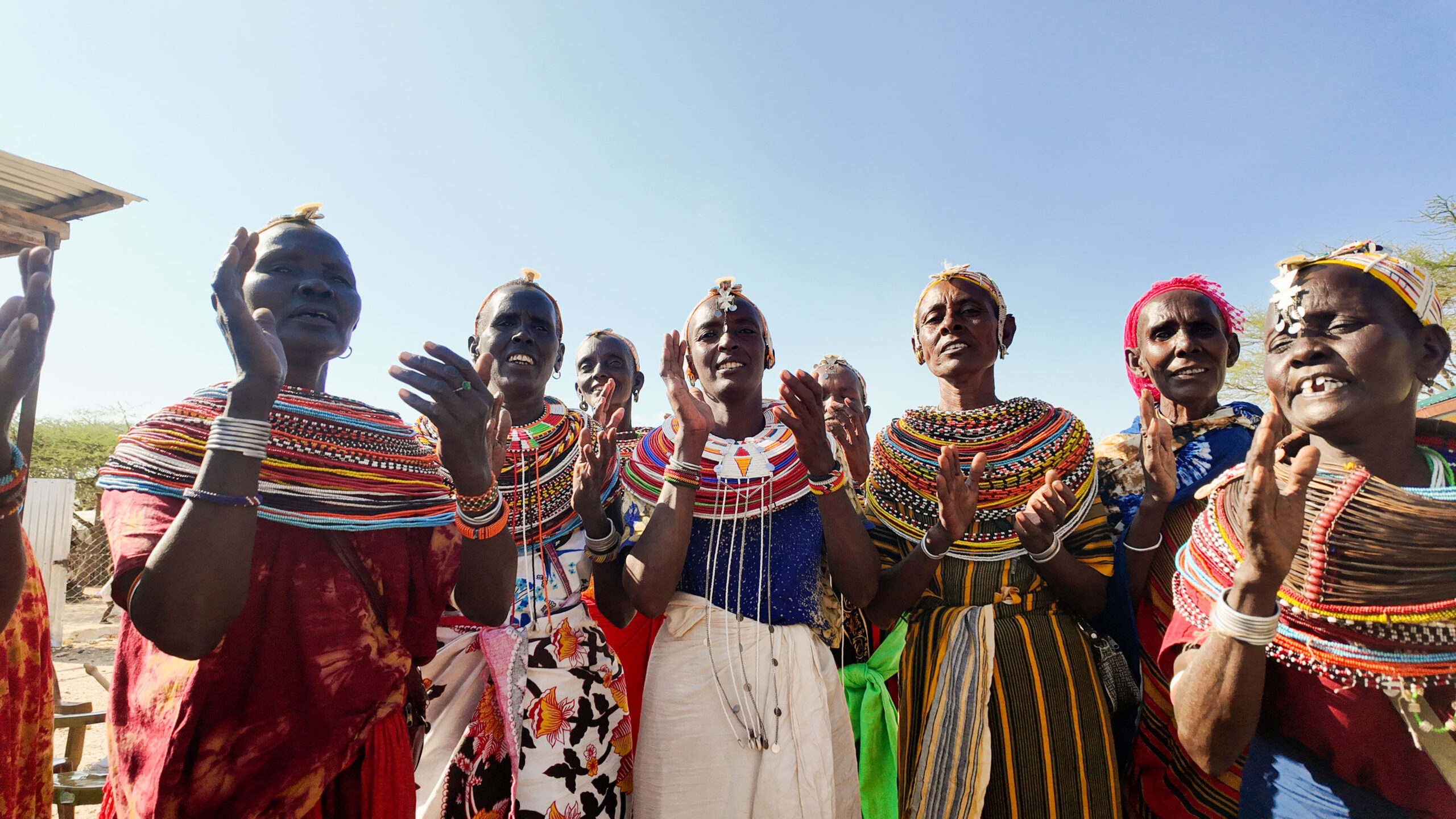
Ngesinoi Leinte explains that the tank did not just hold water it held possibility.Trainings on women's rights and gender based violence helped the women in the Redille tribe find their voice again.
In the past when girls get raped they use keep quiet but now they know about their rights they no longer keep quiet. We know where to go to get help from law enforcement
Ngesinoi Leinte
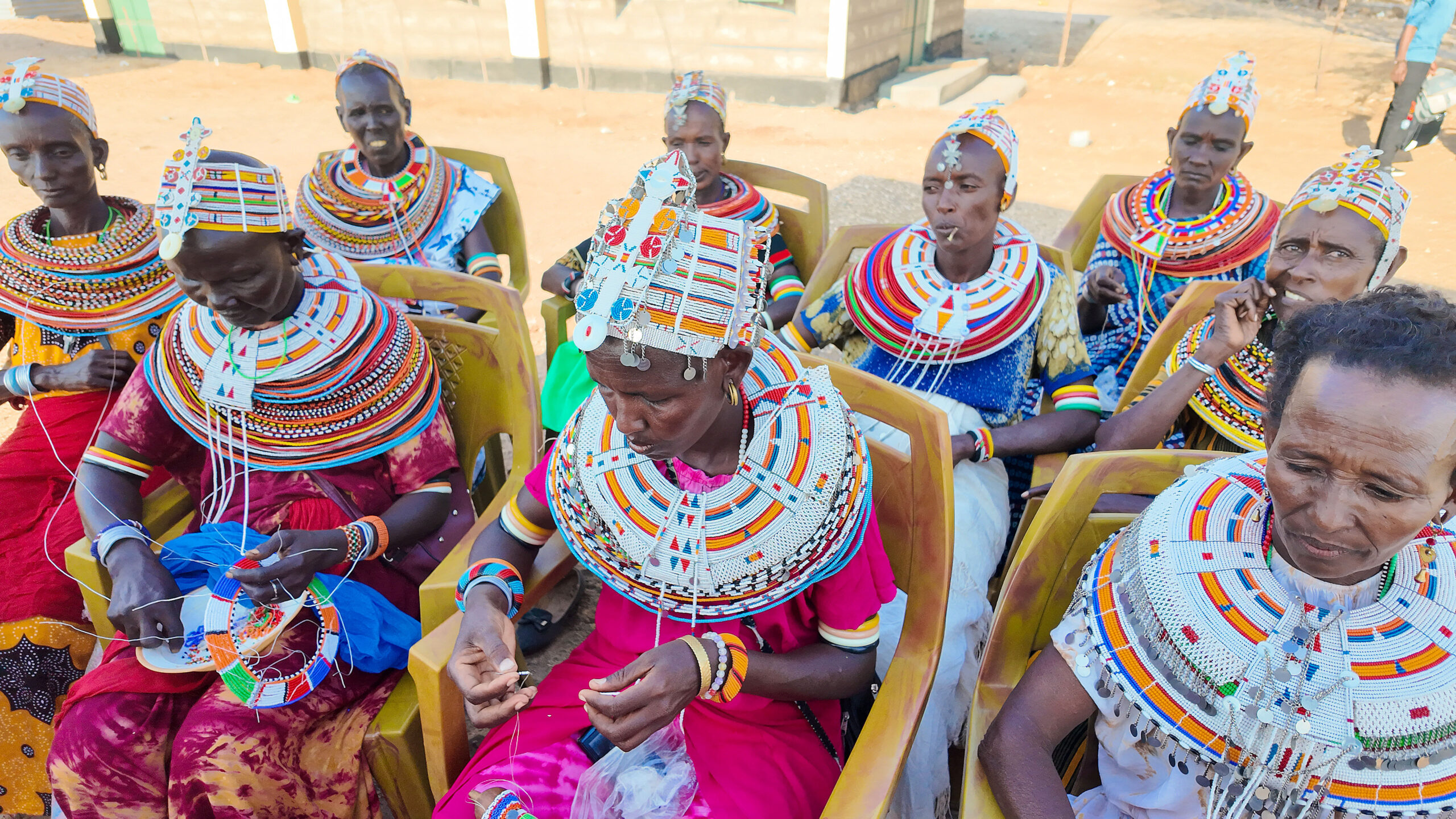
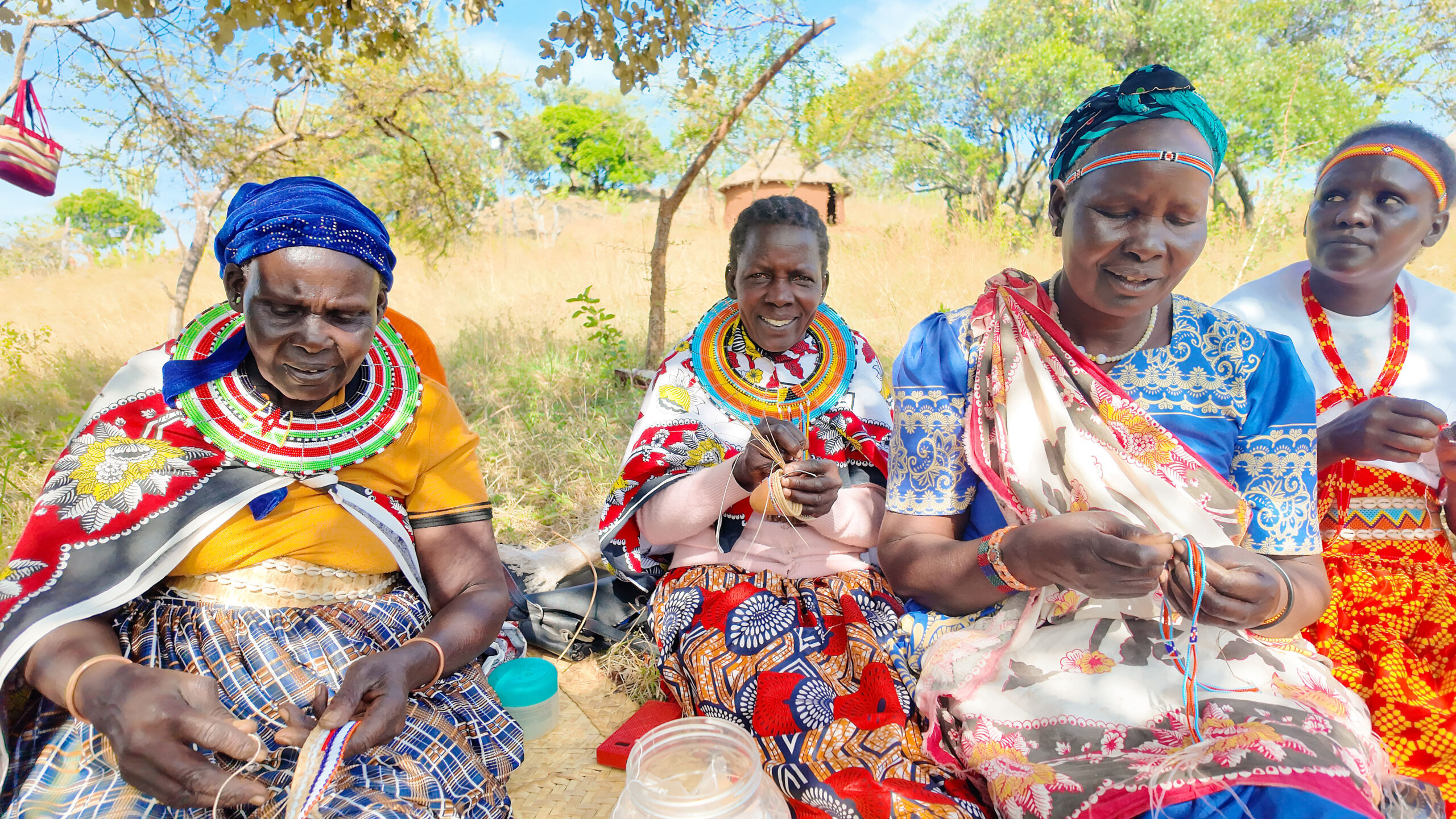
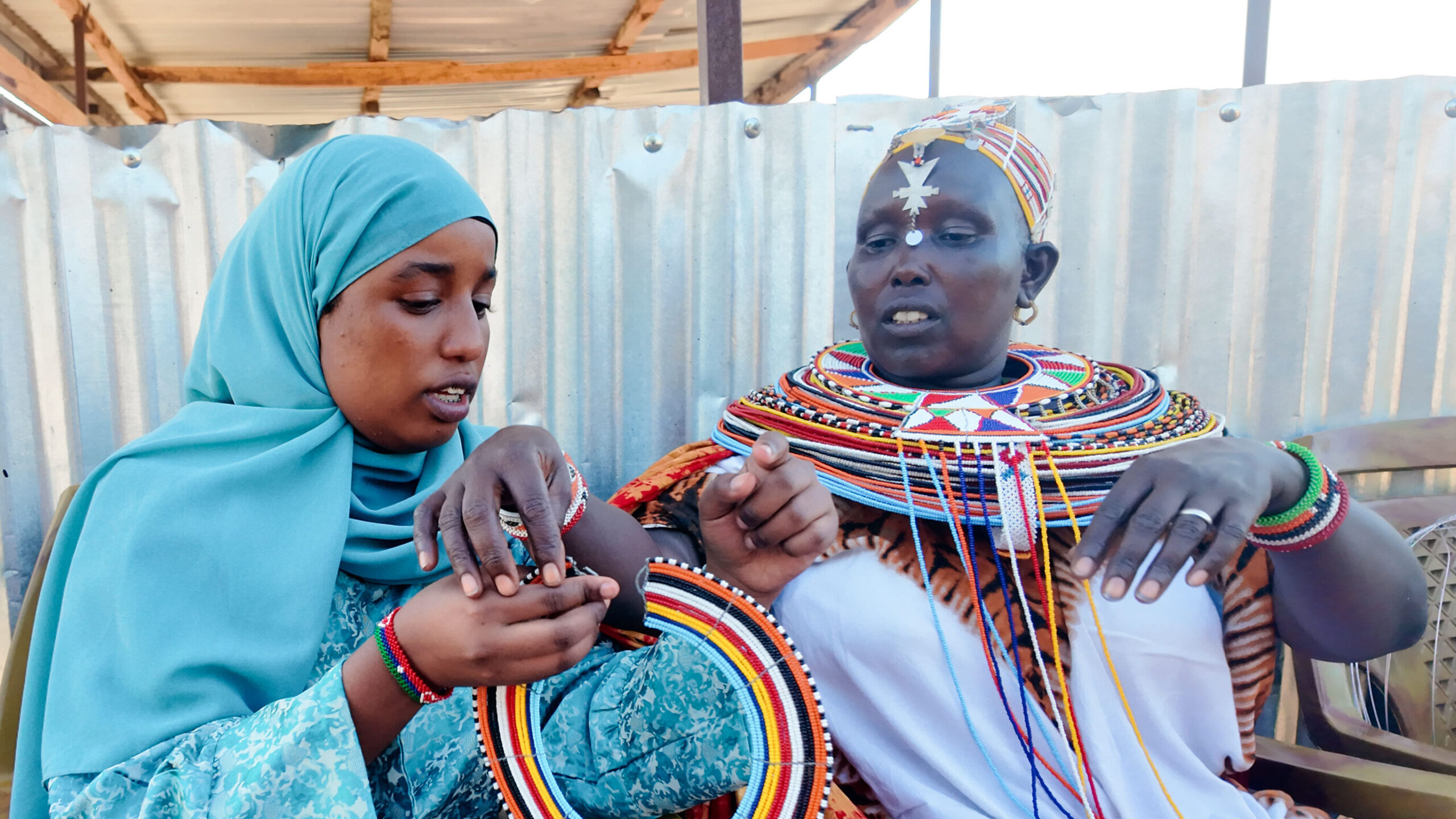
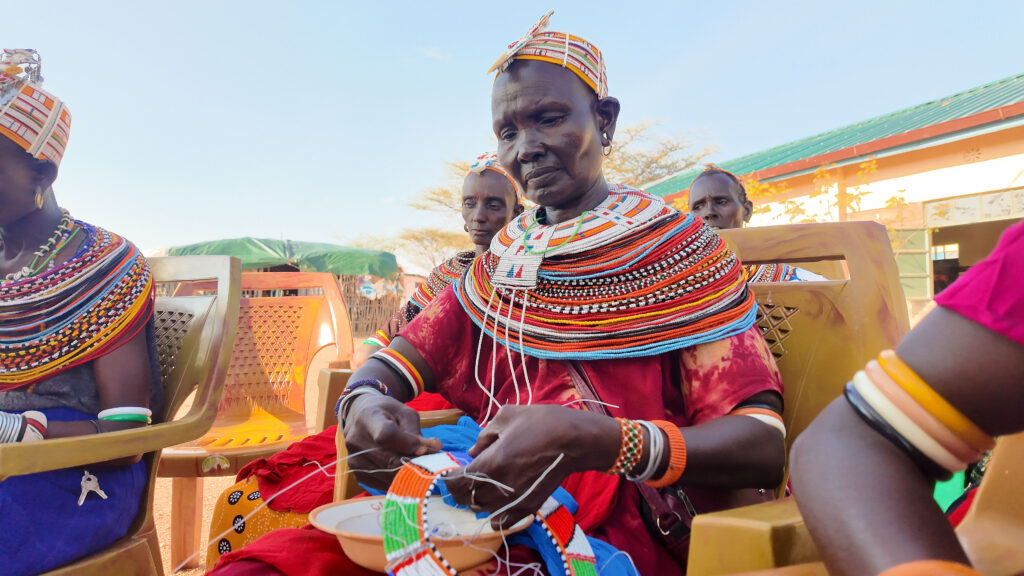
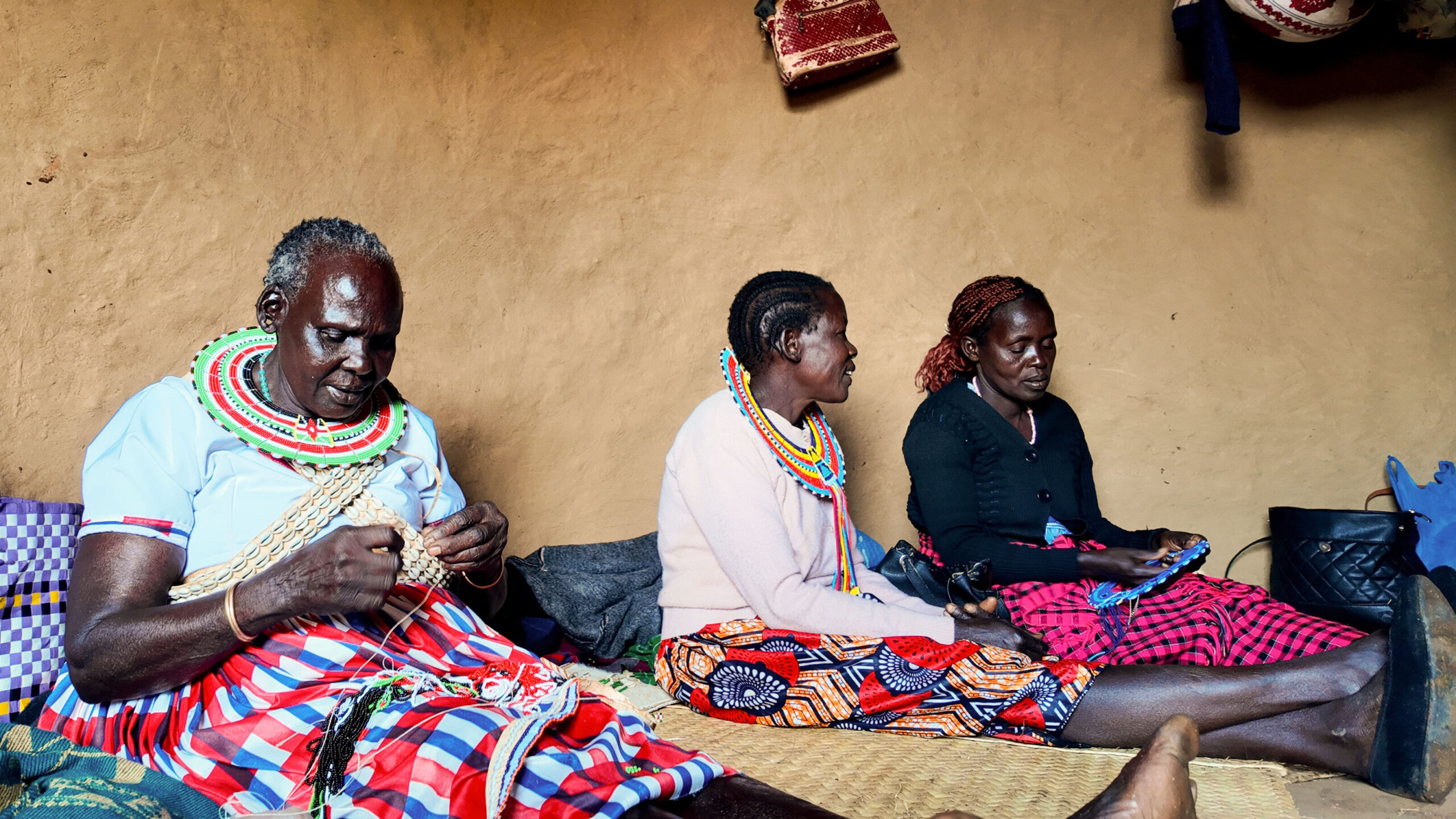
Income, activities like bead making gained momentum, helping women diversify livelihoods in a climate where one failed season can mean crisis.The impact did not stay local: women trained neighboring tribes, spreading knowledge and resilience beyond their own community.
Samburu: Preserving culture while protecting women
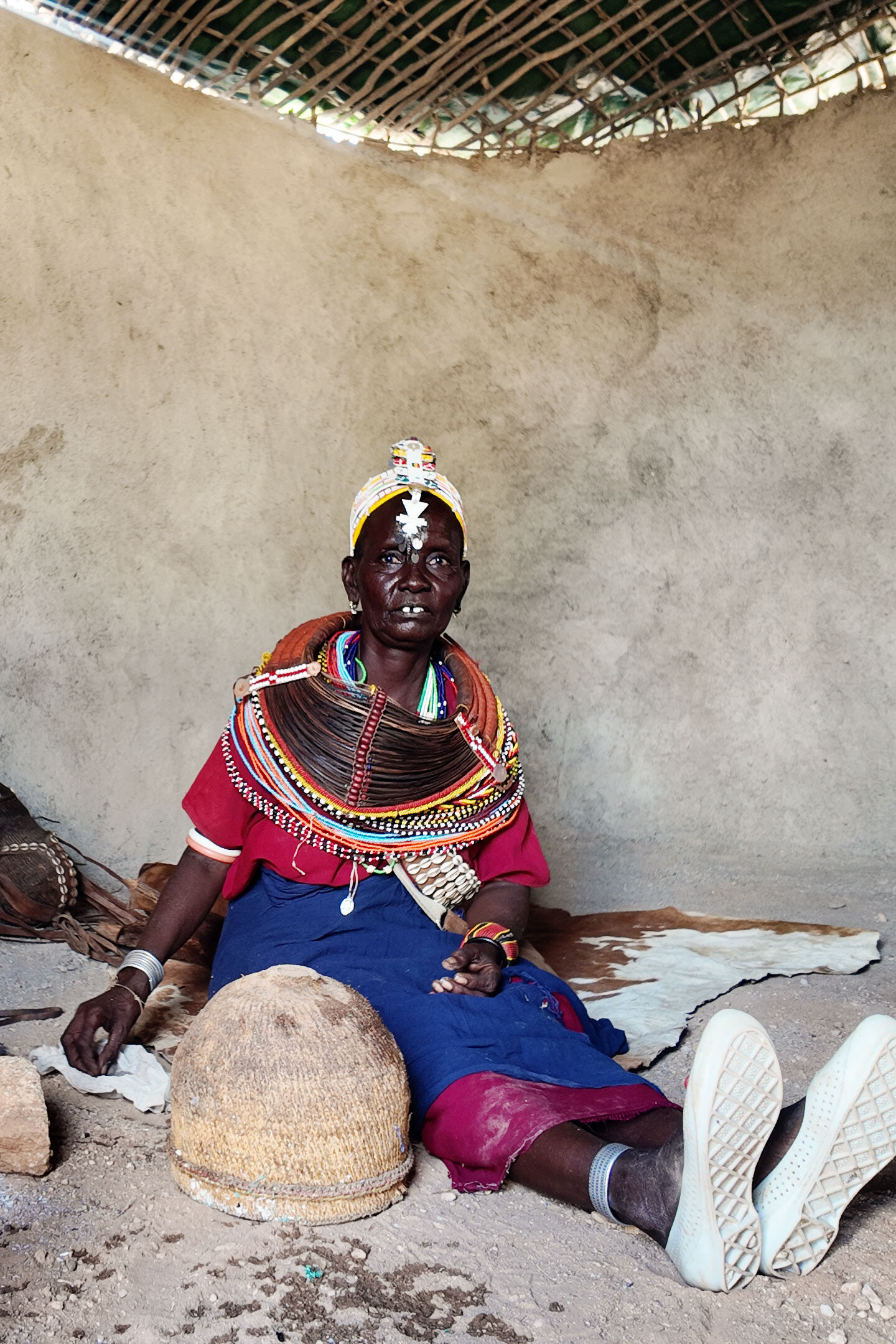
In Samburu communities, extreme heat and water scarcity also shape daily life. But another struggle runs alongside climate: women’s rights, safety, and the fight against GBV. Here, change is not only about resources it’s also about voice.
FIMI´s support strengthened women-led education on rights and protection, while also supporting livelihoods such as bead making and food-related initiatives. Economic independence and rights education worked together like a lock and key: when women earn, they negotiate; when women know their rights, they refuse harm.
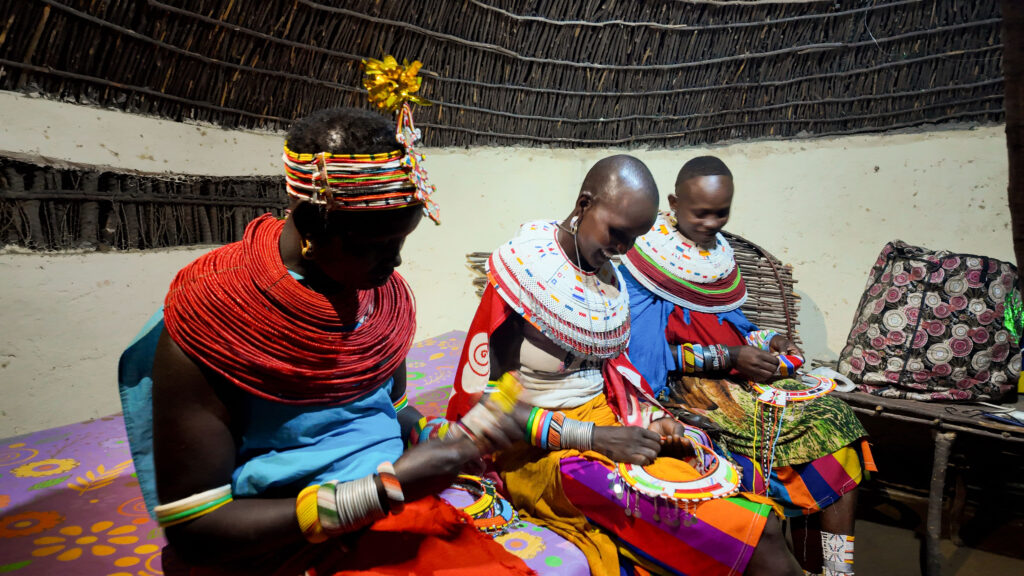
The women did not keep the knowledge to themselves. They trained others, supported neighboring groups, and built a wider circle of informed women, the kind of ripple effect that outlasts any single grant cycle.
The ripple effect: a regrant becomes a movement
And this is what happens when funding arrives not with imposed conditions, but with trust.
In Kenya’s arid lands—where heat withers crops and conflict threatens to fracture communities—Indigenous Women have shown that resilience is not just resistance: it is construction. With every water tank installed, every garden flourishing under the relentless sun, and every girl who no longer remains silent in the face of violence, they are redefining what security, peace, and future truly mean.
qu’actrices clés du changement social et environnemental. Aujourd’hui plus que jamais, les Femmes autochtones du Vanuatu, comme celles du monde entier, ont un modèle à suivre, où le respect de leurs droits et leur participation aux décisions cruciales pour leur avenir ne sont pas seulement possibles, mais essentiels.
The Ayni Fund’s grant did not plant leadership—it recognized it. It did not create capacity—it amplified it. It did not impose solutions—it accompanied processes already alive in the territory. What began as financial support became something far more powerful: economic autonomy, inter-tribal networks, stability in homes once marked by tension, and communities that now produce where they were once forced merely to survive.
In West Pokot, Maasai, Rendille, and Samburu, Indigenous Women are not waiting for change to arrive. They are the change. They are transforming conflict into cultivation, scarcity into strategy, silence into collective voice. They are proving that when women control resources, knowledge, and decisions, peace stops being a distant promise and becomes a daily practice. Because when you trust Indigenous Women, you are not funding activities. You are funding the present and building the future.
.