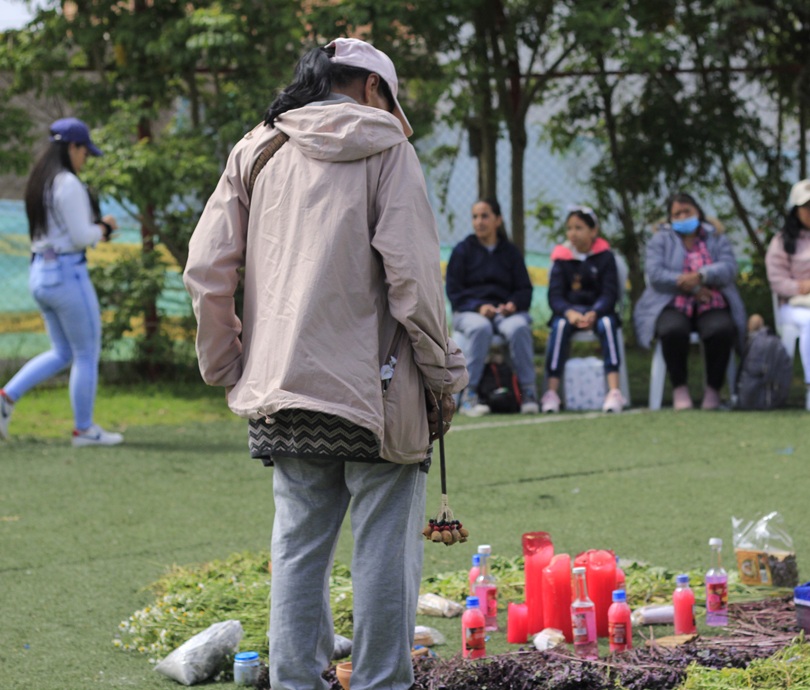
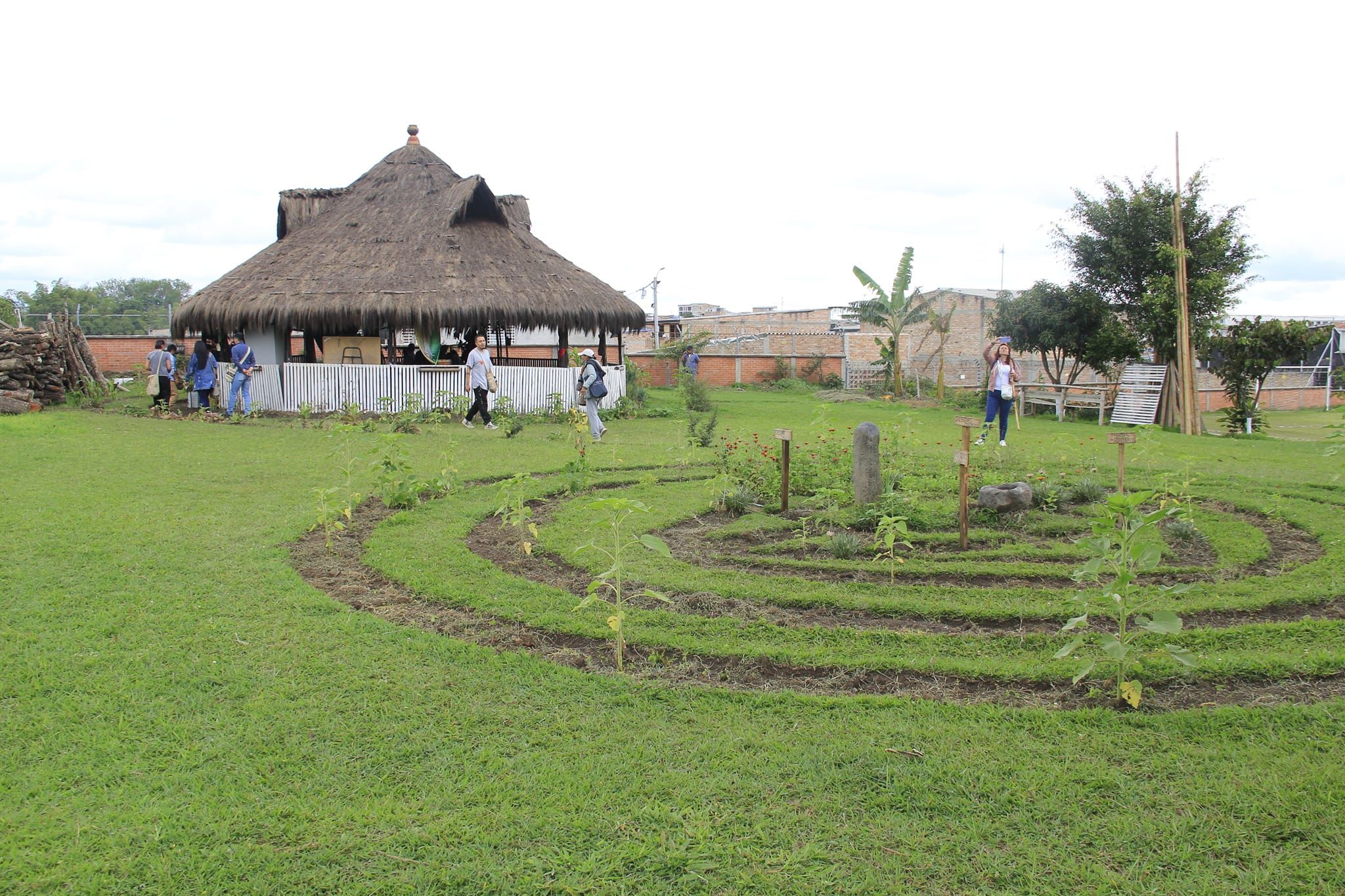
The Muiscas, guardians of the seed, uphold a form of organization in spiral, in which the man is at the tip, but the foundations and continuity belong to the woman. This is seen in the Myth of Bague, which says that in the beginning only Bague, the Grandmother Mother, existed. When she cried out, the gods, light, plants, animals, and the Muiscas appeared. For Muisca women, they were sown like stars in space. Even after the Council was recognized, self-determination has remained a difficult process for them, because their daily lives are governed by the laws of family clans.
“Before FIMI’s support, Muisca Women did not know how to identify the wounds caused by the lack of recognition of their role as women within the community; they felt that their word had no value, that they were not enough”, reflects Diana Cobos. This community leader coordinated the project Being an Indigenous Woman in Search of Healing, supported by FIMI’s Ayni Fund and since then, she confesses, her chest has been lit with joy.
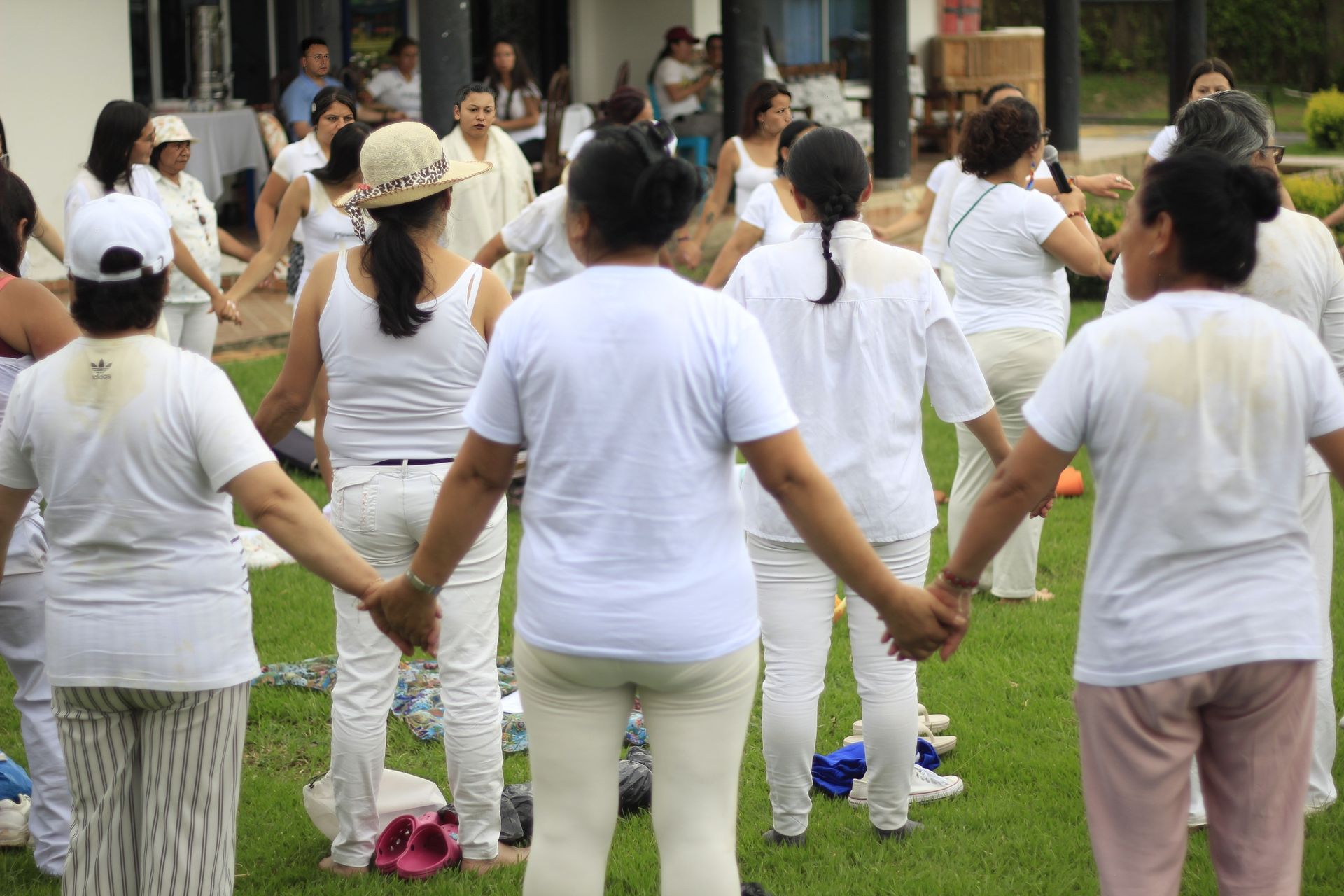
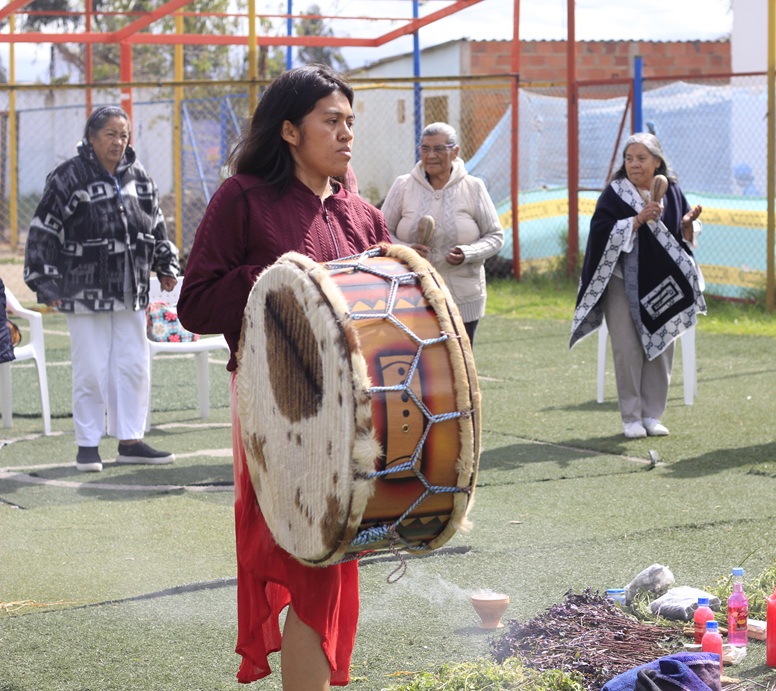
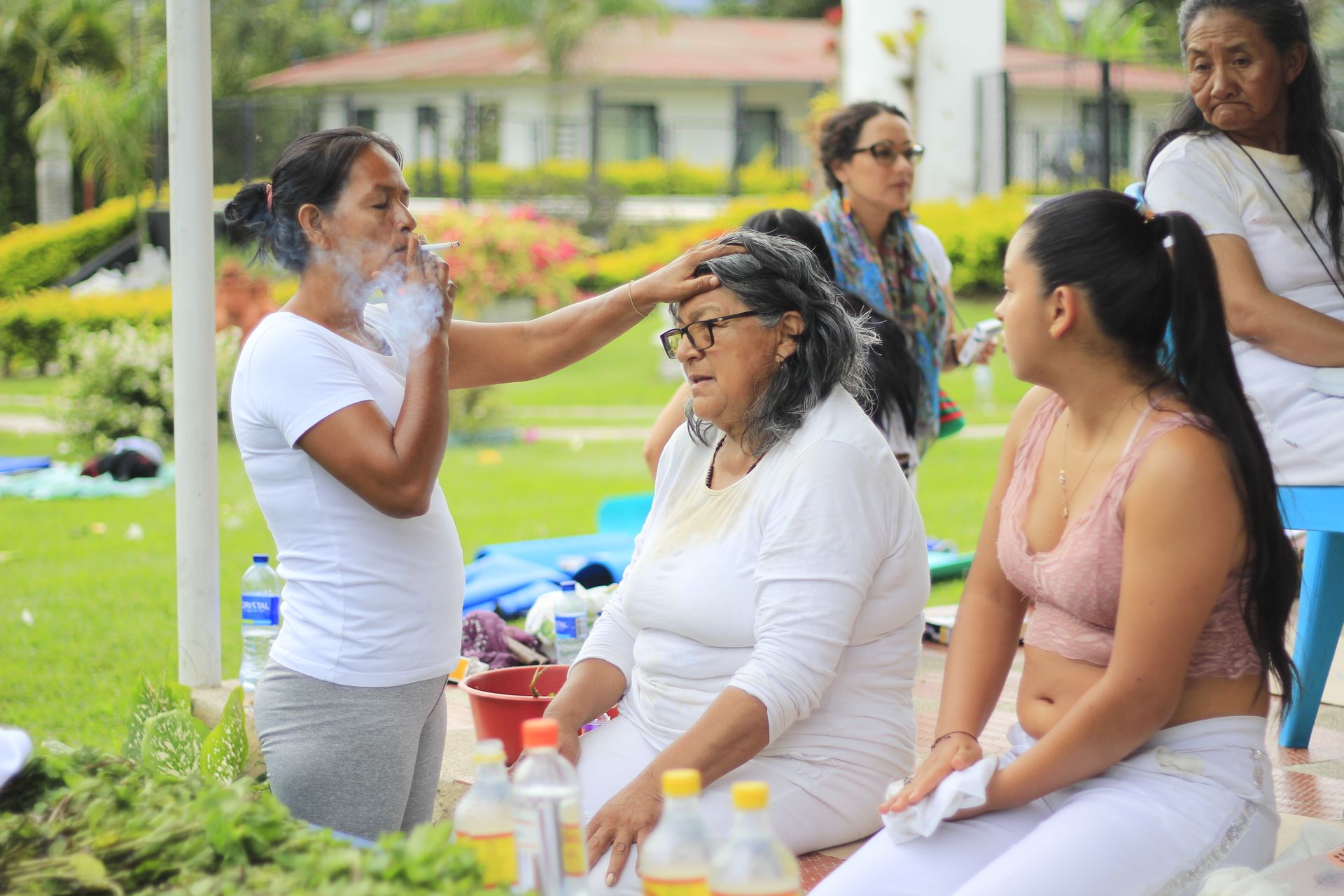
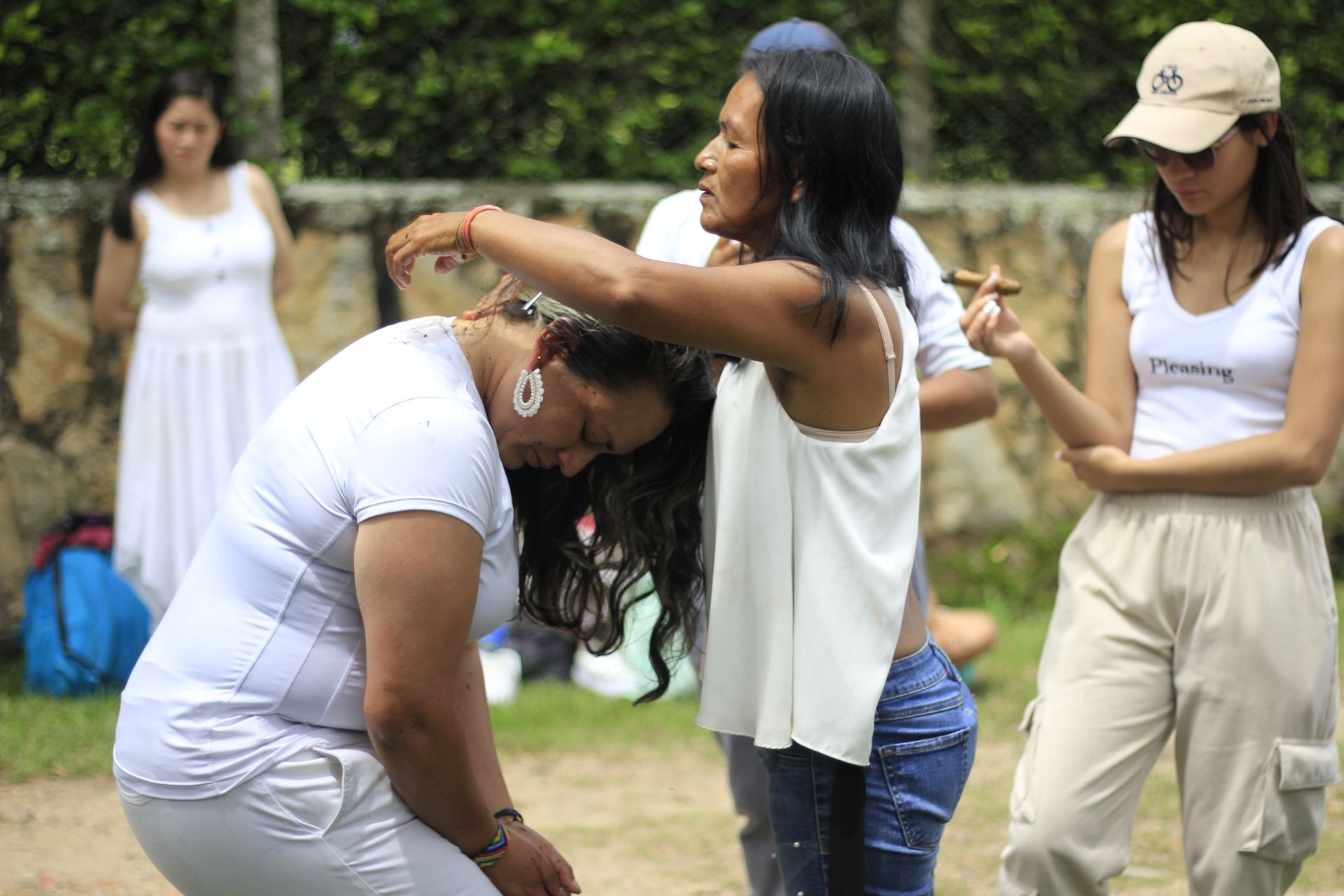
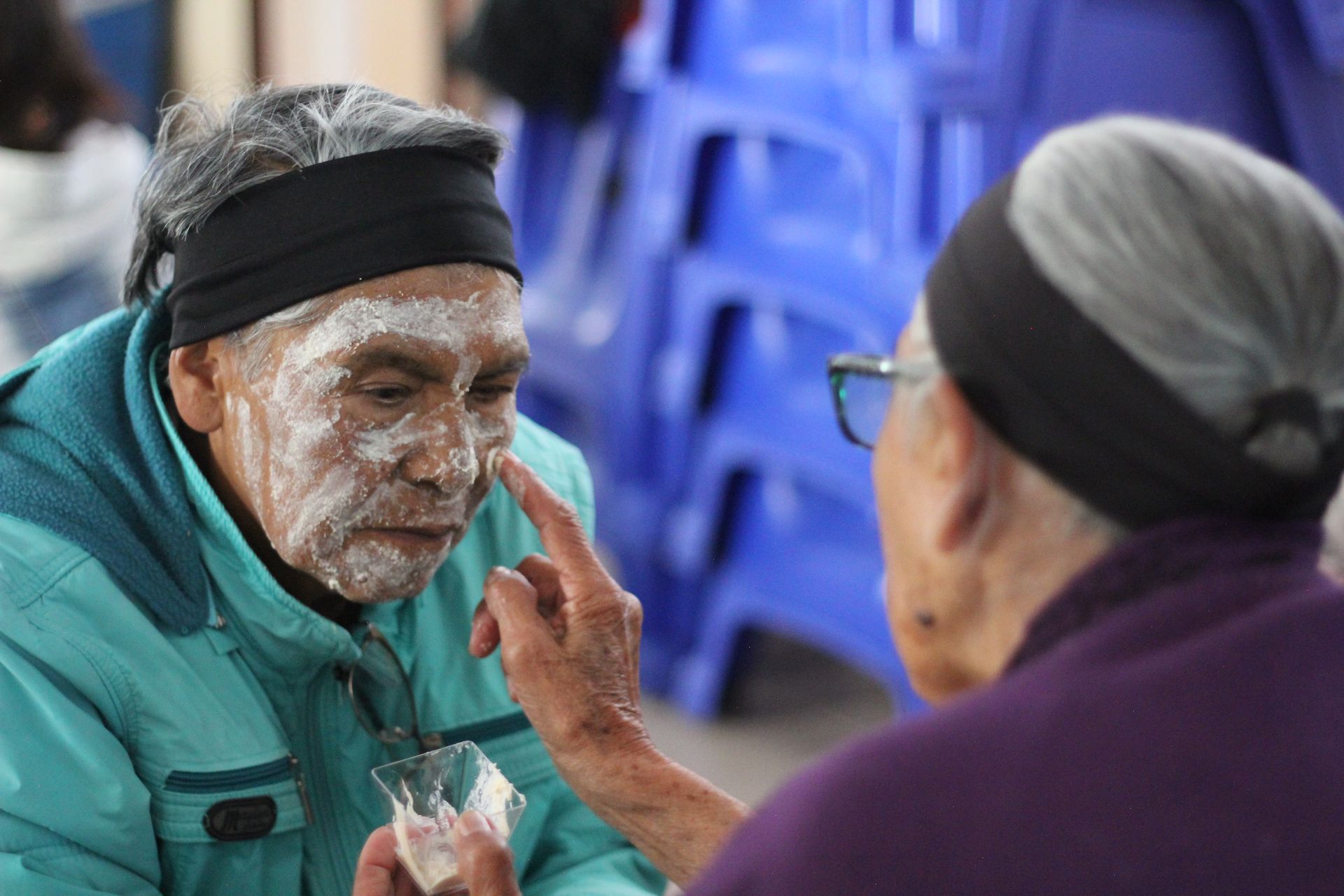
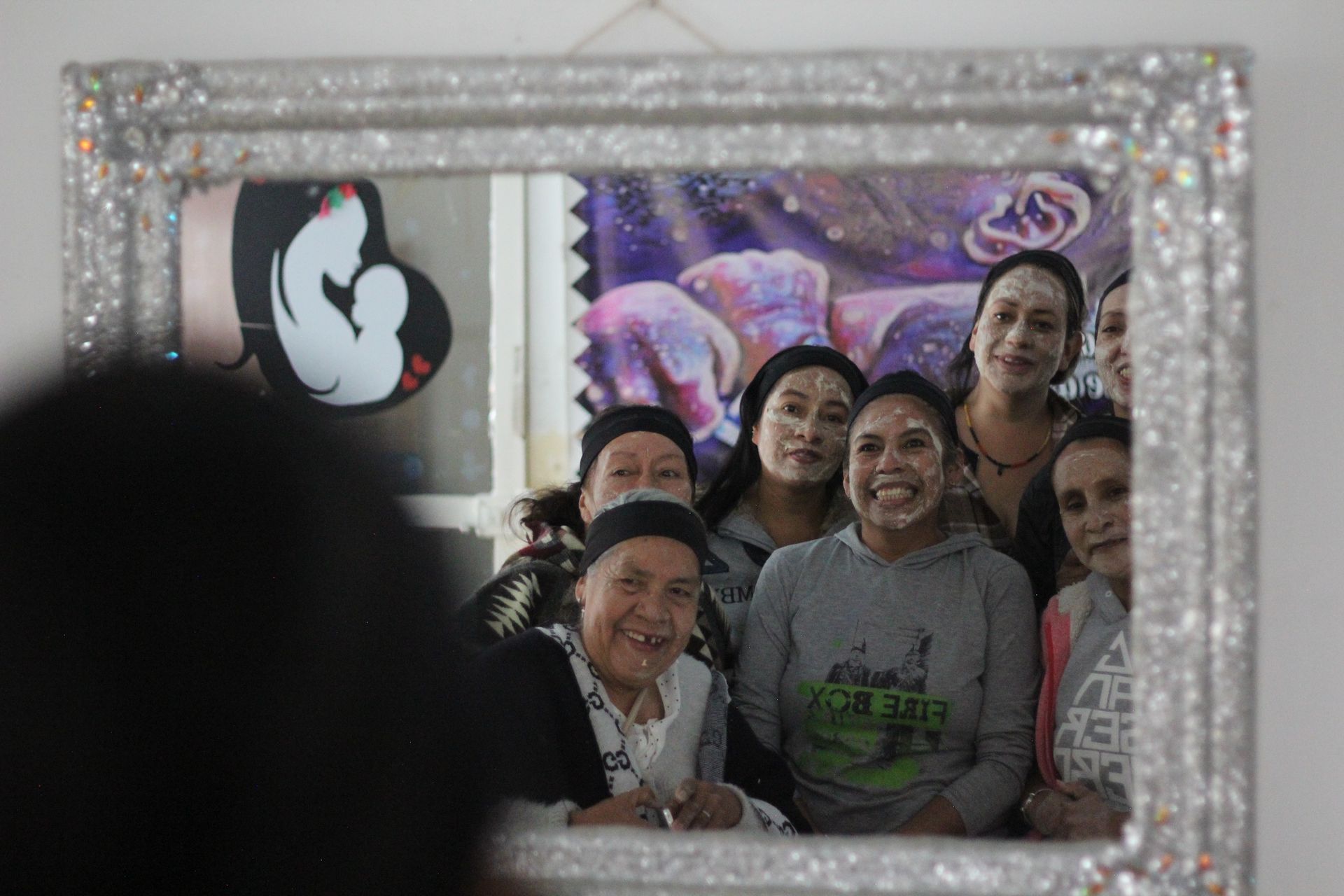
Of the 115 women who began working on inner healing, 95 completed the year-long process that helped them in their journey Dropout was minimal, because each gathering always offered new discoveries through ritual, cultural, and psychological practices. Diana explains that it served as a transition in which knowledge keepers, midwives, and women leaders participated. Together, they grew and released the burdens they carried individually, within their families, and collectively: “This project empowered women. We moved from an internal process to one of integration, where we discovered ourselves as part of a collective, exposed our vulnerabilities, and became strong; we left abandonment behind.”
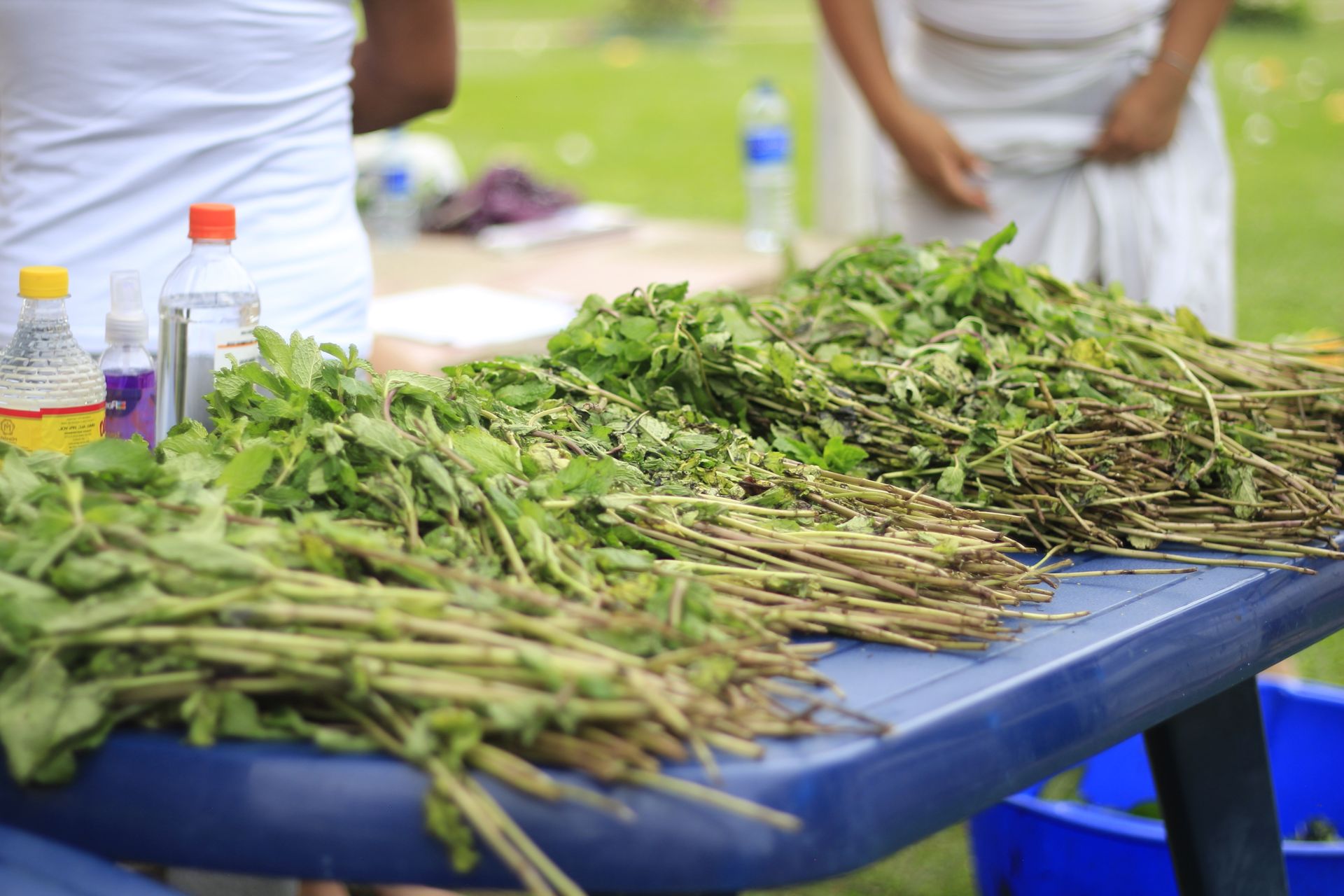
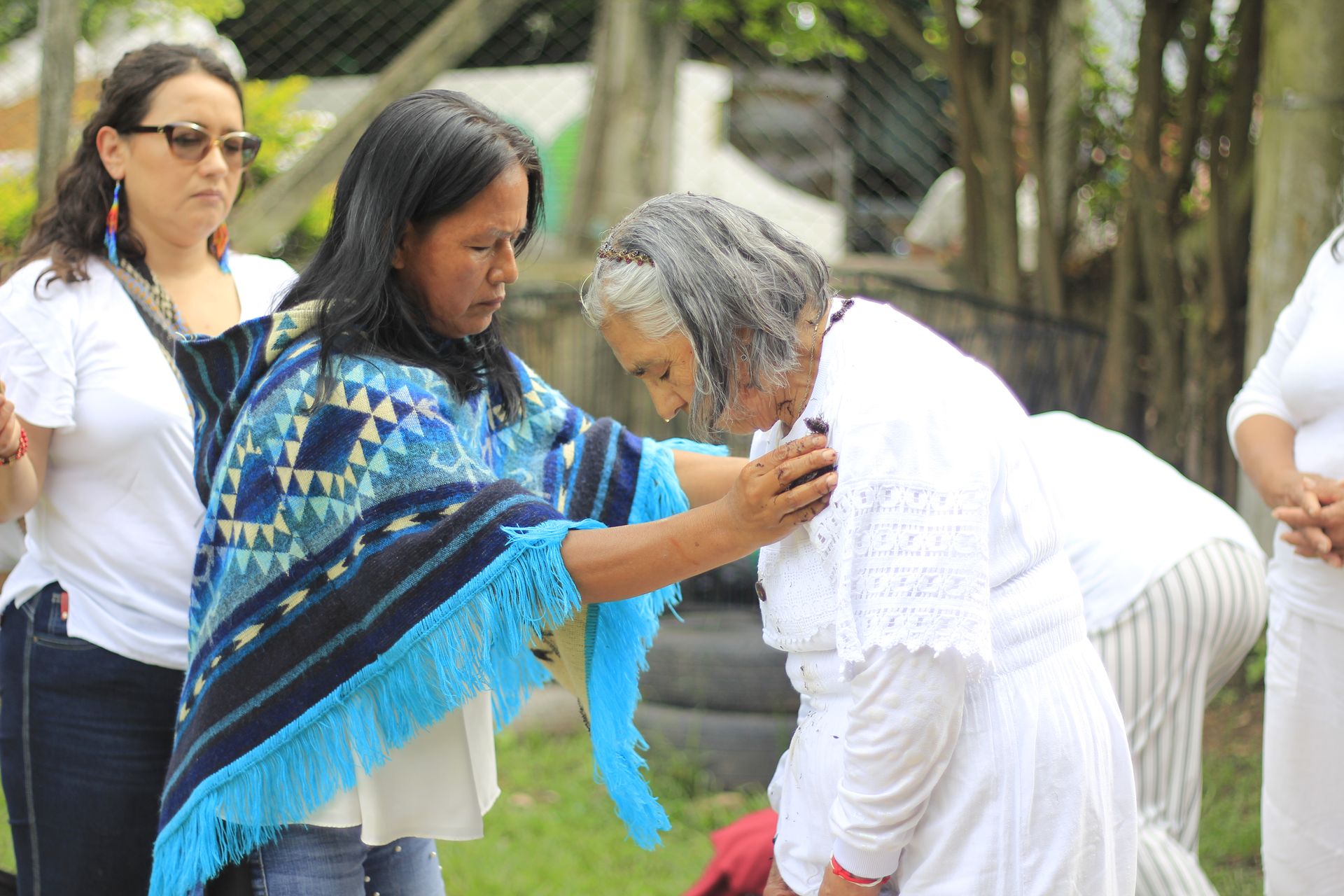
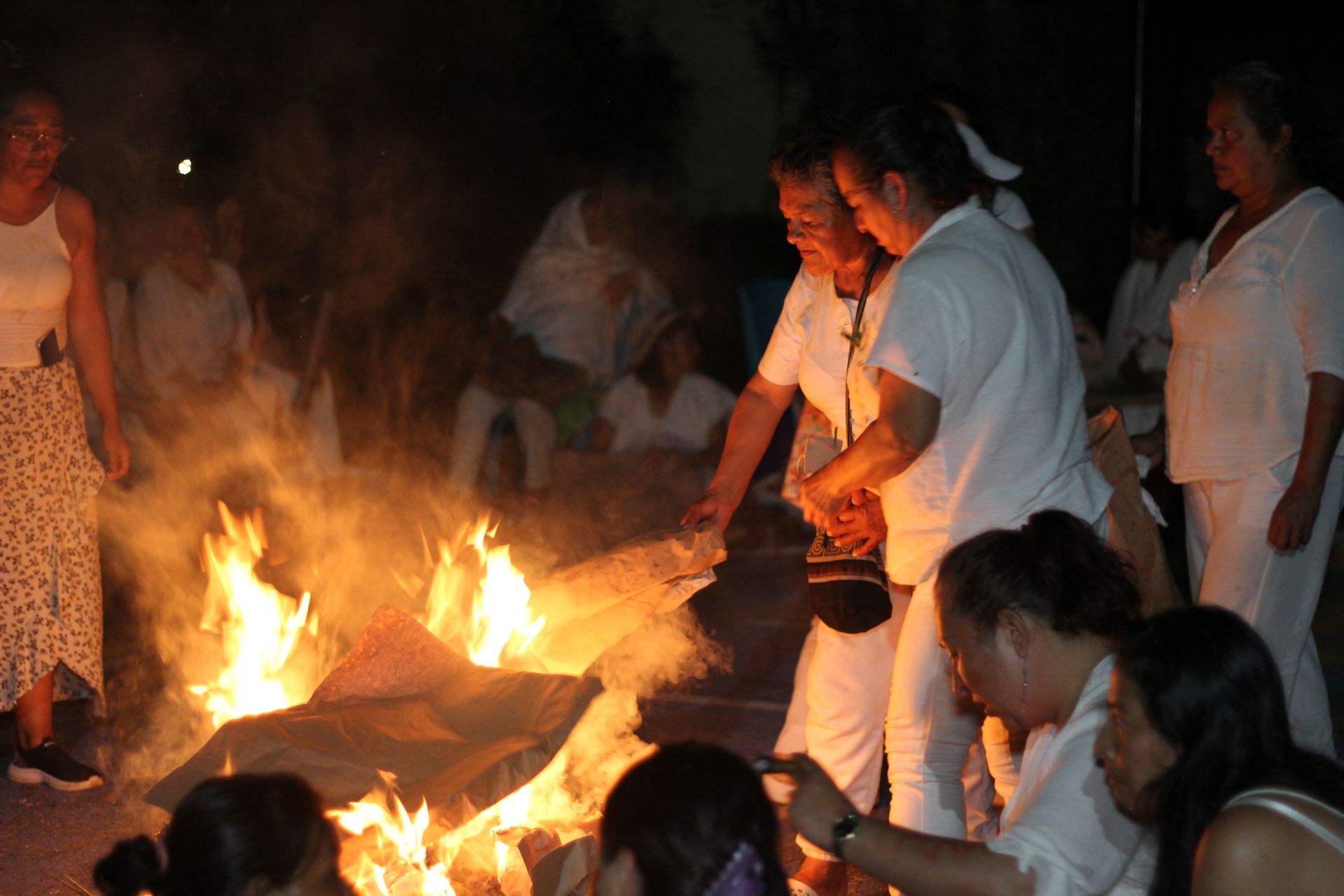
Carmen Elena Neuta, a participant in the project, says: “These gatherings gave us the opportunity to unburden ourselves, to get to know our companions who are living through tremendous grief.” She happily shares that she carried out a purification ritual: she bathed twice in crystal-clear waters, and was able to forgive others and forgive herself.
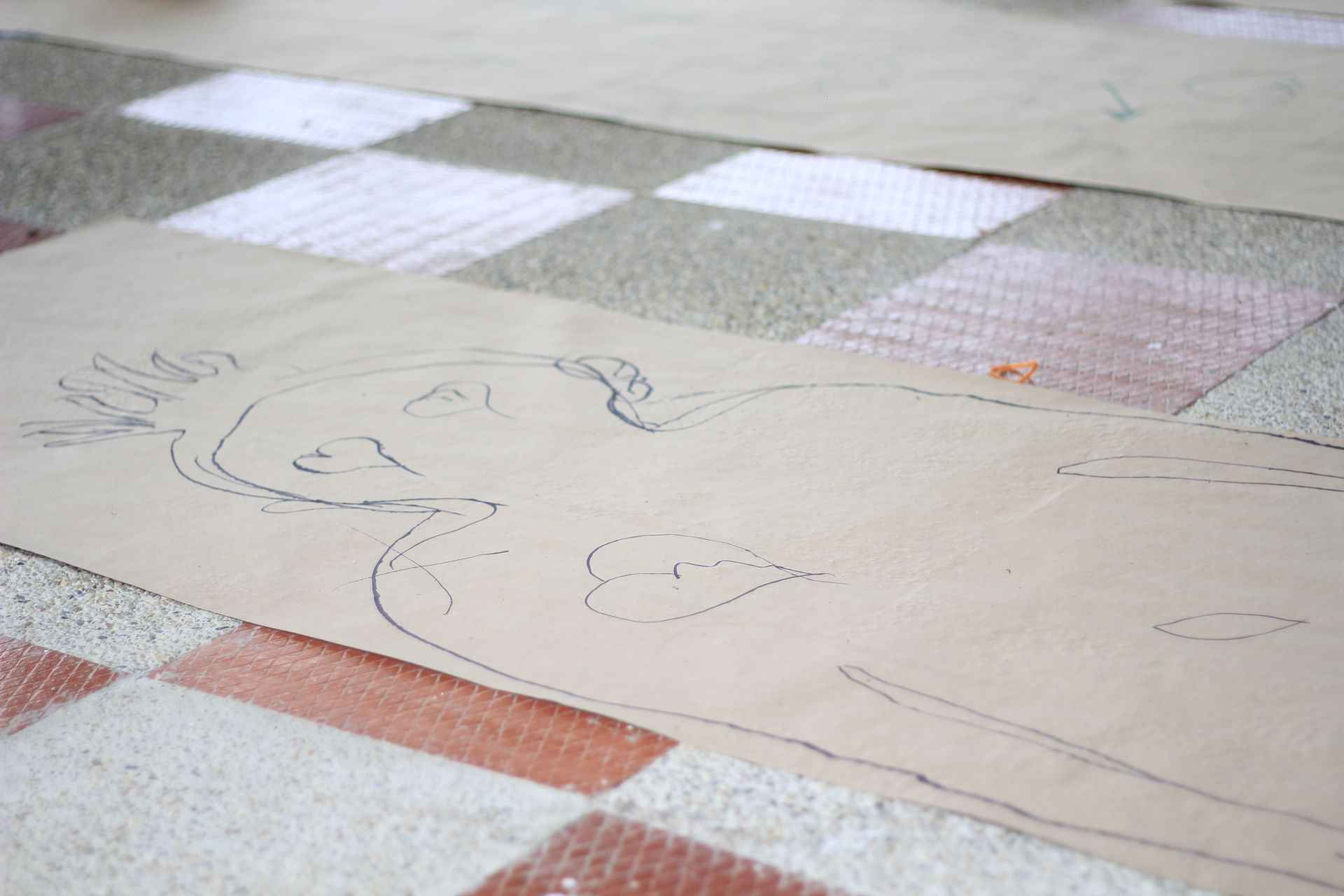
Olga Pinto feels liberated: “I learned to let go of hatred, to think about myself, to understand that at home one thinks about one’s husband, one’s children, but never about oneself, and these workshops have taught us that, to recognize ourselves.” She wrote a letter to herself in which she discovered her strengths and capacities as an Indigenous Woman.
The consolidation of the Women’s Council
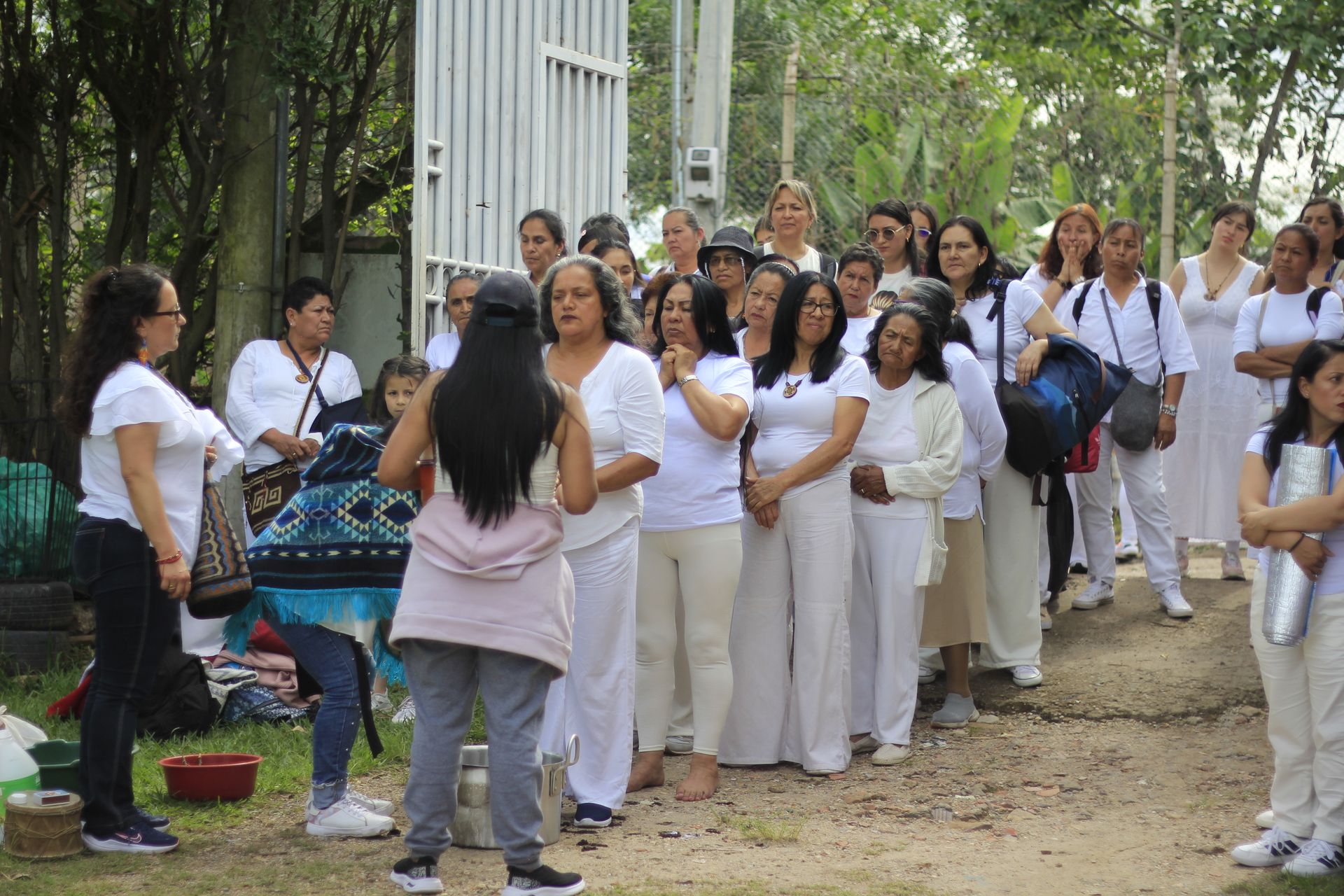
“With these gatherings, we identified ourselves as large families; we realized how big city dynamics had separated us; meeting one another allowed us to heal, the women spoke with others from other clans, and from this we were able to strengthen the Women’s Council; we women leaders managed to come to an agreement,” claimed Diana Cobos The collective impact of FIMI’s support moved from a space of holistic healing to a women’s movement that re-signified their role in the world, she explains.
The Muisca Council went from having 20 women who sometimes attended assemblies to make decisions, to consolidating a Women’s Council now made up of 50 women leaders It was both a symbolic and a real awakening, to the point that after the first project began in January 2025, one year later they are still asking for that space to share again.