In the Face of Violence, Indigenous Women Join Forces to Plant the Seeds of Justice
México
Red Nacional de Abogadas indígenas
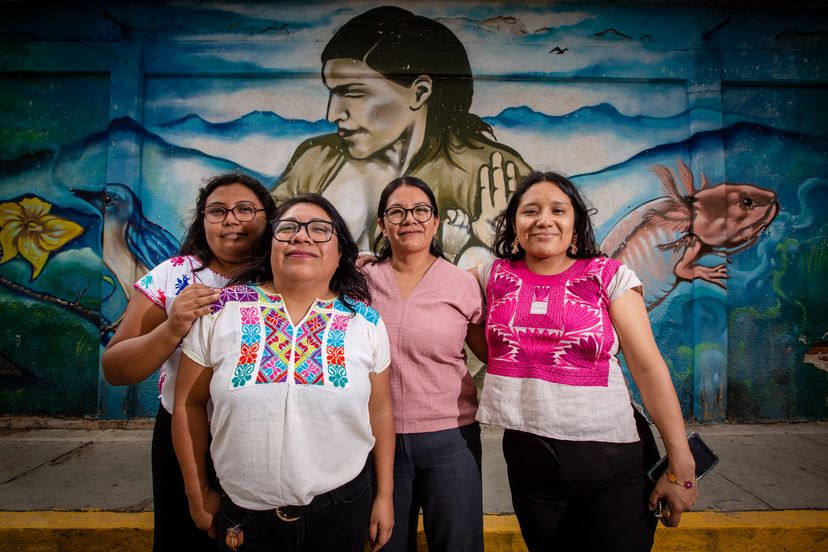
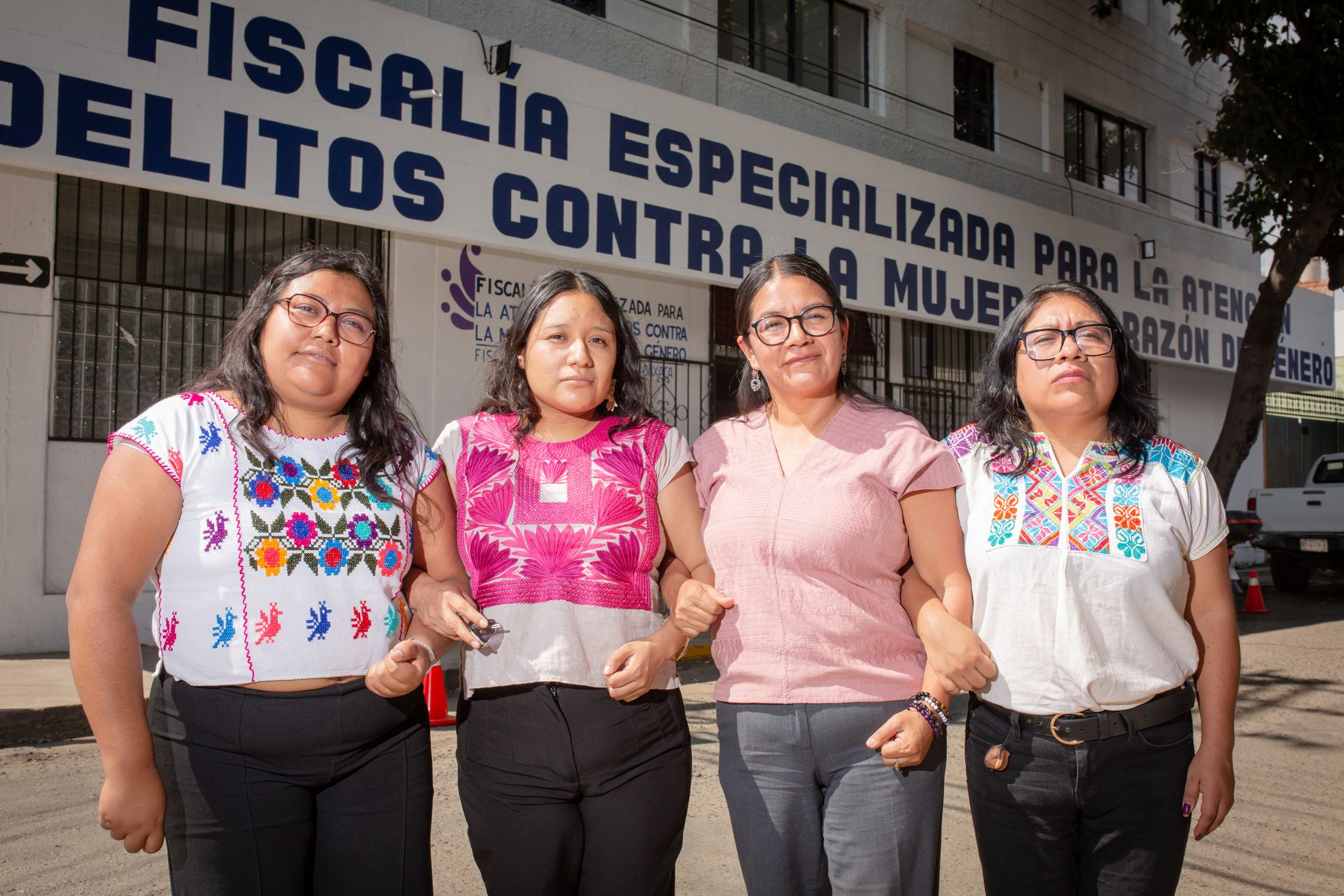
In Mexico, Indigenous Women face numerous obstacles in achieving justice. The National Network of Indigenous Women Lawyers (Red Nacional de Abogadas Indígenas—RAI), present in 12 states, helps transform this reality. Confronting gender violence, dispossession, and institutional racism, the organization provides intercultural legal support, trains Indigenous Women defenders, and strengthens community justice.
Living with Violence and Dispossession
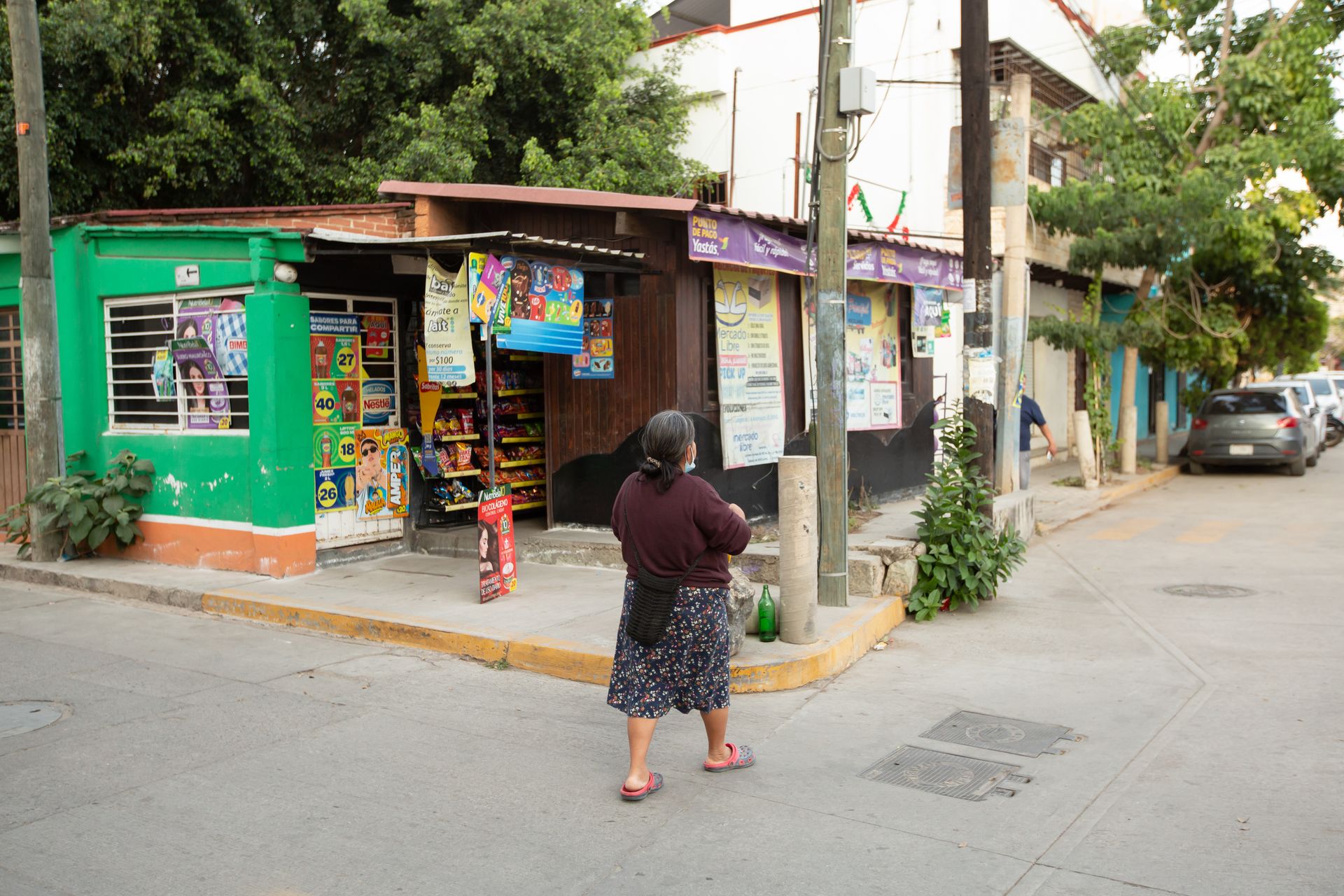
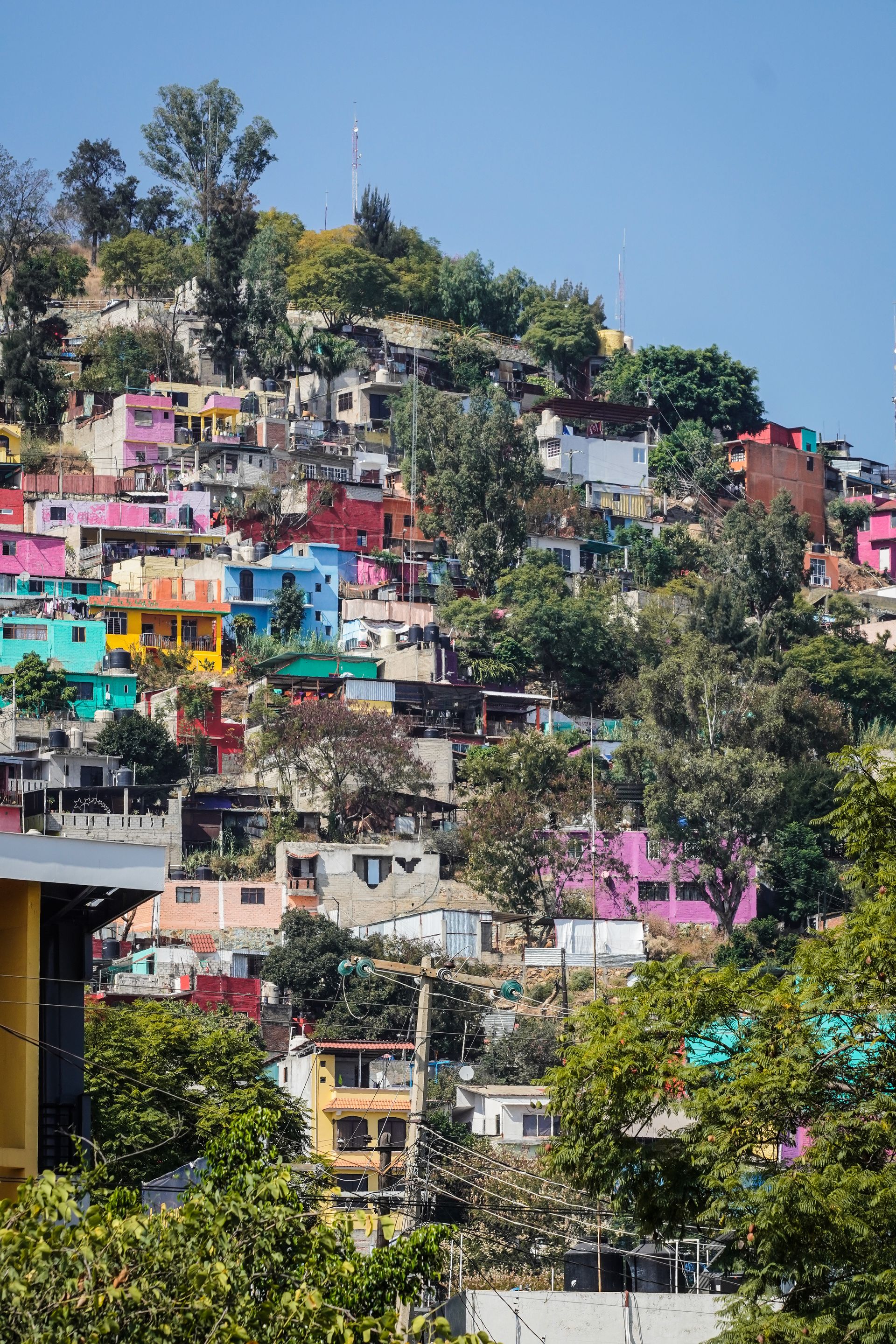
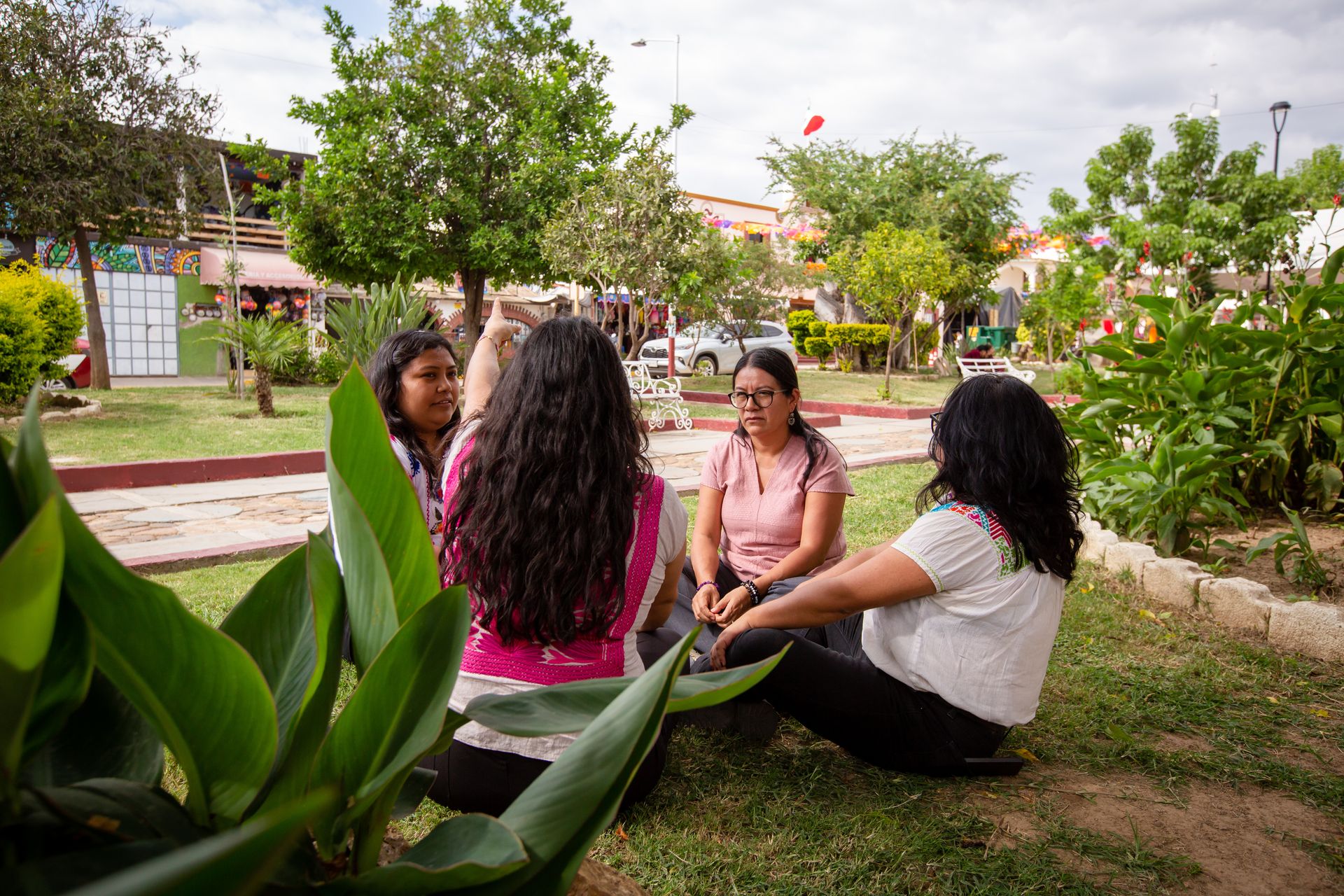
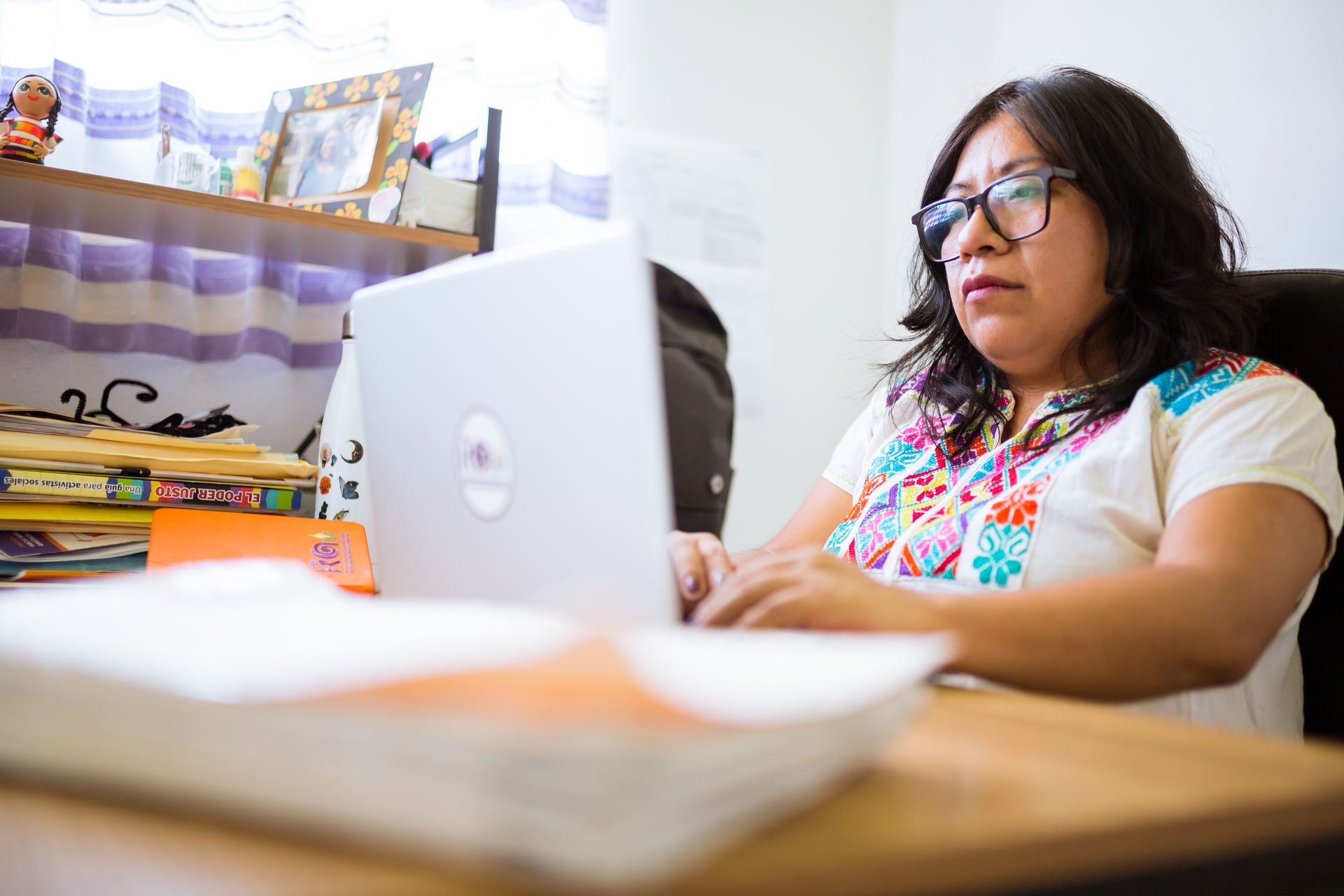
Defying the sun and exhaustion, Zapotec Indigenous Women from the community of Lachixao, Santiago Textitlán in Oaxaca, arrive at a small room with white walls and embroidered curtains, nested in a mountainous enclave filled with multicolored houses. This is where the National Network of Indigenous Women Lawyers ( Red Nacional de Abogadas Indígenas—RAI) operates. The sisters made the 8-hour trip by land from their community to denounce historical violence: the dispossession of their homes and plots of land, in some cases for not having children and in others for being single mothers.
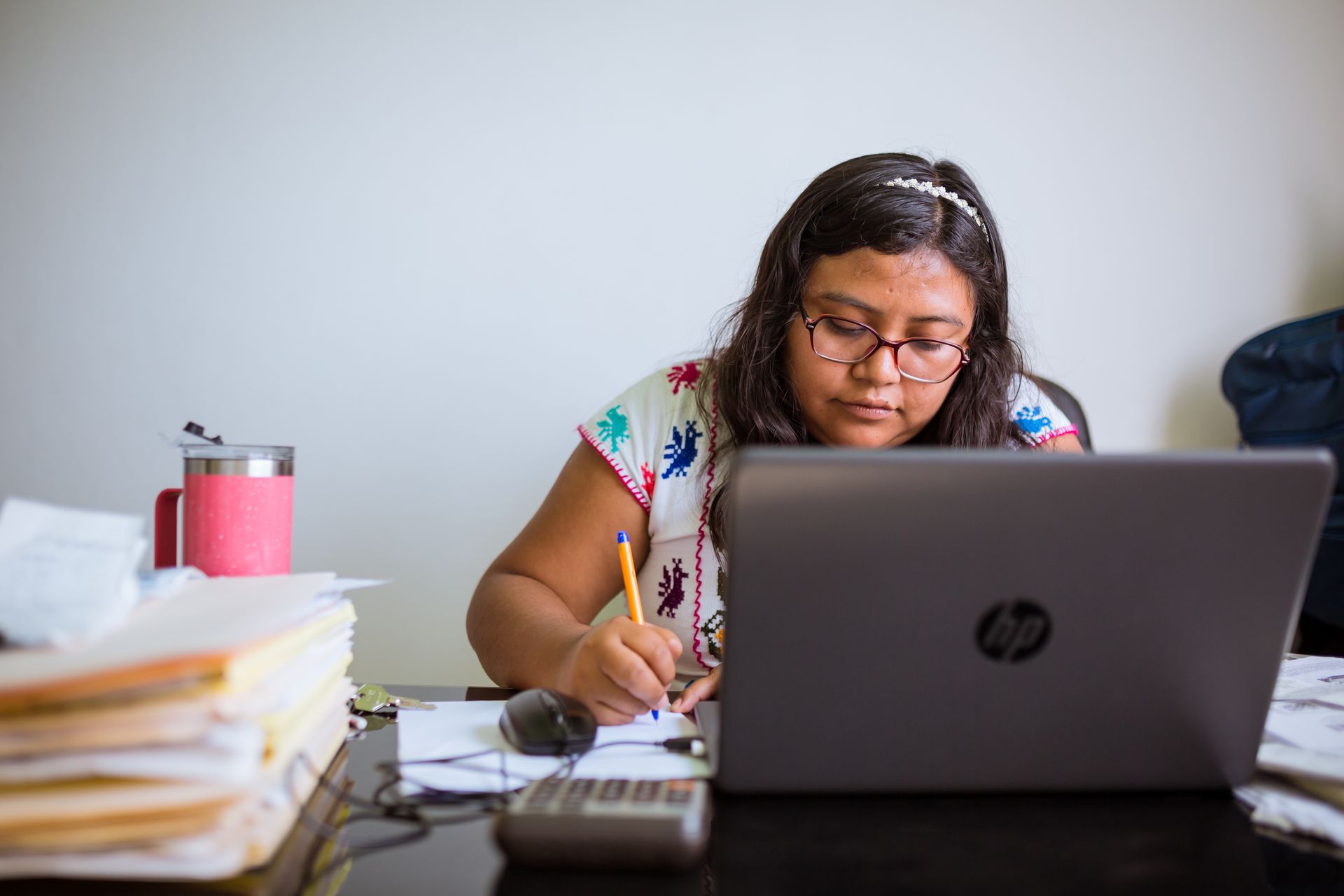
On a long meeting table, legal files are piled in enormous green folders, a reminder that justice for Indigenous Peoples is a pending debt
Like the Zapotec sisters, all Indigenous Women in Mexico face multiple forms of violence: domestic, vicarious, denial of parental and child support, and territorial dispossession. For many of them, reporting has meant facing authorities who do not speak their language, reliving the violence without guarantees of protection, and, in many cases, returning to their communities without an effective response from the State.
Visible and Invisible Barriers
Various barriers hinder (or prevent) Indigenous Women from accessing justice: communities far from judicial centers, institutional racism, lack of interpreters in original languages, lack of knowledge of legal systems, and the absence of defenders with an intercultural approach.
But one of the greatest barriers is generated, in large part, because few Indigenous Women have been able to train as lawyers. Poverty, distance from study centers, caregiving tasks, and the gender gap prevent them from reaching higher education. This barrier translates into the absence, within justice systems, of indigenous voices that understand community realities from the inside.
Weaving Networks
It is with the goal of transforming this situation that the RAI emerged in 2011.It began as a dream in the steep, sandy hills of Oaxaca and is today a national organization present in 12 Mexican states: Baja California, Chihuahua, Mexico City, State of Mexico, Chiapas, Morelos, Guerrero, Jalisco, Michoacán, Oaxaca, Puebla, and Yucatán.
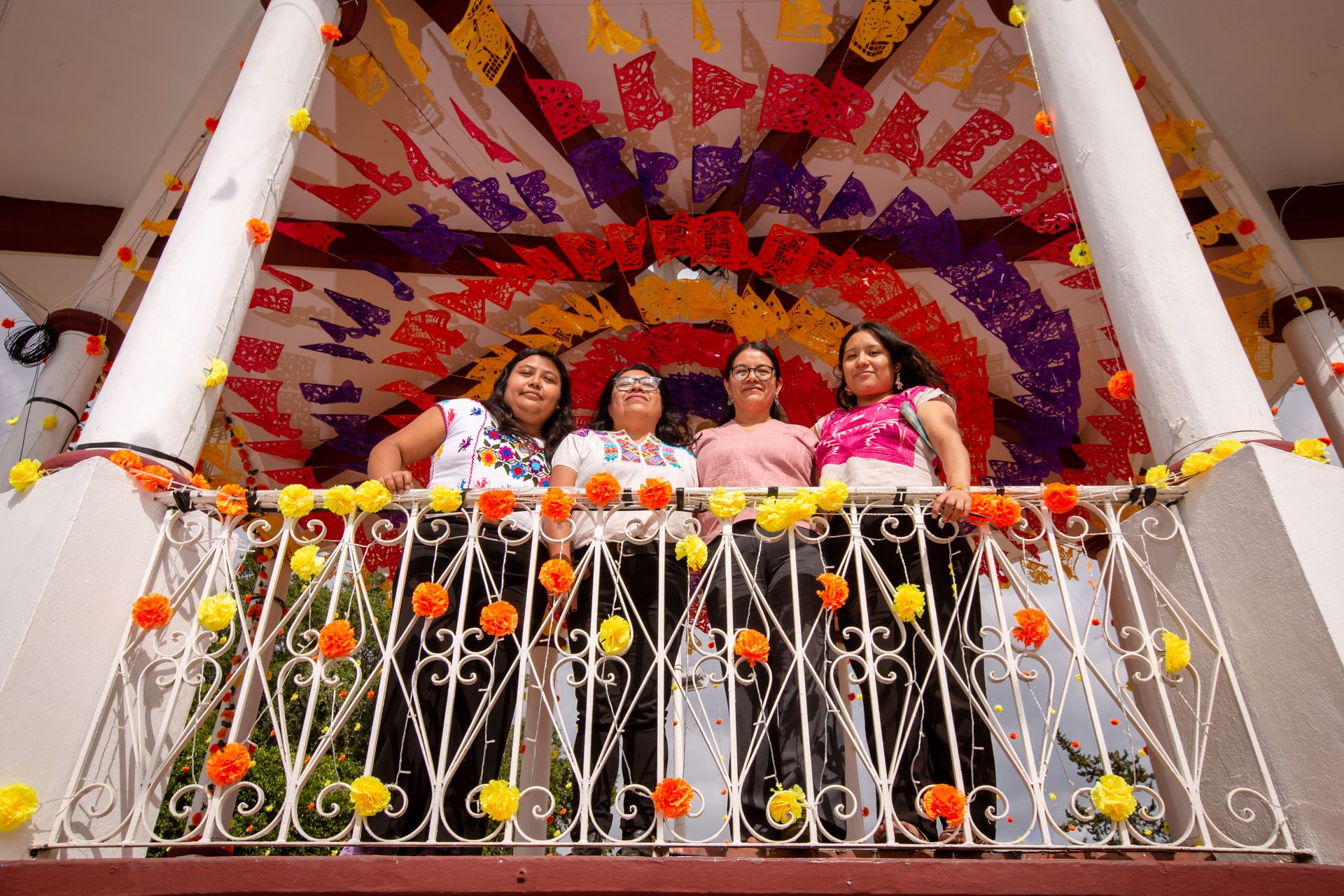
RAI includes lawyers from Indigenous Peoples and territorial defenders from the Wixarika, Purépecha, Ódame, Zapoteca, Triqui, Ayuuk, Náhuatl, Maya, Chinanteco, Zoque, Otomí, and Me´phaa nations These professionals accompany Indigenous Women who are victims of violence and work with community authorities to strengthen an intercultural, accessible justice with a gender perspective.
Their objective is for Indigenous Women to access justice without abandoning their language, territory, or identity, and for community justice delivery systems to have tools to prevent gender violence and protect life.
Recalling the organization's emergence in the municipality of Xoxocotlán, Flora Gutiérrez, a Zapotec indigenous lawyer, feminist, and founder of RAI, comments: “Despite having a declaration of alert (for gender violence), in the professional legal practice, we realized that the State legislation was insufficient to fundamentally resolve the diverse problems of violence that Indigenous Women face in their communities.”
RAI and the Ayni Fund: The Impulse of Reciprocity
The first time the Ayni Fund of the International Indigenous Women’s Forum (FIMI) accompanied RAI was in 2022. The ravages of the COVID-19 pandemic were still felt in Oaxaca. It was very difficult for them to organize, because they were used to hugging, looking into each other's eyes, and being physically present together, embodied.
That year, RAI's grassroots group had planned a training call directed at 10 states, but 25 states ended up responding to the call, along with activists from Guatemala and other Latin American countries.
For three months, more than one hundred Indigenous Women took different courses and workshops, interested in deepening their knowledge of the different types of violence against Indigenous Women, native languages, and access to justice.
This joint work showed that dozens of Indigenous Women needed legal tools to defend themselves and others, and it confirmed the urgency and relevance of the Network's work. The guide for community authorities began to take shape, which would materialize with a second accompaniment from the Ayni Fund in 2024.
An Indispensable Tool
“Thanks to FIMI and the Ayni Fund, we were able to create the Guide for Community Authorities in the Resolution of Gender Violence Cases, a reference document for authorities who hold a position in the administration of justice within the villages, which would serve us not only to promote women's access to community justice, but also to save lives,” says Flora.
Indeed, the guide allows authorities to recognize violence, act in a timely manner, and articulate community justice with national legal frameworks, saving lives in those contexts where the State does not have a reach.
According to Yuteita Hoyos Ramos, a Mixtec lawyer and general coordinator of RAI, the strength of the document lies in that, with simple words, it provides practical and accessible information and can be used as a “quick reference tool for community authorities who fulfill or perform the role of administering justice within towns or communities with deep social violence.”
Making Defense a Sustainable Resource
In the courtyard of an Oaxaca hotel, the lawyers and community defenders of RAI meet after several months. They are holding a seminar on intercultural and anti-racist justice and discussing the challenges Indigenous Women face in accessing justice.
With the support of FIMI's Ayni Fund, training processes were promoted to reach the most remote areas In this context, María Sánchez, a Zoque indigenous lawyer, became the coordinator of RAI in Chiapas in 2023. There, María accompanies Indigenous Women from her community in facing the racism and classism that still persist, and which for centuries were perpetuated through silencing, beatings, and even imprisonment.
Elizabeth Olvera, a Binnizá lawyer, founder and former coordinator of RAI, originally from the Isthmus of Tehuantepec, was appointed on October 18, 2025, as the Director of Intercultural Justice at the Supreme Court of Justice of the Nation, one of the most important positions within the three branches of the Mexican political system.
Moved by the findings of the collective where she was trained, she confesses: “We have to constantly break the stereotypes of a racial society that builds systematic inequalities instead of capabilities.”
Thinking about the future, she adds: “We want RAI to be an economically sustainable space because most of its members, despite being professionals, live in precarious conditions and do their work with the minimum conditions of dignity and security. The role of FIMI is fundamental in this, because it focuses resources and opens the possibility for Indigenous Women to fulfill their dreams.”
With a bright gaze, she concludes: “With the help of the Ayni Fund, we make our work sustainable, operational, technical, and autonomous.”
Sowing Memory Among the Flowers
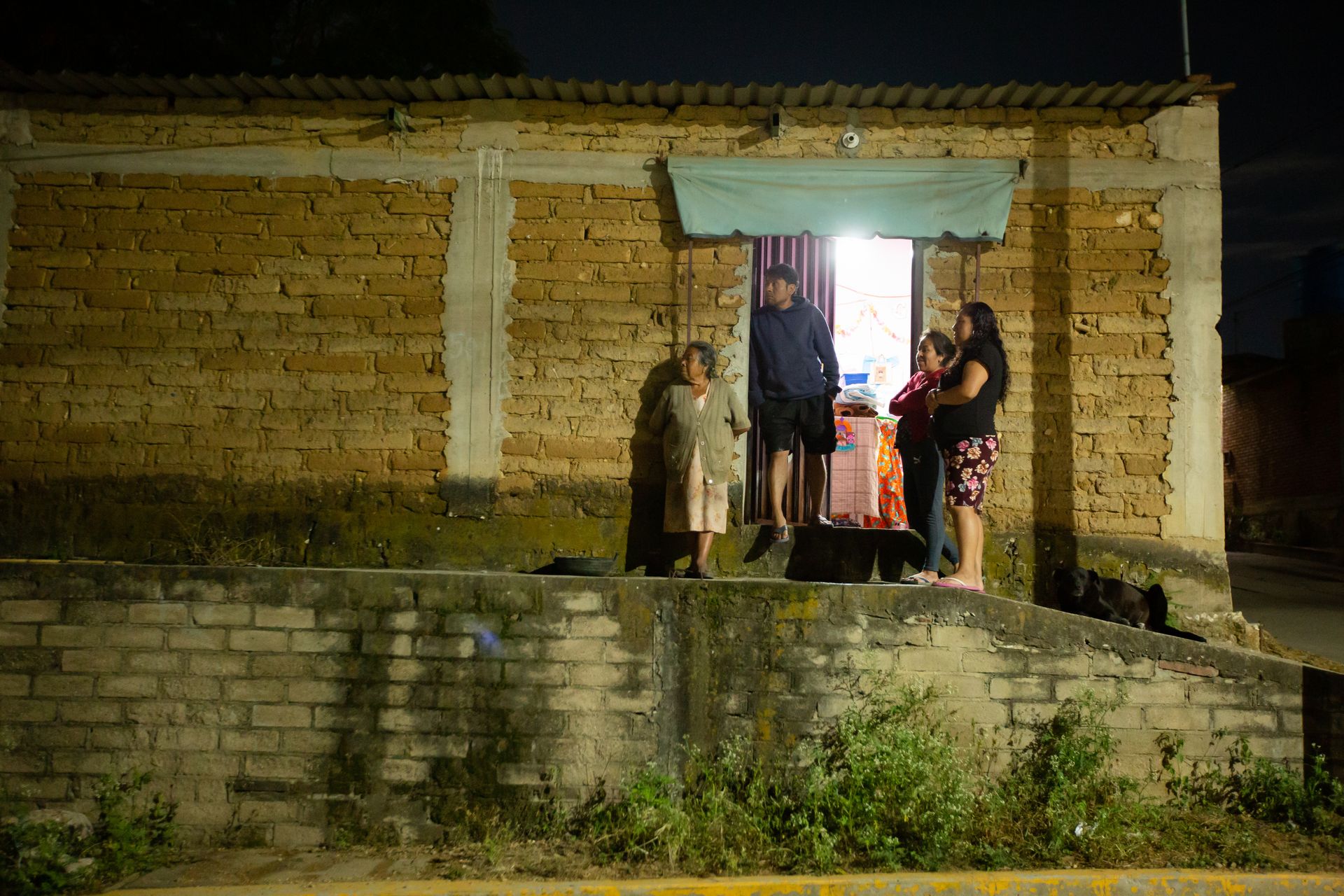
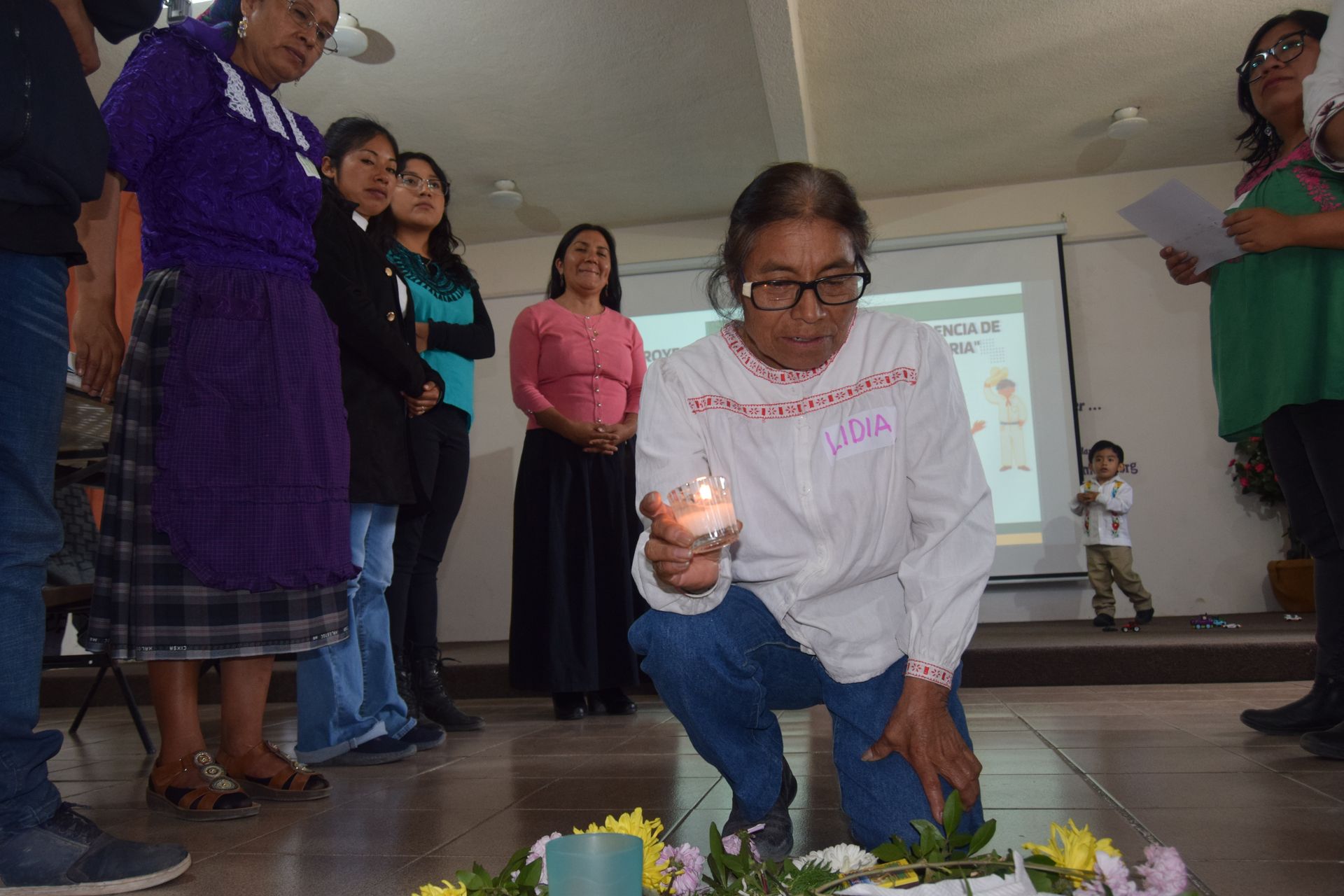
Evening falls in the central valleys of Oaxaca. The women of RAI have learned to sow memory. They hold hands amidst copal, seeds, and flowers to give thanks that together they have been able to serve hundreds of Indigenous Girls and Women victims of gender violence. Additionally, they have been able to accompany and sensitize more than two hundred community authorities throughout Mexico in the administration of justice. In this task, the support of the Ayni Fund was fundamental to build a guide that communicated in accessible, familiar language how to address the multiple forms of violence faced by Indigenous Women.
Today, the Red Nacional de Abogadas Indígenas is not just a space for legal defense; it is a living web of knowledge, languages, and strategies that has managed to turn indignation into collective action and historical violence into processes of community justice.
From the mountains to the courtrooms, RAI has demonstrated that when Indigenous Women organize, justice ceases to be a distant promise and becomes a daily practice that saves lives, transforms authorities, and reconfigures power in the territories. Each case accompanied, each authority trained, and each alliance built confirms that defense is not practiced in solitude, but collectively.
In a country marked by deep inequalities, RAI sows a powerful certainty: when Indigenous Women take the word and the law into their own hands, the mountain not only raises its voice but also changes the course of history.