A spiral of violence and denial
No Longer Invisible:
The Resilient Elder Women of Panchimalco
El Salvador
Red Nacional de Mujeres Indígenas de El Salvador

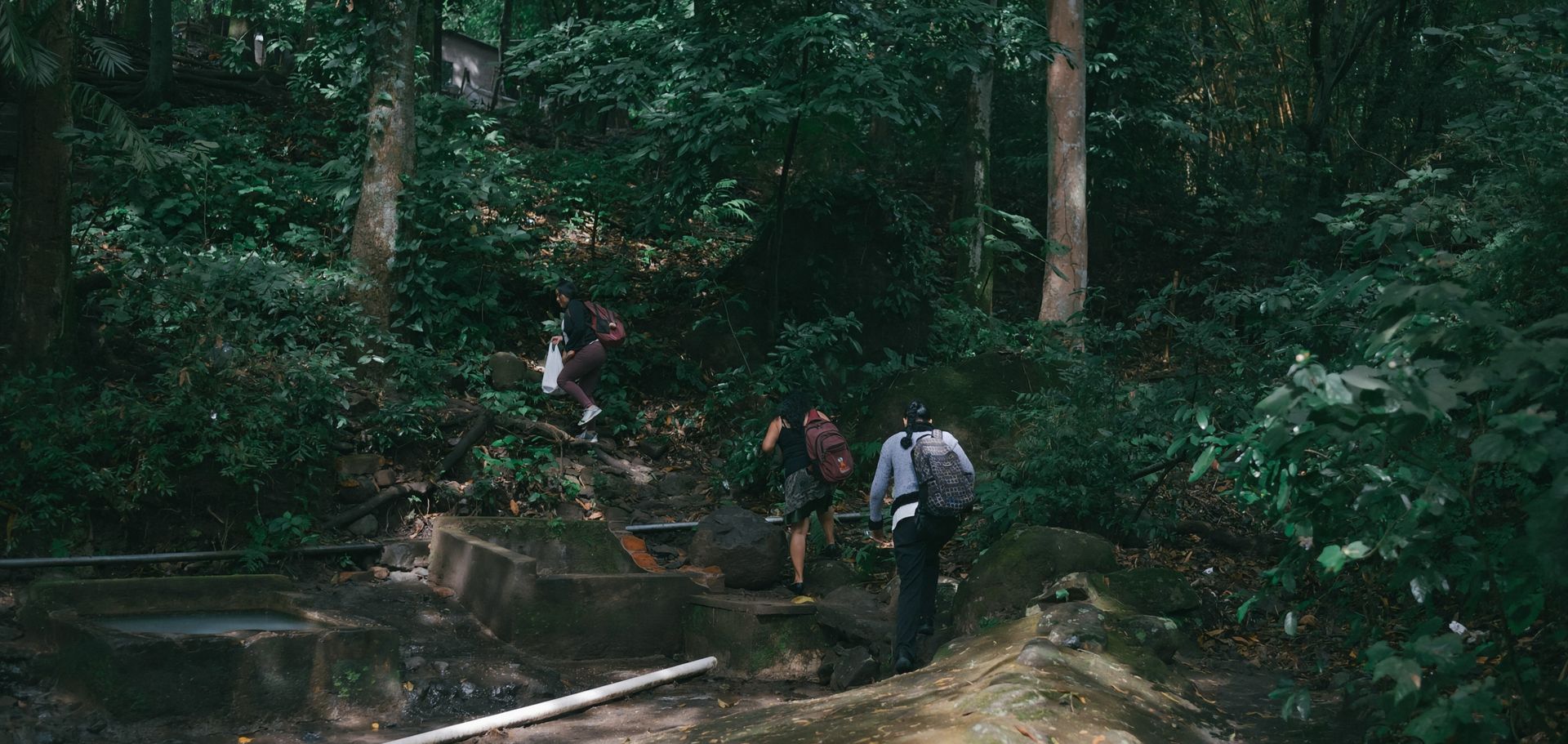
Indigenous Women in El Salvador face a wide range of violences: racial violence, gender-based violence, territorial and cultural dispossession. To face this situation, the National Network of Indigenous Women of El Salvador (RENAMIES) draws on community life, the wisdom of elder women, and key tools such as CEDAW’s GR39. In this way, since 2017, it has defended the rights of Nahua-Pipil, Lenca, and Kakawira women.
A spiral of violence and denial
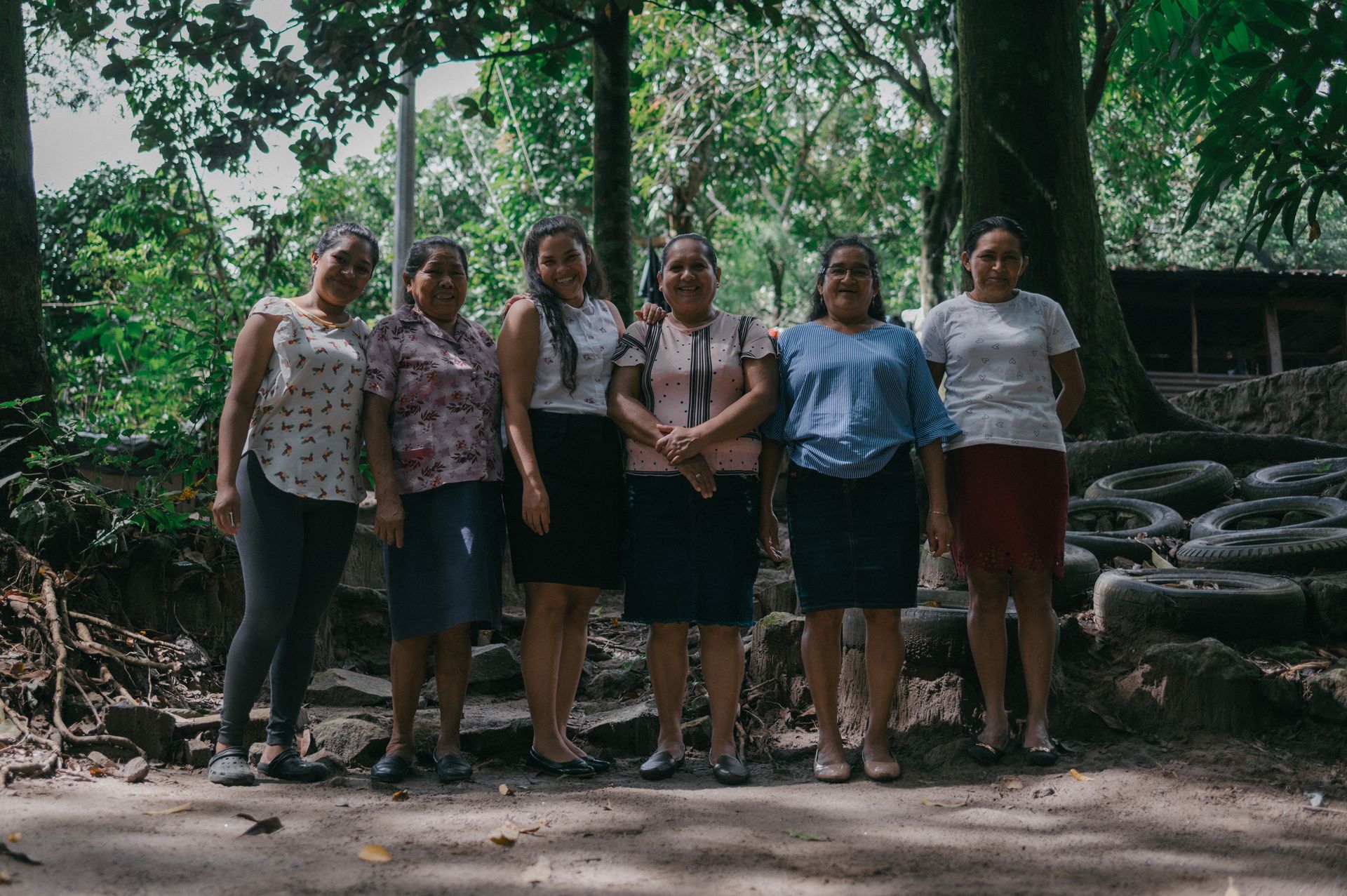
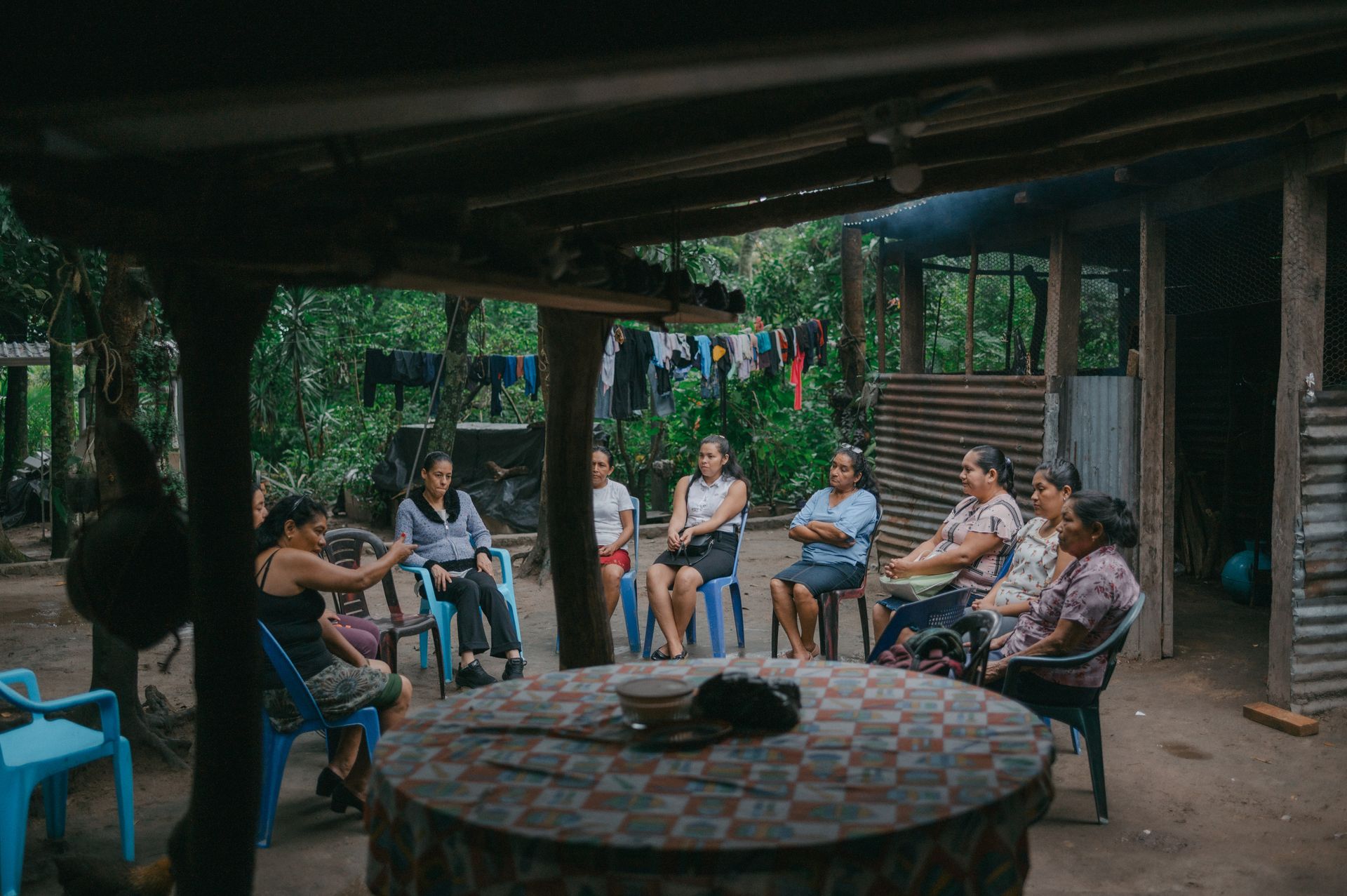
A circle of Nahua-Pipil, Lenca, and Kakawira Women are eating together as a community; the afternoon light illuminating their faces. They serve large pots of beans and hard-boiled eggs, bowls of fresh cheese they made themselves; they laugh, talk, weave, share. Their voices stretch through wooden corridors, through humble houses sustained by their hands and their murmurs. Until five years ago, many of them did not know that together, Indigenous Women could be so strong. “We know that more than half of the Indigenous Women of El Salvador have been victims of abuse; many did not report it, they kept it to themselves, everything had always happened in silence,” says María Omelina Méndez, a 64-year-old Nahua leader from Sonsonate.
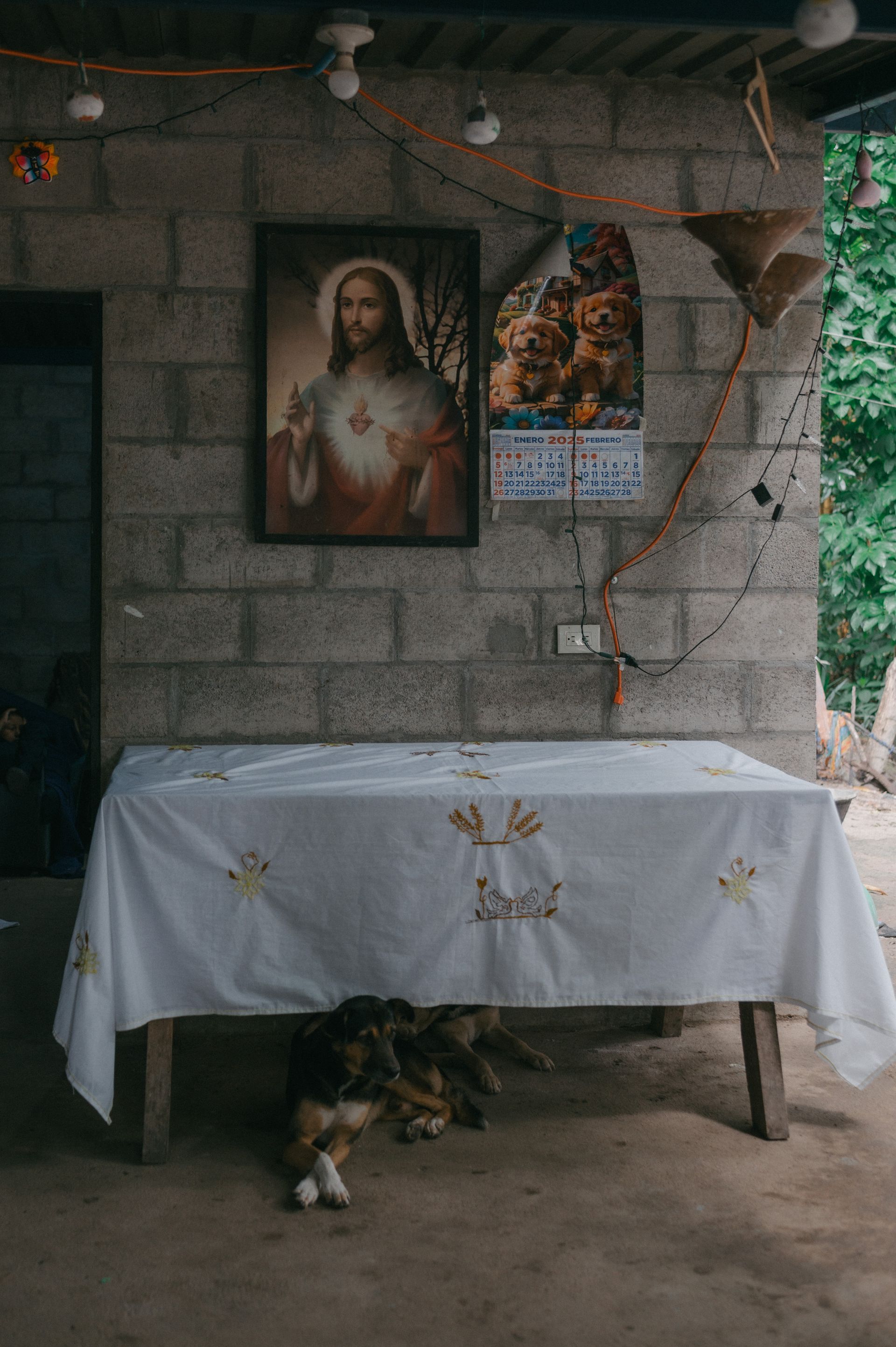
During the internal wars, the Indigenous Peoples of El Salvador were segregated, turned into the ghosts of a population crossed by gang violence and recurring disappearances. In that context, women also experienced multiple abuses and, in order to survive, were forced into silence.
Indigenous Women in El Salvador, María Omelina explains, have faced intersectional violences worsened by both their ethnic group and their gender, including domestic, psychological, and economic violence, sexual violence and femicides, racial discrimination, and structural violence. Considered second-class citizens, they have been denied land tenure, the right to preserve their mother tongue, and even their identity
The many forms of violence and stigmatization experienced over decades have led to a situation in which, in San Salvador, the capital of the Central American country, out of a population of more than 6 million, only 68,000 self-identify as Indigenous.
In Panchimalco, a rural municipality nestled in the hills, with rock streets and damp earth, 15 kilometers from San Salvador, dispossession and mistreatment toward Indigenous Peoples, particularly Indigenous Women, came to be normalized. Fear, silence, and fragmentation became everyday currency.
No longer invisible
With the aim of confronting structural violence and discrimination, a collective emerged in 2017: the National Network of Indigenous Women of El Salvador (RENAMIES). “To confront so many years of invisibility, we were accompanied by the project Prevention of Gender-Based Violence against Indigenous Women from Cultural Diversity, supported by the Ayni Fund of the International Indigenous Women’s Forum (FIMI), says Claudia Pérez Valiente, Indigenous Women’s defender and member of the RENAMIES coordinating group.
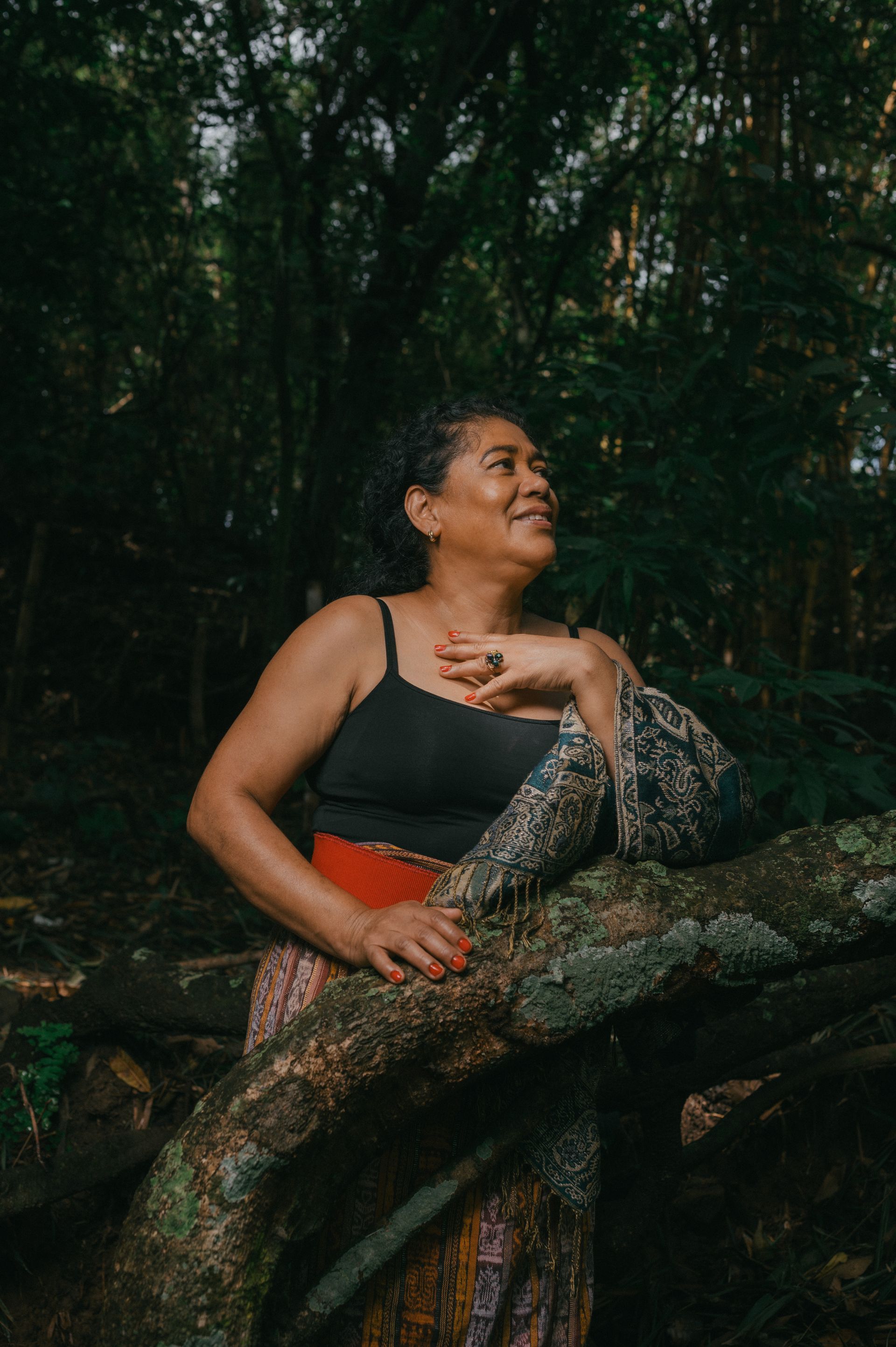
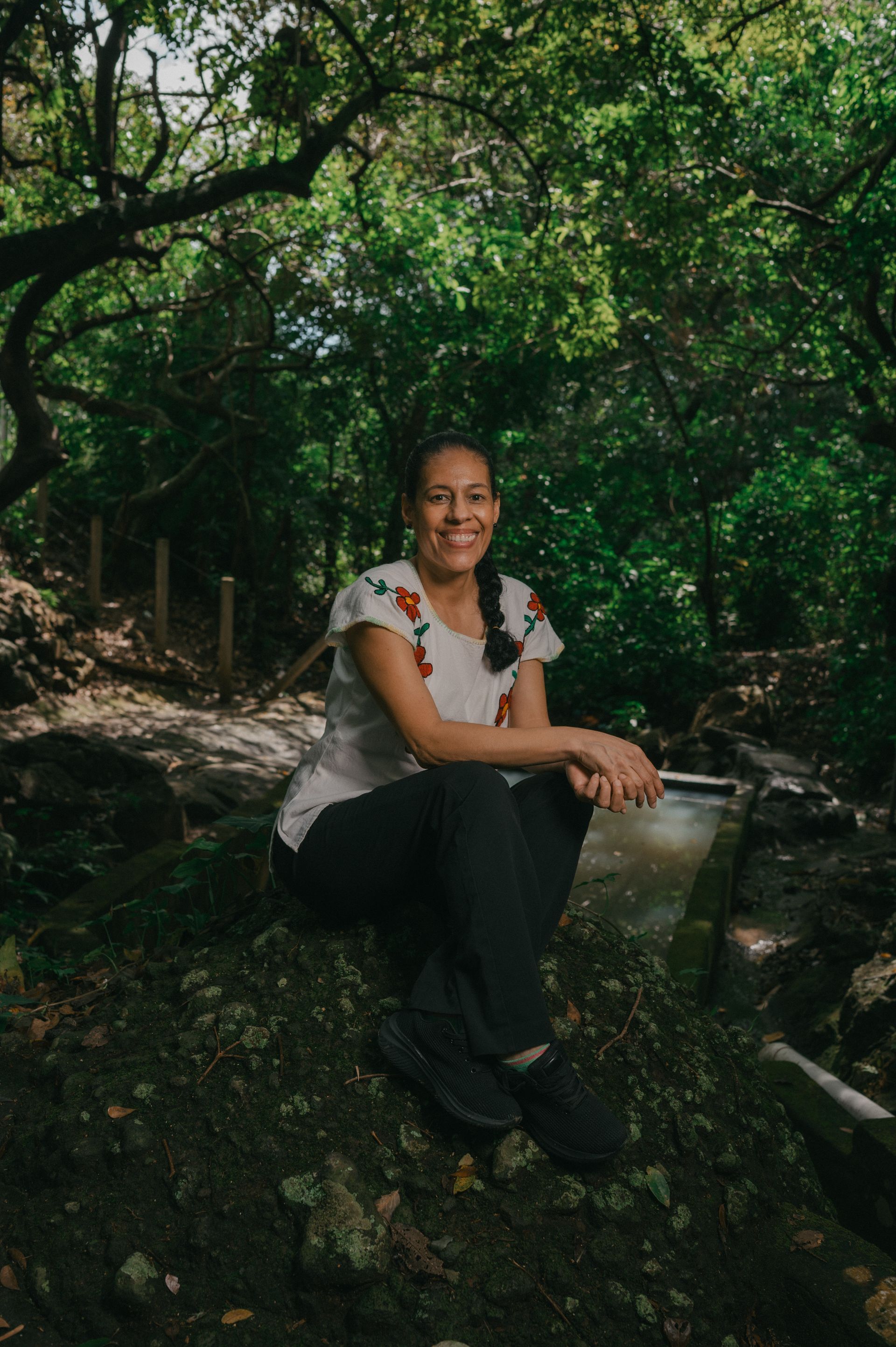
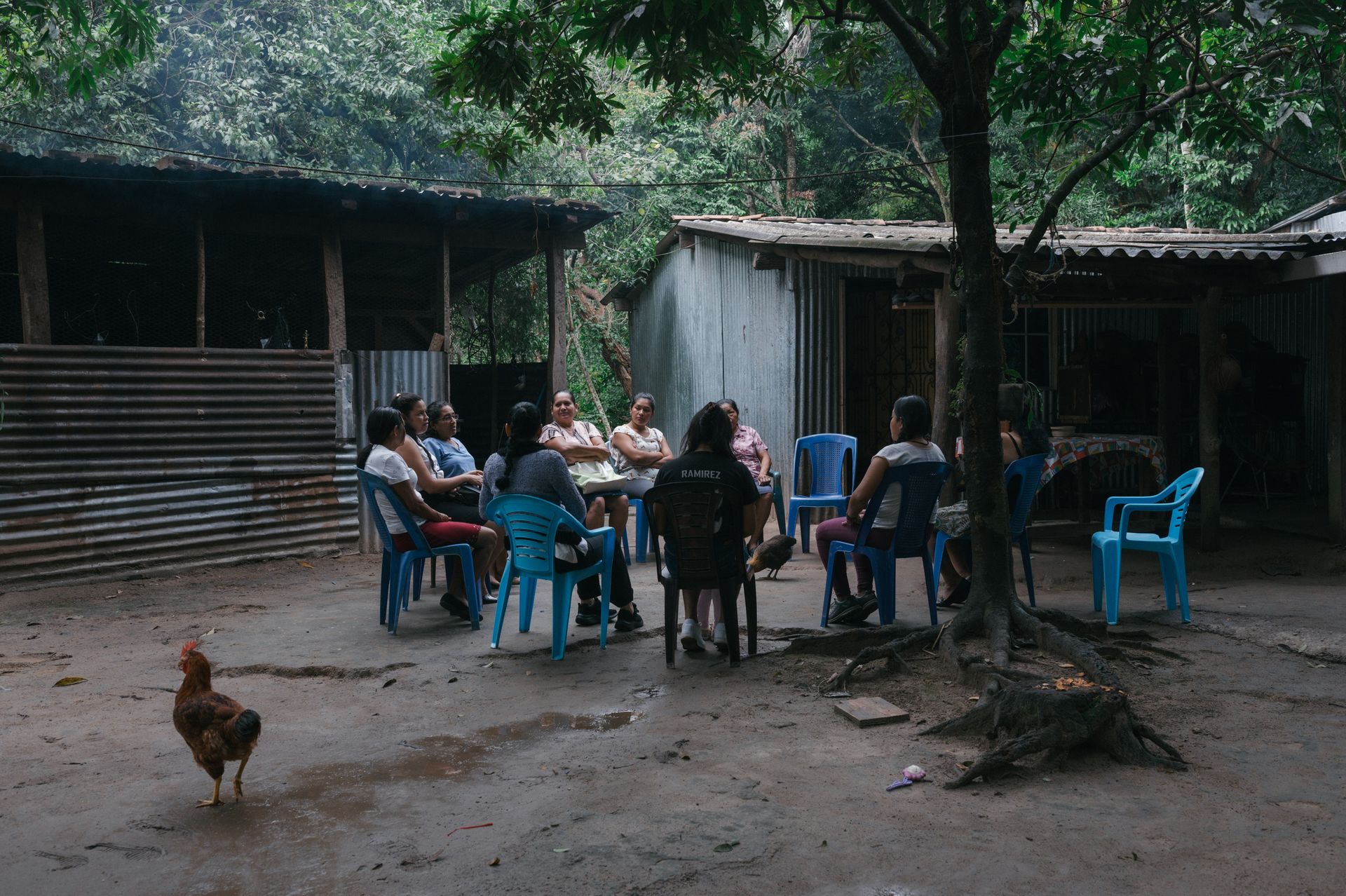
The project was carried out in two stages. “The first was the development of an urgent intergenerational dialogue in the eastern, western, and central regions of the country, with the aim of finding one another and reconnecting,” Claudia continues.
She says that together, they designed an awareness-raising campaign that made visible the forms of violence suffered by Salvadoran women. They implemented national forums with authorities from public institutions across the country, involving girls, youth, and men in conversations about the ancestral strength of Indigenous Women, their rights, and the urgency of freeing their environments from violence. “Each action allowed us to plant the seeds from which new flowers will bloom,” Pérez Valiente concludes.
“We have learned to be resilient in the face of threats. Throughout the entire process we experienced with FIMI, we were able to release what was hurting us; these encounters have healed our minds, our souls, and our bodies,” adds María Omelina Méndez.
Before the gender violence prevention sessions, she says, she was very tense and felt emotionally fragile despite her age and years of experience: “Understanding that it is not normal to feel fear helps me accompany younger women in their struggles against violence.”
Her granddaughter, Keisi Ivetth, is 13 years old and has lost her mother tongue. Few elder women remain who can pass on the traditions. “My girl will be a woman who defends her rights, because even though she no longer speaks her mother tongue, she still recognizes herself as an Indigenous Woman,” María Omelina adds emotionally.
The dream of full and effective participation
In the second stage of the project, they used different tools to raise awareness and confront violence: they created and staged a play, strengthened their productive and financial capacities, and developed art therapy through painting, needles, colored pencils, clay, scissors, and paper within a framework of community coexistence.
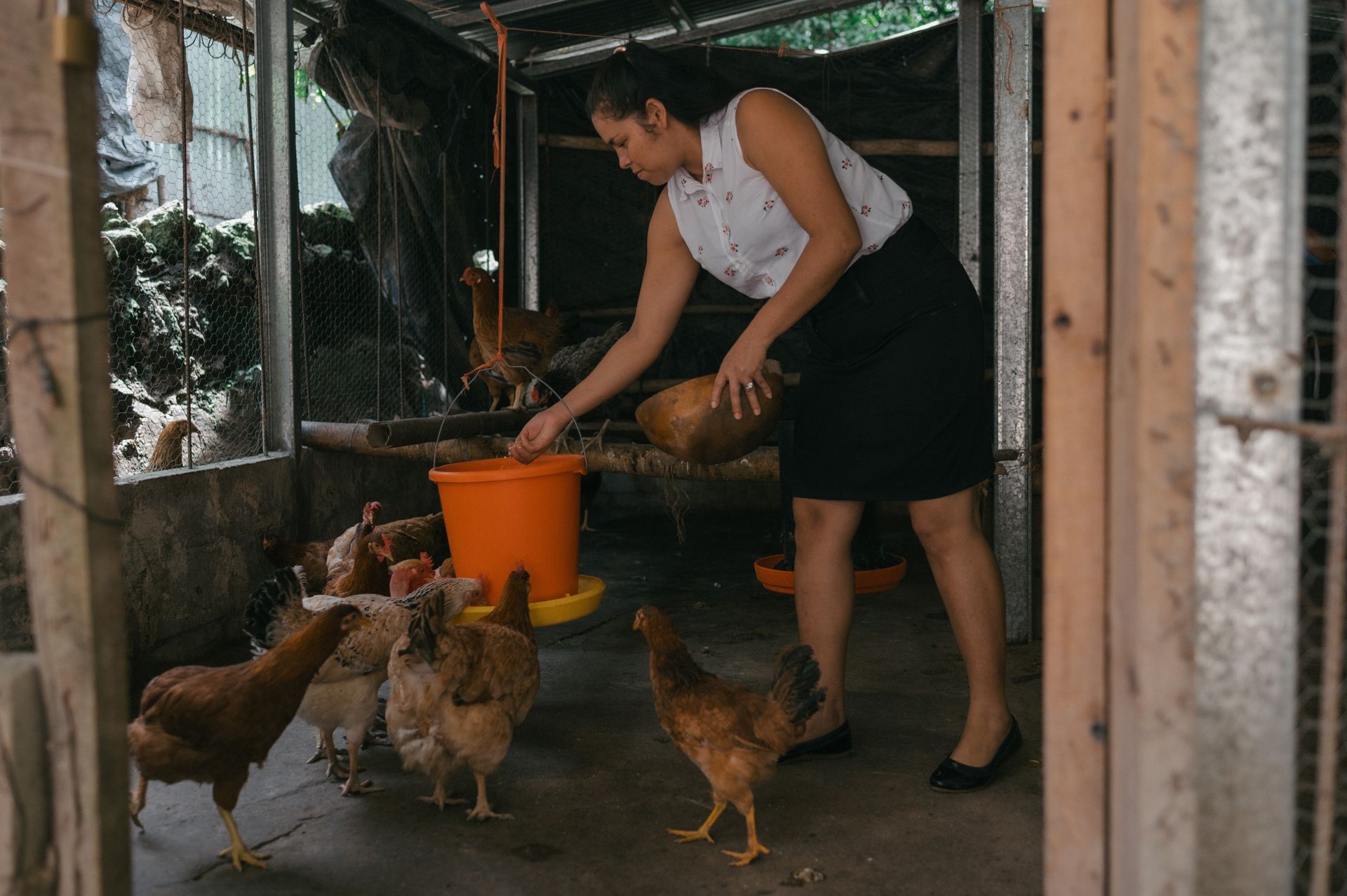
The theater allowed them to raise awareness through play: painting their faces, becoming imaginary characters, staging dialogues like girls in the middle of the forest. The trainings strengthened their economic independence, essential for challenging violence: they built pens for backyard poultry and a community garden, and received financial education.
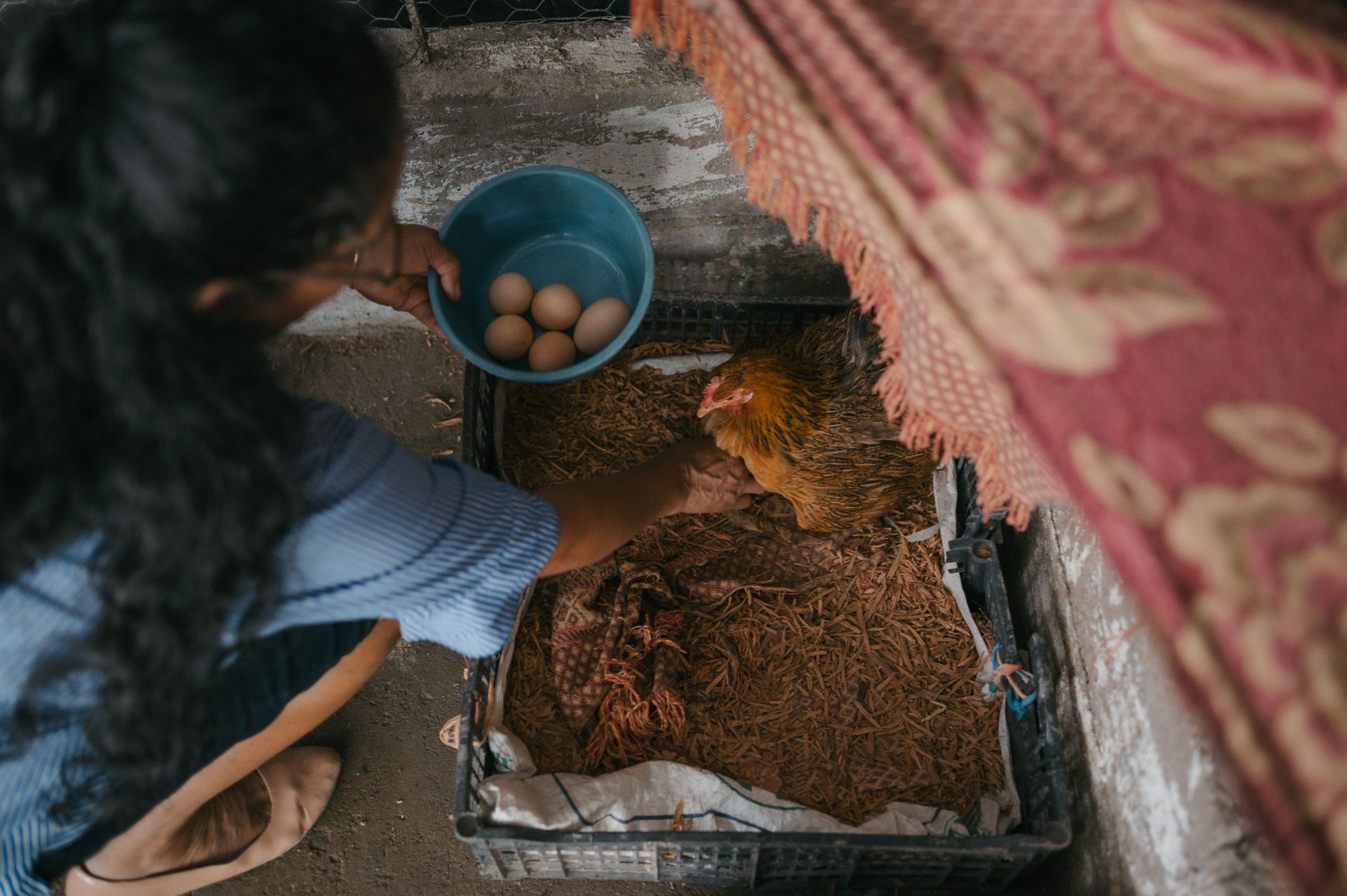
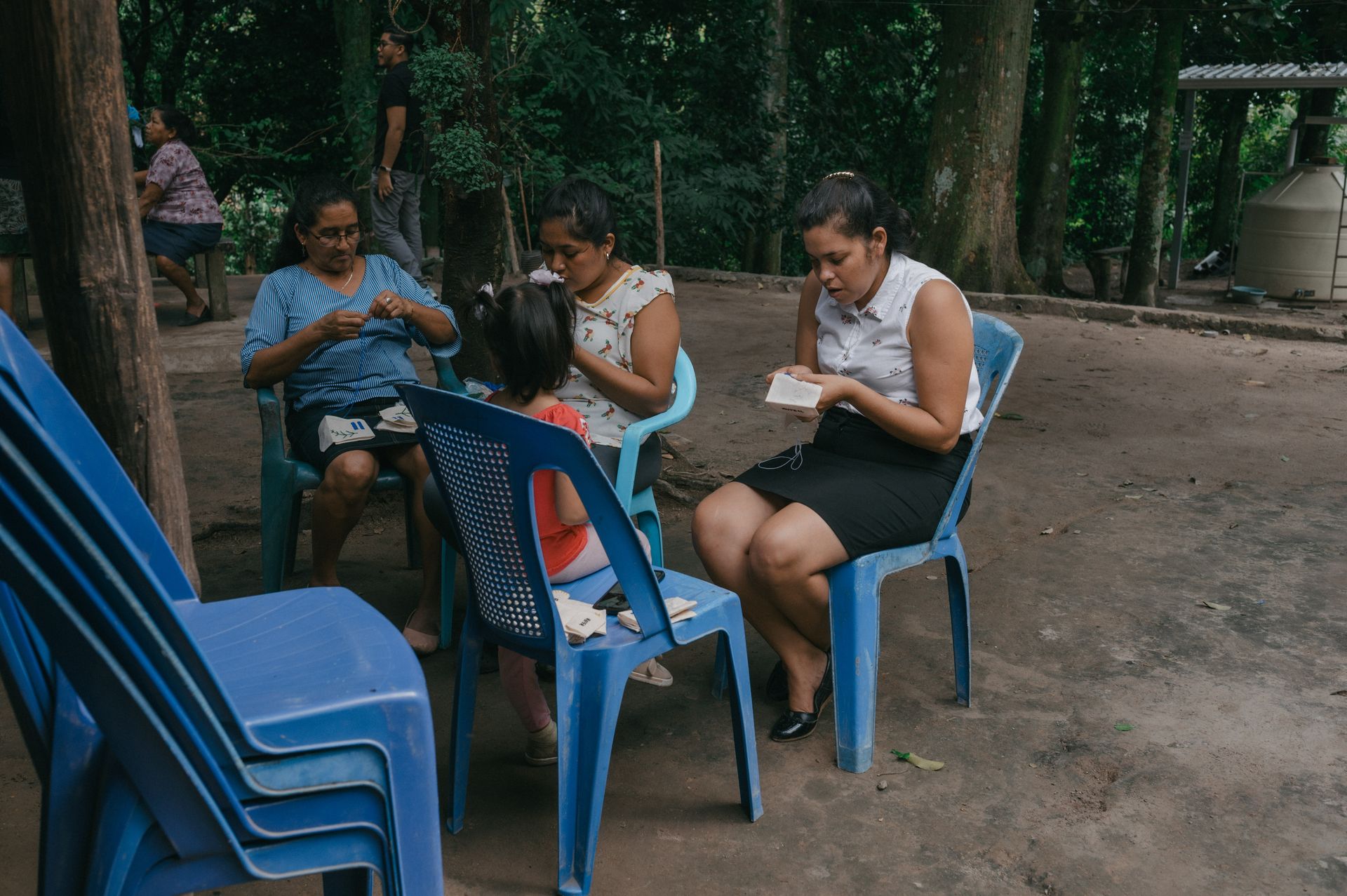
But without a doubt, one of the most important strategies was the distribution of General Recommendation 39 (GR39) of the CEDAW Committee, RENAMIES printed the GR39 report, a crucial UN document that urges States to combat the intersectional discrimination and violence faced by Indigenous Women and Girls. The sisters shared it at all the gatherings, and it was received with amazement and joy by the women.
“The report helped us understand the mechanisms of oppression that exist, but it also allowed us to dialogue in order to strengthen cultural identity, worldview, history, and everything related to community governance,” says Betty Elisa Pérez, coordinator of the network, proud of what they achieved during the training process.
Olga Idalia Mestizo, an Indigenous Woman from Nahuizalco, Sonsonate, and a member of the network, says that “where there are organized women, it is possible to ensure access to justice, health, education, land, and political participation, because our role is vital for culture and the environment.” Surrounded by coffee fields over which the drizzle stretches, she concludes: “That is why we believe it is important for FIMI to continue accompanying us, so that we may achieve full and effective participation in national processes.”
A clear horizon
In the hamlets of Panchimalco, adobe houses can still be seen, barely lit by daylight. Floors left in ruins by the storms of a couple of months ago. Despite this, Salvadoran Indigenous Women gather happily because they brought their forums to Houses of Culture that had previously remained closed. Meanwhile, they talk about child rearing, grandchildren, and explain how many of them grew up in the countryside (amid dispossession and violence) and could not complete their studies. Now, thanks to RENAMIES, they are all aware of the abuses and are determined to improve the situation.
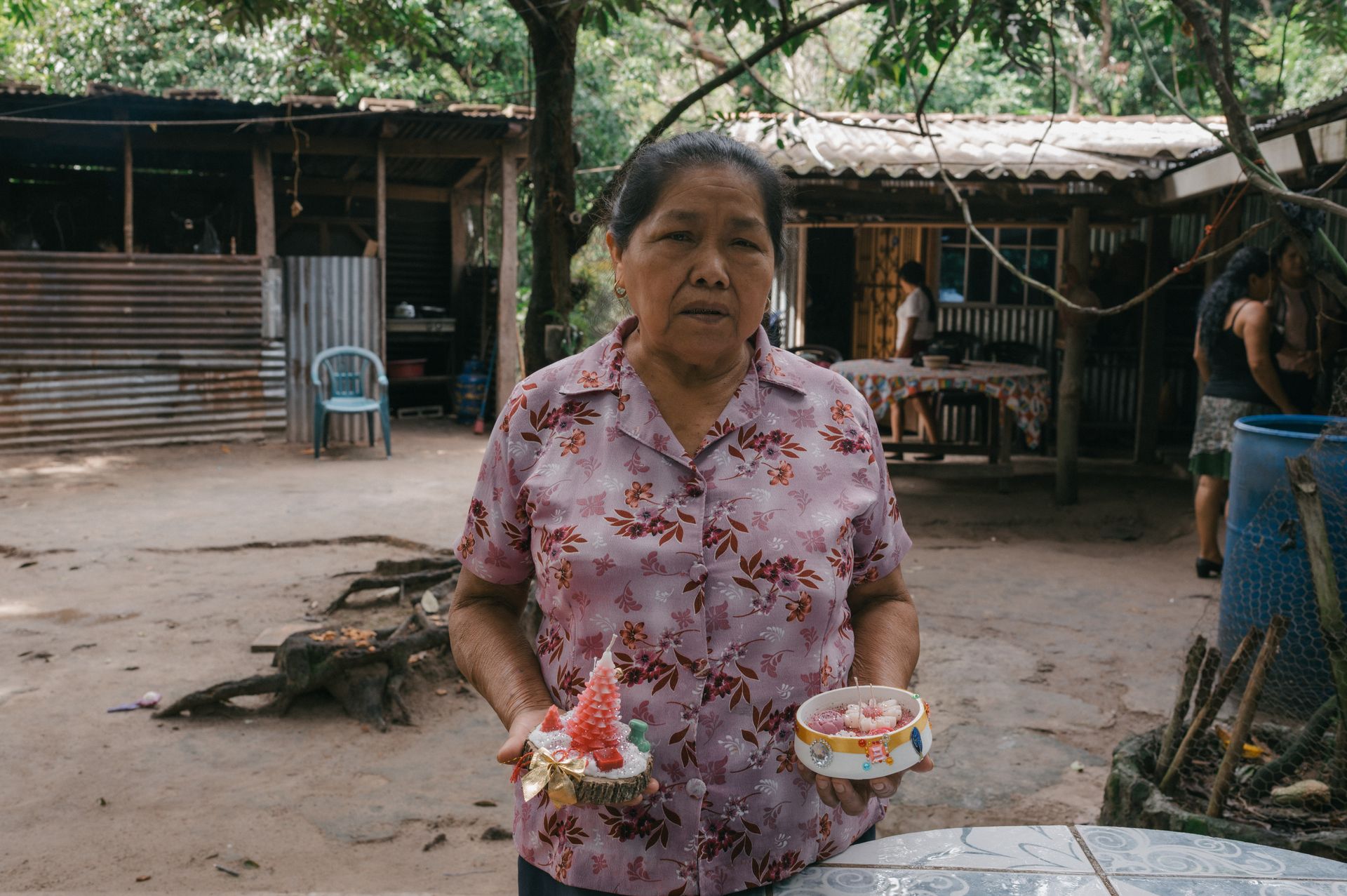
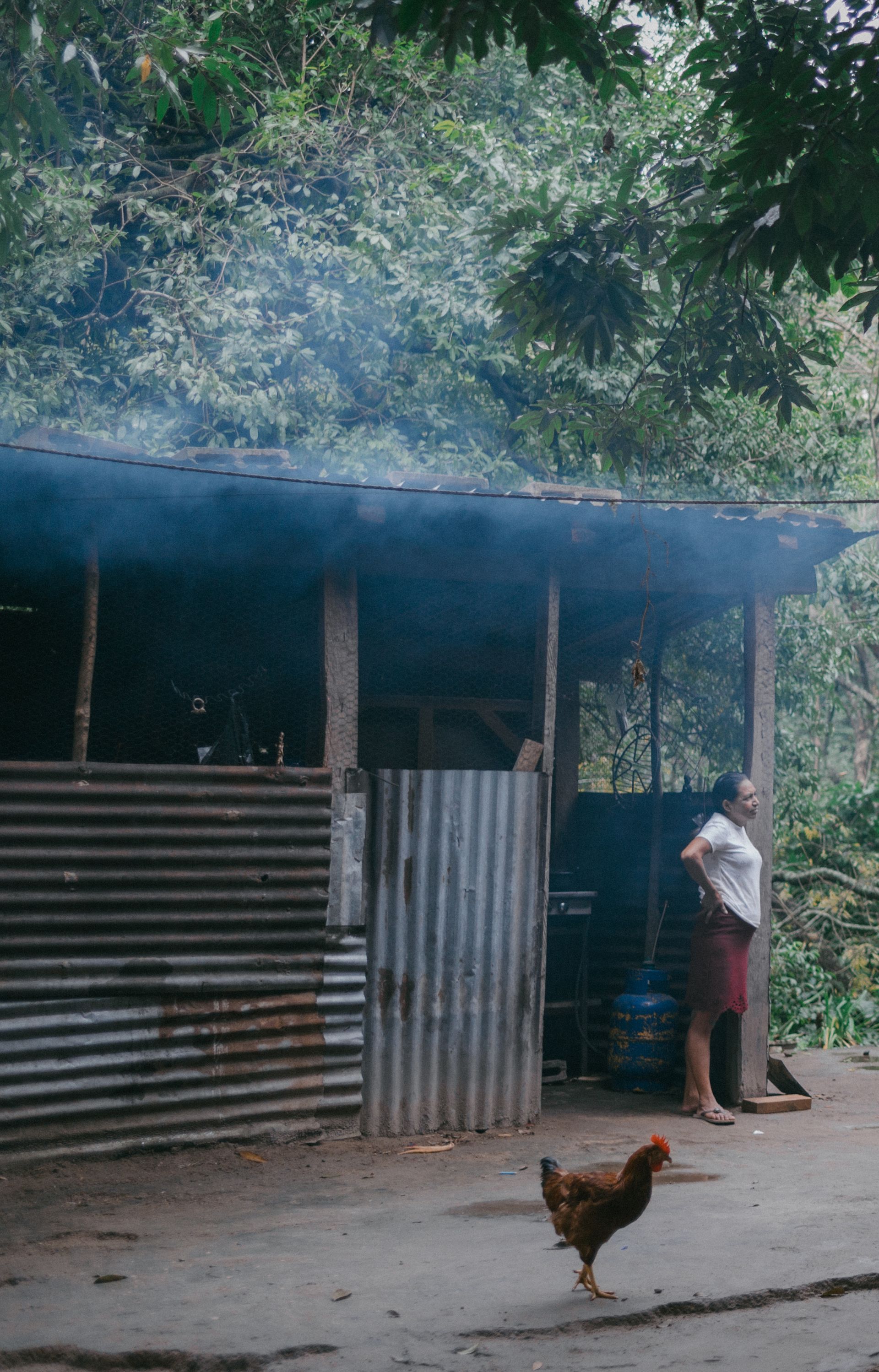
“We know where we come from, we now know where we are going, we are a seed blessed by the earth, by the water and by the wind,” says Omelina, while holding in her small yet wise hands a wreath of flowers of abundance. Tomorrow, very early, almost at dawn, the sisters will go together to make soup and tortillas by the riverbank. They will close their eyes to feel the cold water on old scars, and remember their origins as Nahua-Pipil, Lenca, and Kakawira elder women.